The Christmas 1914 truces that inspired Mark Campbell and Kevin Puts's opera Silent Night, a story of peace and hope amidst war

Imagine yourself as a Scottish soldier along the Western Front in December 1914. This was supposed to be a swift and easy war for Britain. The trenches you helped to dig were only temporary shelters, you’re told, and your army will soon be pushing the “Huns” out of France and Belgium. But it has become clear that allied Franco-British forces are at a stalemate with Germany. By year’s end, you’re worn down by the deplorable conditions of trench warfare.
Suddenly, on Christmas Eve, something unexpected happens: across no man’s land, you spot a little lit Christmas tree at the edge of the German trench. You can hear singing and laughter. One of the Jerries calls out to you, “You no shoot, ve no shoot!” “Aye, Fritz!,” you shout back. This is a welcome opportunity to walk about without worrying whether a German sniper has his rifle set on your skull. Finally, all is calm—that is, until your regimental bagpipers start blaring “Auld Lang Syne.” But it’s preferable to the sound of whizzing bullets. And it reminds you of home.
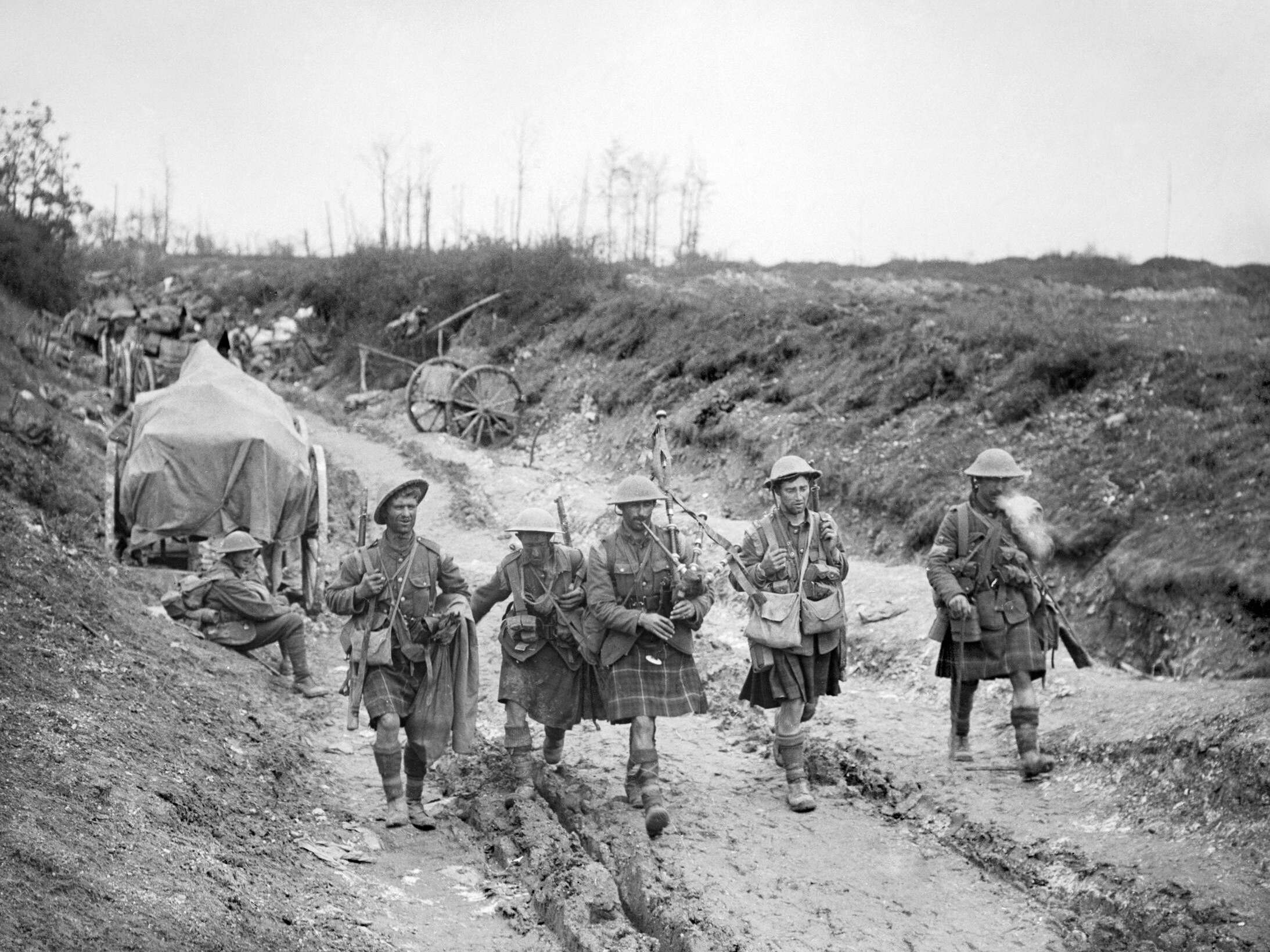
At least 55 British regiments were involved in spontaneous Christmas ceasefires with the Germans. The French, who were defending their native soil, were less inclined to participate. And unlike the events depicted in Kevin Puts and Mark Campbell’s opera Silent Night, there were no points on the Western Front where British, French, and German troops could call a triple truce. But an opera isn’t a History Channel documentary—artists are allowed some poetic license in service of an engaging drama.
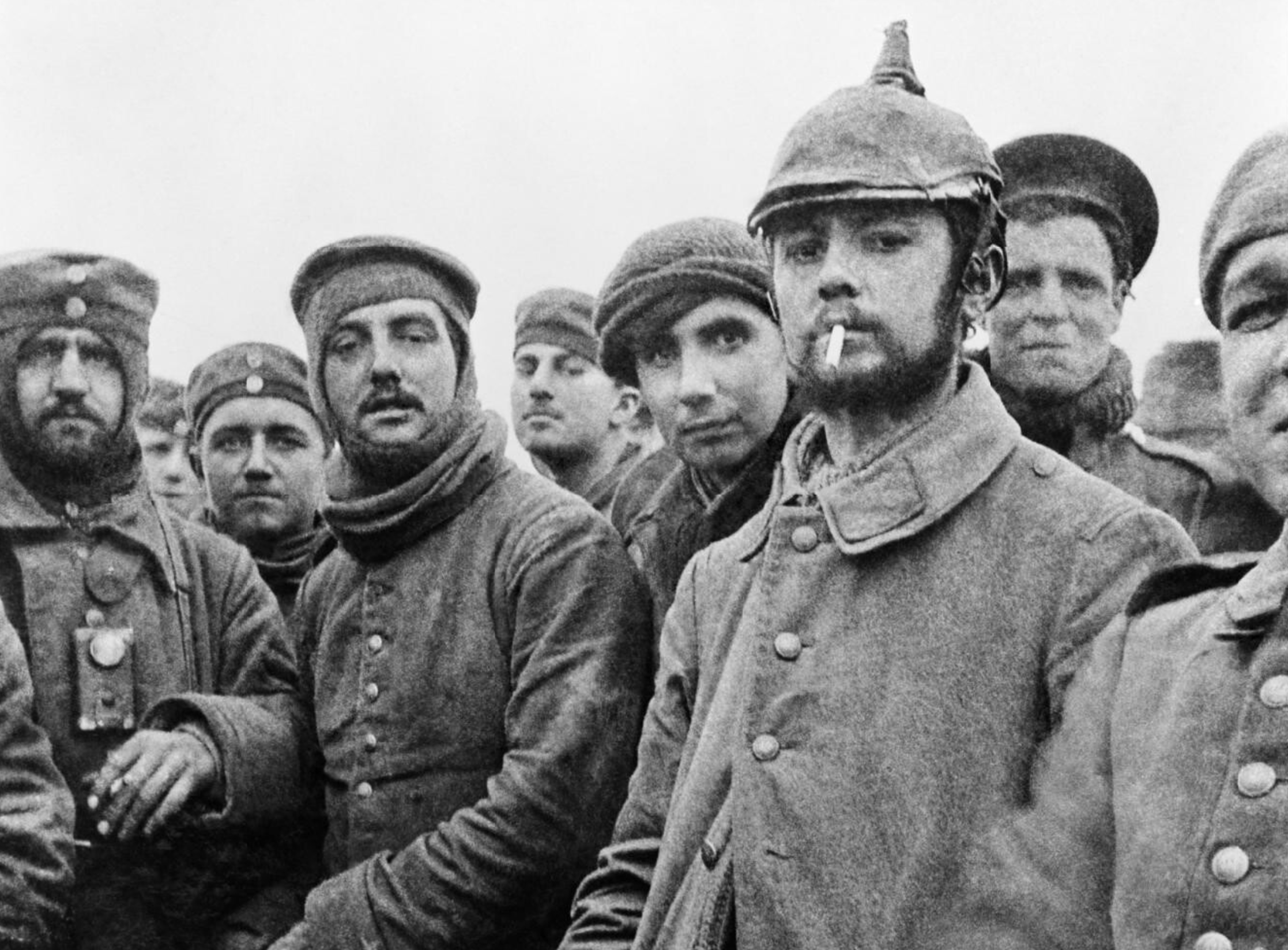
There wasn’t a single Christmas truce—it’s more accurate to speak of the Christmas truces. They ran the gamut from simple “We won’t shoot if you don’t” ceasefires to full-blown enemy fraternization in no man’s land. As shown in Silent Night, during these “mix-and-mingle” truces, German and British soldiers exchanged cigarettes, shared bottles of wine, and commiserated about the war. Many Germans had worked as cabbies or waiters in Britain and spoke excellent English.
But how were such truces even possible? It’s difficult today to imagine Russians and Ukrainians taking a pause from fighting to drink a glass of vodka together. In her book on the truces, The Christmas Truce: Myth, Memory, and the First World War, historian Terri Blom Crocker discusses the unique circumstances that set the stage for Christmas 1914.
One of the primary factors is what Crocker refers to as the soldiers’ “professionalism.” In other words, the army was their career. Most of the Brits and Germans on the Western Front were simply carrying out orders and held no personal animosity toward their enemy.
“They didn’t feel obliged to hate any of the guys on the other side,” says Crocker. “They were in there because somebody said, ‘We’re at war, and it’s therefore your job to fight people.’”
“And of course, there was the issue of familiarity,” adds Crocker, “where people could actually hear the other side talking. They would call back to each other at night. It didn’t mean that they weren’t serious about fighting. But it meant that they did perceive the people on the other side as human.”
This shared humanity was coupled with the shared misery of trench warfare—a grueling new style of combat that soldiers weren’t yet accustomed to. “They’re sitting around, they’re cold, they’re muddy,” says Crocker. As the troops sing about in one of their Silent Night choruses, sleep was a welcome respite from this existence—but a rare one. “You mostly just leaned up against another soldier, wrapped a blanket around you, and hoped for the best,” says Crocker. “There were no beds.”
But more so than the fatigue and anxiety of trench warfare, it was sheer boredom that wore soldiers down. “The main reason I think the Christmas truce turned out to be such a big deal,” contends Crocker, “was that it was such a wonderful break to the routine, and they really welcomed that.”
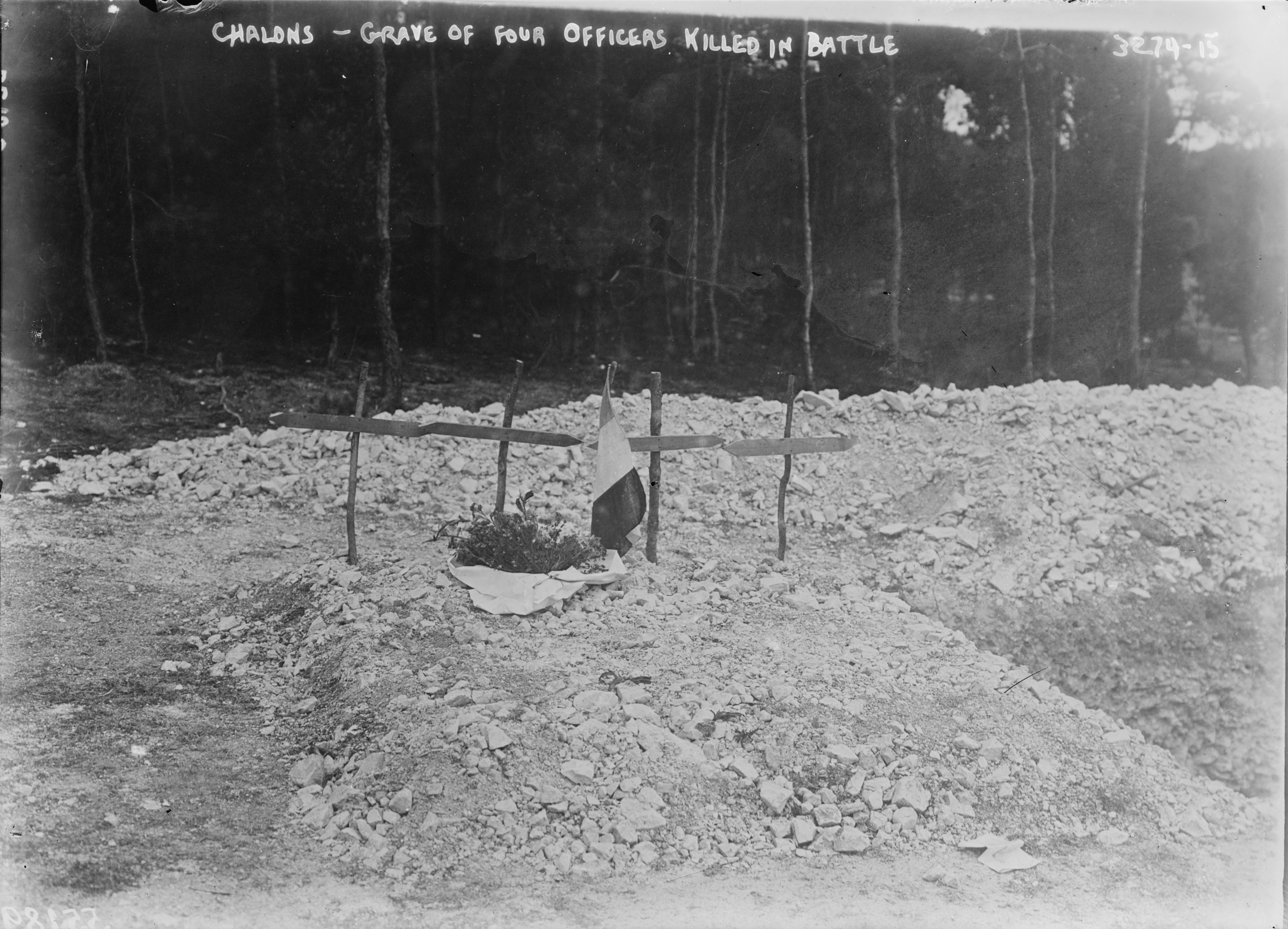
The truces also provided an opportunity to bury the dead, whose twisted corpses were constantly visible in no man’s land. Crocker explains that these were typically the bodies of men from regiments that had been stationed previously. For the revised version of Silent Night presented by HGO, Puts and Campbell added a new chorus in which the three platoons lay their departed countrymen to rest. In their respective languages, they sing the same humble eulogy: “I promise you, my friend who I never knew, as we lay you down miles away from home, you will not be forgotten.”
But there was also time for celebration. In Silent Night, music becomes the catalyst for the truce—German tenor Nikolaus Sprink breaks the ice by singing to the allied troops across no man’s land. The Brits, whose concept of Christmas was largely borrowed from the Germans, would have recognized many of the carols their enemies were singing, and vice versa. Beyond music-making, the men sometimes kicked a soccer ball about amongst their comrades. Contrary to legend, German-vs.-British matches were exceedingly
rare and mostly rumored.
For Crocker, who worked as a litigation paralegal before pursuing history, it’s imperative that we dispel persistent myths that have arisen around the truce. “I only trust hard evidence,” she explains. “To me, that’s a letter I’m holding in my hand.” The following excerpts from British soldiers’ letters—many of which were reprinted in newspapers back on the home front—offer a patchwork account of the Christmas ceasefires, told from the point of view of the men who participated.
While individual experiences differ, the letter-writers almost universally agree on one point: the truces were “extraordinary,” a word that, along with its many synonyms, crops up in correspondence again and again.
FRATERNIZATION
“On Christmas Day we heard the words ‘Happy Christmas’ being called out, whereupon we wrote up on a board ‘Glückliches Weihnachten!’ There was no firing and so by degrees each side began gradually showing more of themselves.” —2nd Lt. Wilbert Berthold Paton Spencer
“Finally, they climbed out of their trenches into the open! … And after a bit we also scrambled out of our trenches, and for an hour both sides walked about in the space between the two lines of trenches, talking and laughing, swapping baccy and cigarettes, biscuits, etc. They were quite friendly and genuine.” —Capt. Ted Rolleston Palmer Berryman
“Scots and Huns [i.e. Germans] were fraternizing in the most genuine possible manner. Every sort of souvenir was exchanged, addresses given and received, photos of families shown, etc.” —Capt. Sir Edward Hamilton Westrow Hulse
“Some of [the Germans] seemed to have no personal animosity against England and said they would be jolly glad when the war was over. Turner took some snaps with his pocket camera, copies of which I hope you will eventually see.” —Pvt. Malcolm Howard Grigg
SILENT NIGHT
“Later in the day I fed about 50 sparrows outside my dug-out, which shows how complete the silence and quiet was. … It is the first time, day or night, that we have heard no guns, or rifle-firing.” —Edward Hamilton Westrow Hulse
BURYING THE DEAD
“This episode was the sadder side of Christmas Day, but it was a great thing being able to collect [the dead], as their relations, to whom of course they had been reported missing, will be put out of suspense and hoping that they are prisoners.” —Edward Hamilton Westrow Hulse
“I won’t describe the sights I saw and which I shall never forget. We buried the dead as they were. Then back to the trenches with the feeling of hatred growing stronger after what we had just seen.” —Wilbert Berthold Paton Spencer
“Near where we were standing, a dead German who had been brought in by some of the English was being buried, and a German officer after reading a short service in German, during which both English and Germans uncovered, said, ‘We thank our English friends for bringing in our dead.’” —Malcolm Howard Grigg
MUSIC
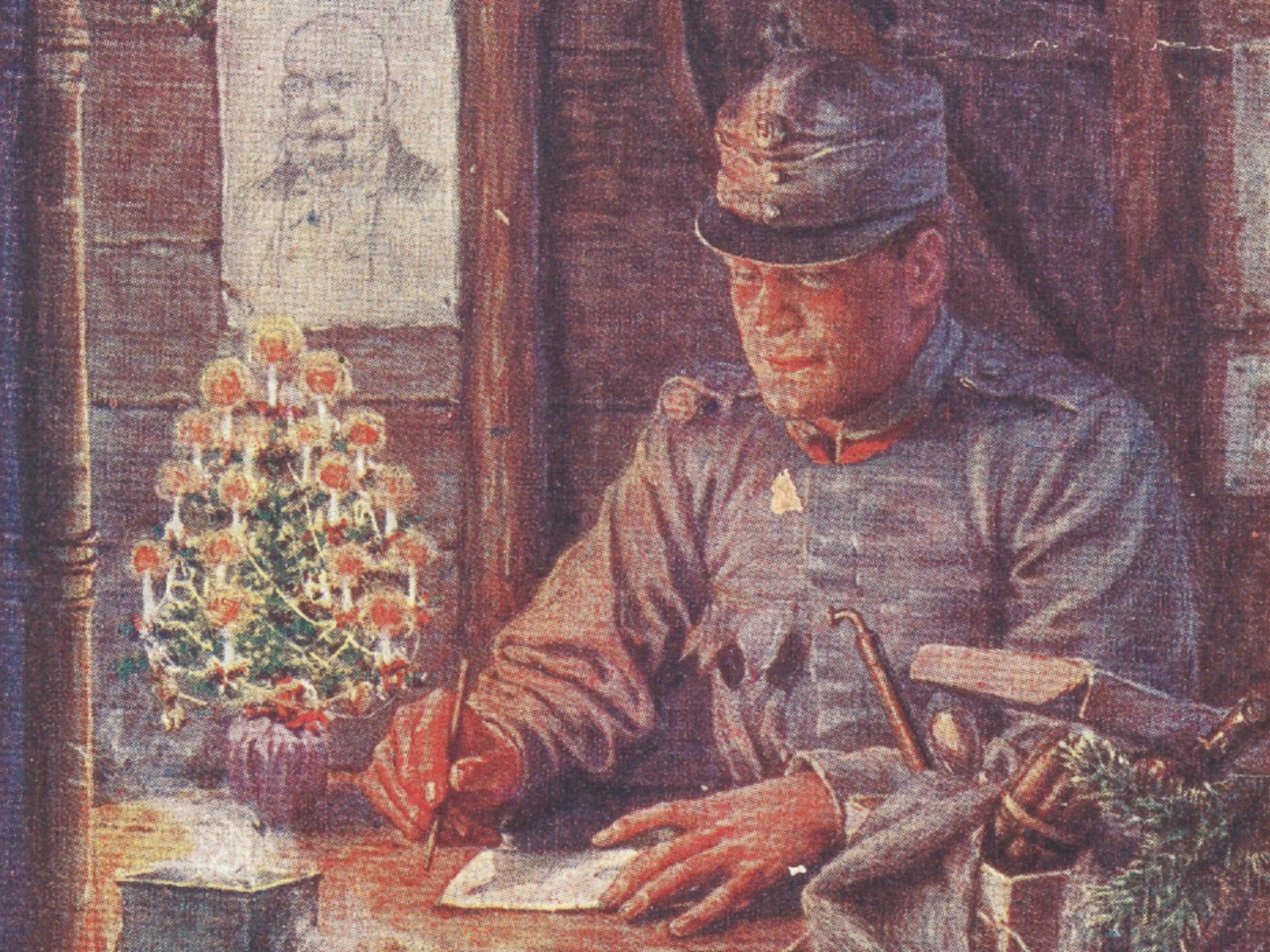
“On Christmas Eve the Germans lined their trenches with lights and had several Christmas trees all lit up. Of course we stopped firing, and both sides sang carols.” —2nd Lt. John Wedderburn-Maxwell
“A German [officer]…started his fellows off on some marching tune. When they had done, I set the note for ‘The Boys of Bonnie Scotland, where the heather and the bluebells grow,’ and so we went on, singing everything from ‘Good King Wenceslas’ down to the ordinary Tommies’ song, and ended up with ‘Auld Lang Syne,’ which we all, English, Scots, Irish, Prussian, Württembergers, etc., joined in.” —Edward Hamilton Westrow Hulse
“We have had our [bag]pipes playing all day and everyone has been wandering about in the open unmolested.” —2nd Lt. Alfred Dougan Chater
EXTRAORDINARY
“It was a very weird Christmas Day.” —Wilbert Berthold Paton Spencer
“We have had the most extraordinary experience of our lives.” —Pvt. Herbert “Jack” Chappell
“Must tell you the most wonderful thing of the war, I should say.” —John Wedderburn-Maxwell
“It was absolutely astounding, and if I had seen it on a cinematograph film I should have sworn that it was faked!” —Edward Hamilton Westrow Hulse
“Apart from the wet, cold, and lack of sleep which one has to get used to, I have quite enjoyed our three days up and wouldn’t have missed it for anything.” —Malcolm Howard Grigg
◆ ◆ ◆
Further reading:
Terri Blom Corcker, The Christmas Truce: Myth, Memory, and the First World War
Mike Hill, ed., Christmas Truce by the Men Who Took Part: Letters from the 1914 Ceasefire on the Western Front