Panel Discussion at Holocaust Museum Houston Explores Jewish and African American Ties in the Gershwins’ Porgy and Bess and HGO’s Crucial Role in the Opera’s Legacy

On September 16th, Houston Grand Opera co-presented a public workshop at Holocaust Museum Houston ahead of HGO’s season-opening production of Porgy and Bess. Titled 50 Years of the Gershwins’ Porgy and Bess in Houston: Art, Culture, and American Identity, the event highlighted the opera’s unique place in both African- and Jewish-American culture, as well as the pivotal role HGO has played in the work’s dissemination.
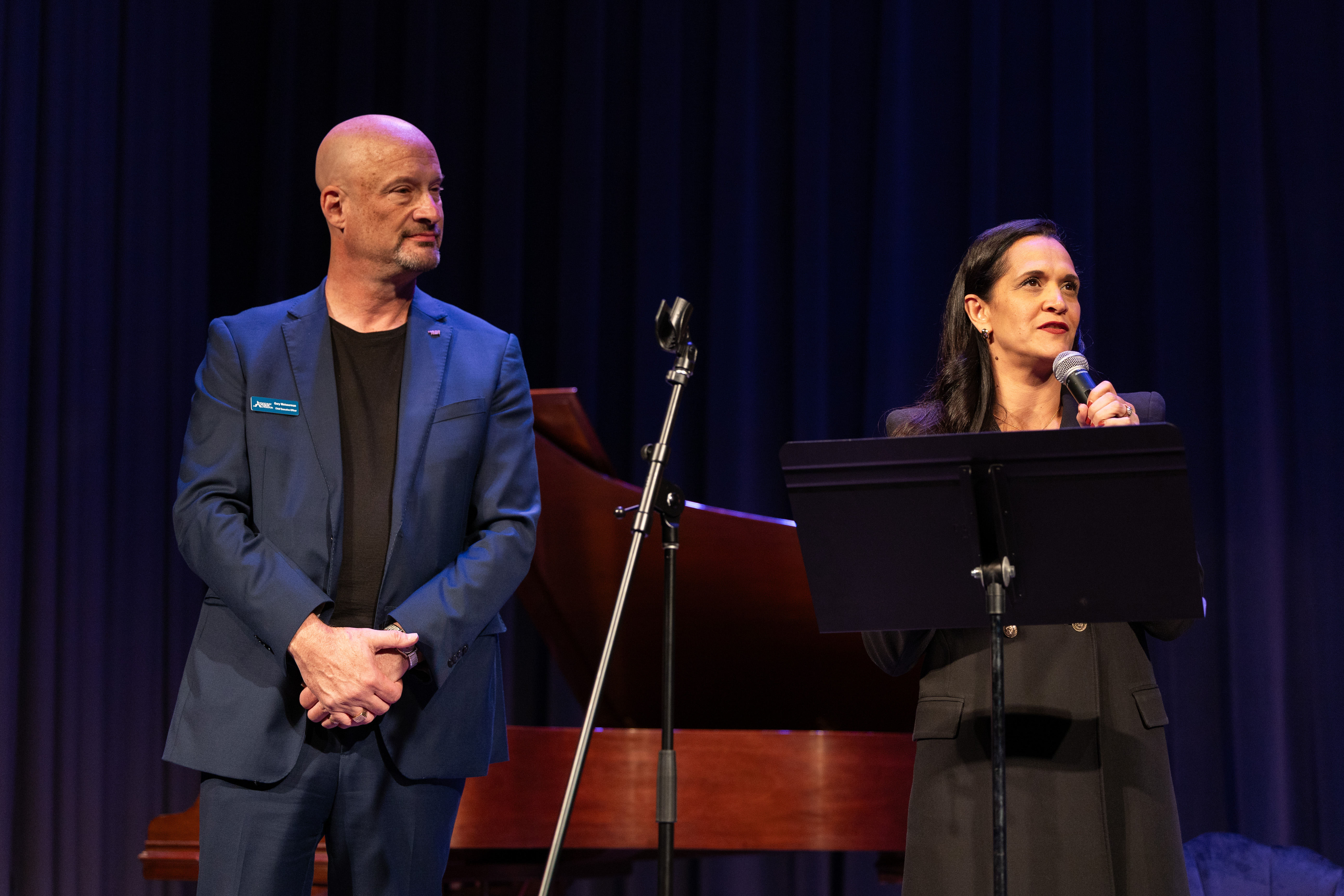
“Tonight, we’re here for a very special reason,” said HGO General Director and CEO Khori Dastoor in her opening remarks. “We commemorate Houston Grand Opera’s groundbreaking 1976 production and recording of the Gershwins’ Porgy and Bess. This production not only brought this quintessentially American opera to new audiences, but it helped redefine how the work was understood and celebrated around the world.”
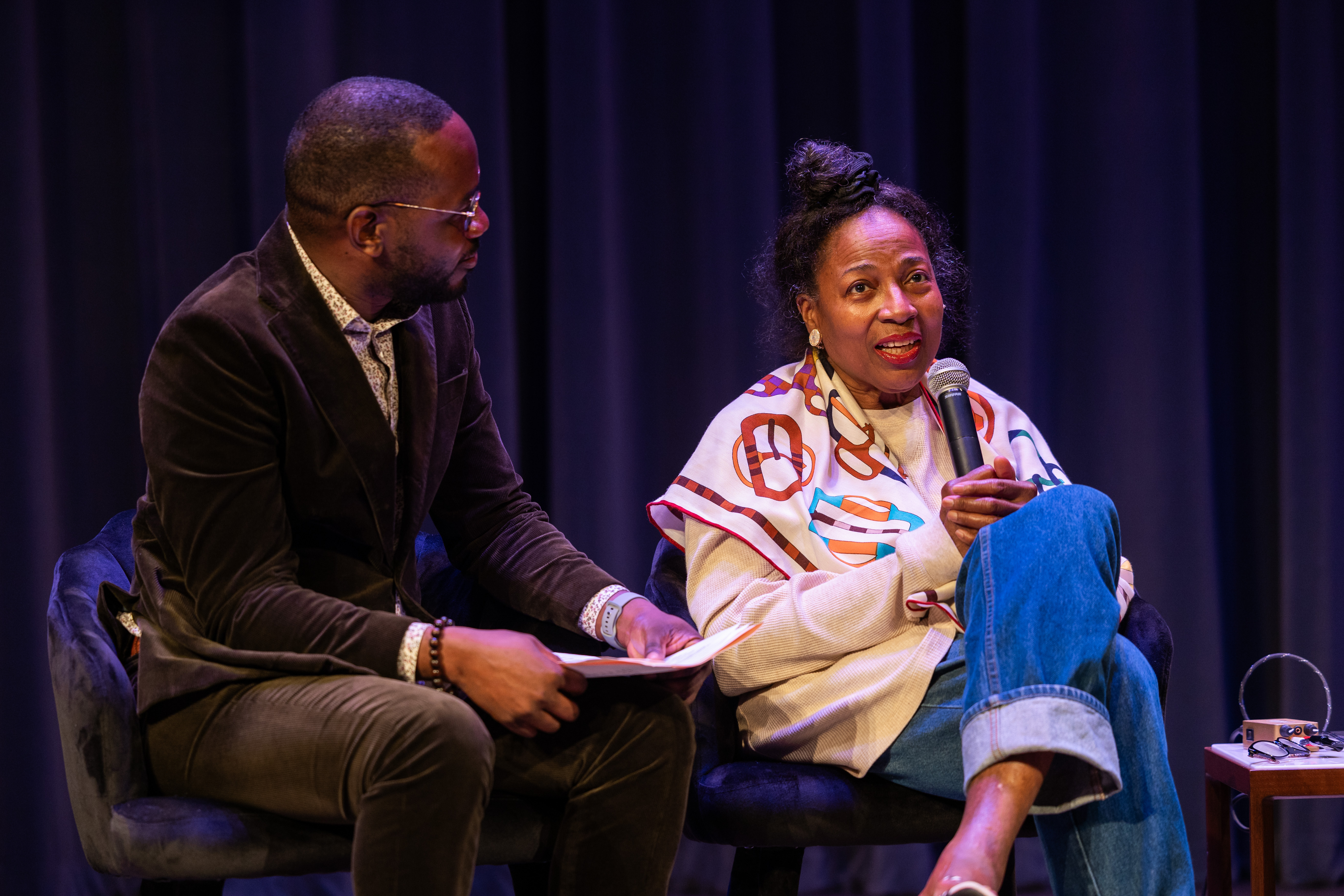
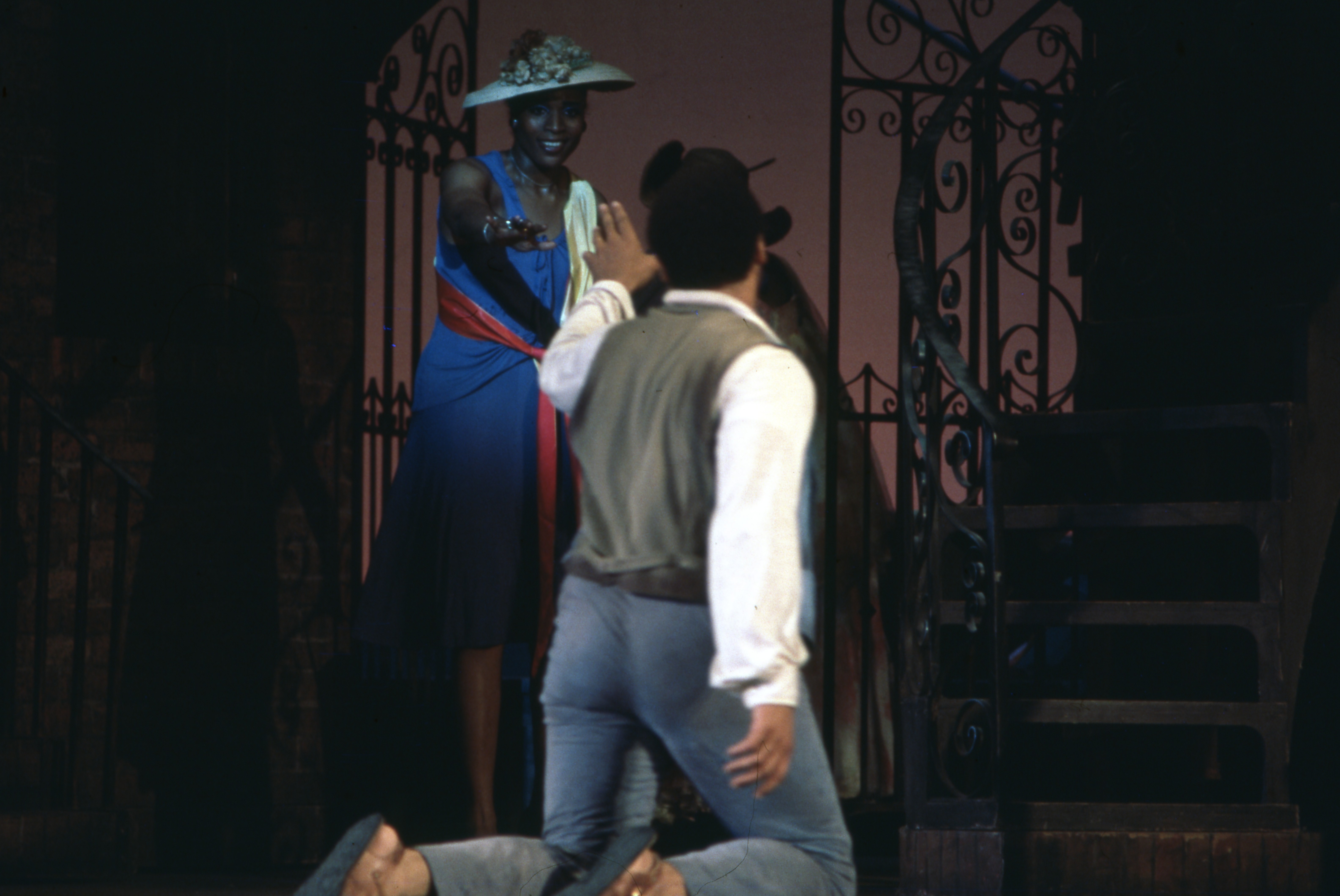
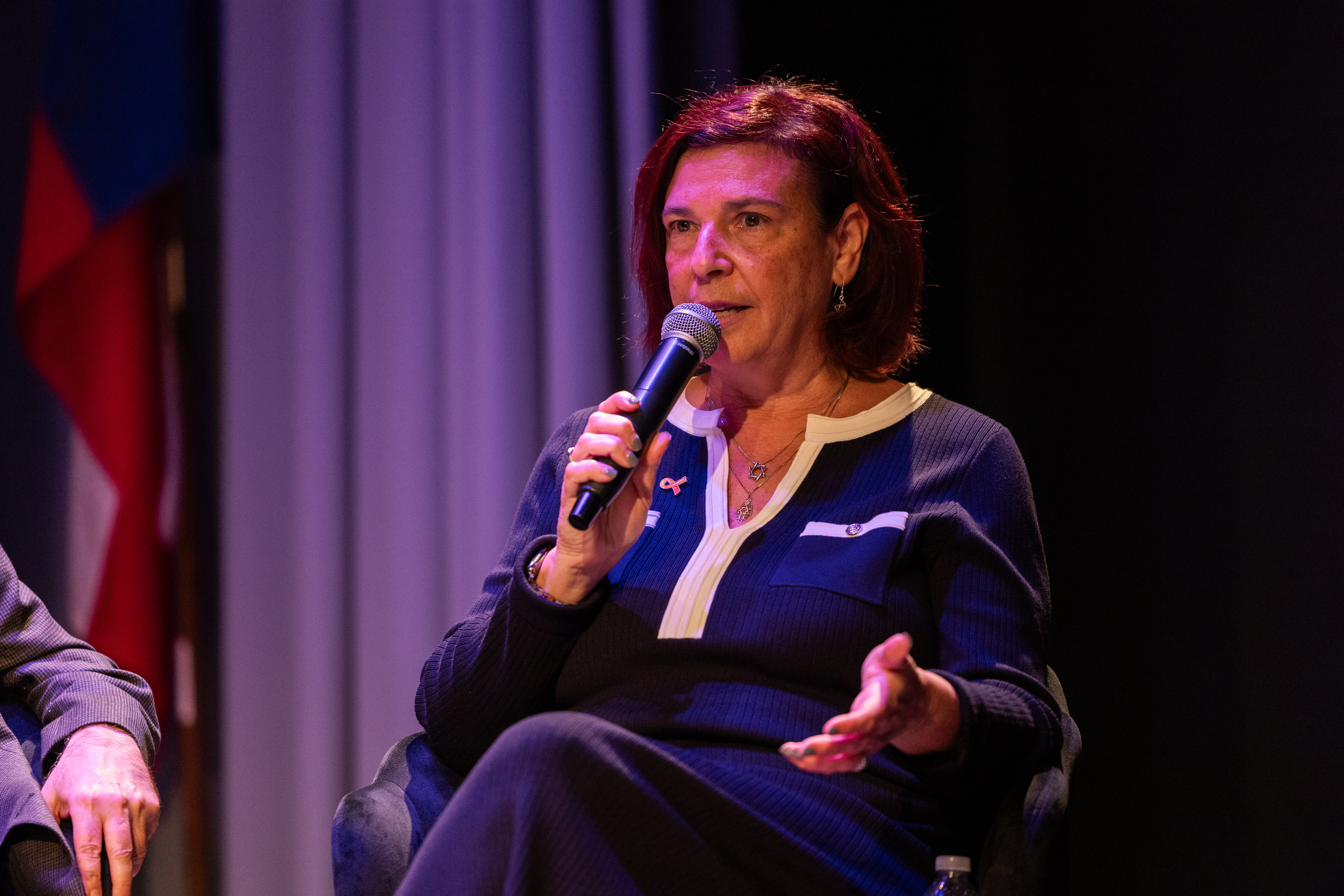
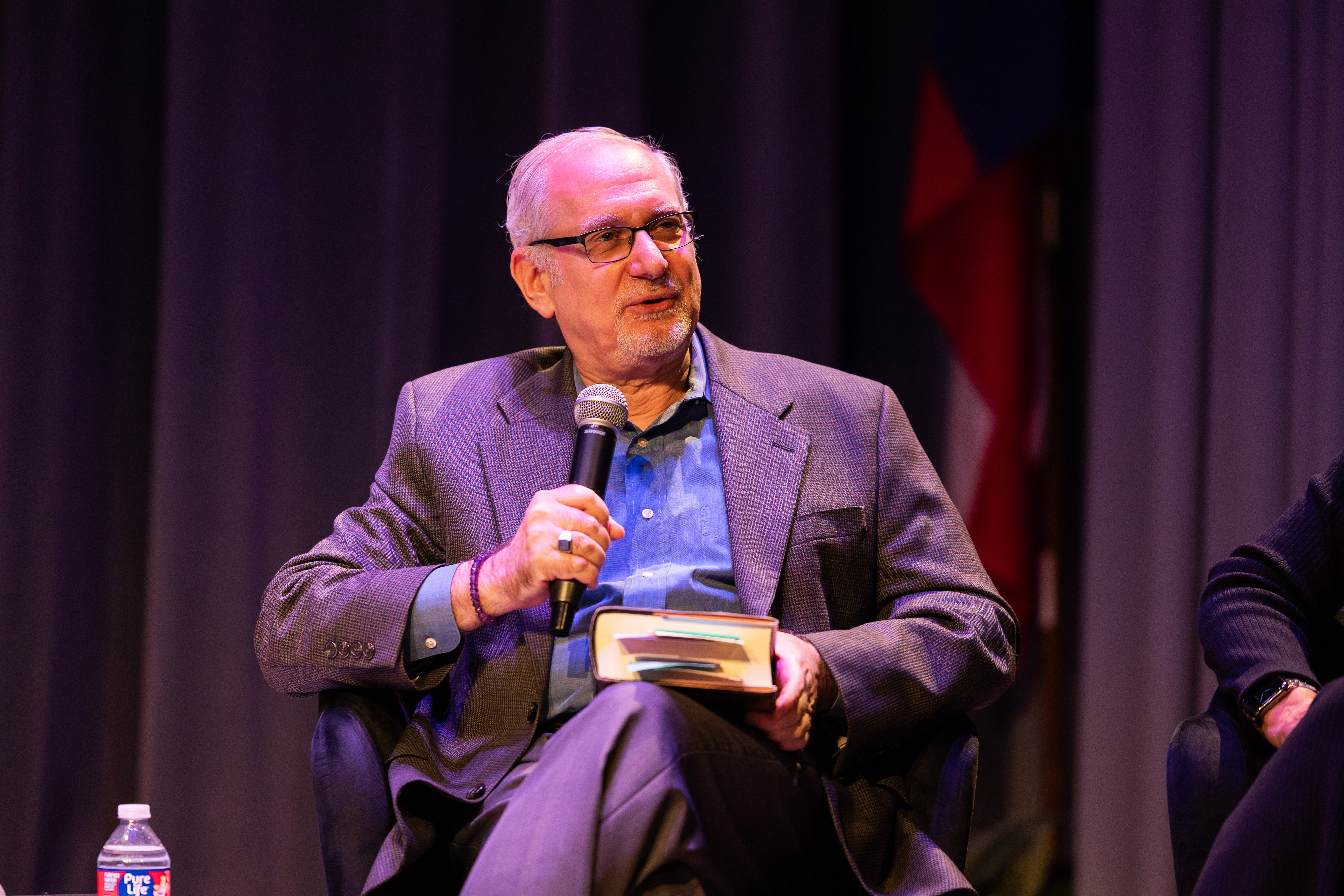
Moderated by HGO Composer-in-Residence Joel Thompson, the evening’s panel discussion featured University of Houston musicologist Howard Pollack, HMH Chief Learning and Interpretation Officer Wendy Warren, and soprano Clamma Dale. Born in 1948 in Pennsylvania, the Juilliard-trained Dale was awarded a Drama Desk Award for her dignified portrayal of Bess in HGO’s 1976 production.
However, Dale explained that she originally turned down the role—repeatedly, in fact. “The stigma was, if you sang Bess, you were not serious,” said Dale. After HGO offered her the part, Dale asked advice from her voice teacher, Tilly Barmach. Her mentor’s answer was blunt: “Don’t touch it.”
This animosity toward the work was due to a racially insensitive production of Porgy that had toured extensively since the 1950s. As Dale explained: “There was a rather offensive director who was doing performances that were not our proudest moments.”
Eventually, Dale agreed to take on the role, provided that HGO’s production was “respectful to African Americans and done in a way that is ready for the modern world.” The company made good on its promise to Dale. Director Jack O’Brien—who would go on to stage the world premiere of Hairspray on Broadway—regarded Clamma and her Black colleagues as co-creators. “He made me feel that I was seriously involved in the evolution of, not only my role, but the image of the work.”
Dale’s co-panelist, Gershwin scholar Howard Pollack, stressed the significance of HGO’s 1976 production. “For the most part, it had not been done in American opera houses. So [the HGO production] showed the viability of Porgy and Bess as a repertoire piece.” Despite the work’s “Wagnerian length” and “Wagnerian demands,” as Pollack put it, the opera was often treated as something closer to a musical comedy. This was likely owing to the influence of popular music on the score—Gershwin drew heavily on African American genres like jazz, blues, and spirituals.
“The idea of the opera is very connected to the Harlem Renaissance,” said Dale. “That left a big cultural impression on the United States. Budding blues and jazz musicians from the South could be heard in various venues in the North. It led to the flowering of the Cotton Club, which was important for exposing Black dancers as well as singers.”
Inspired by Black ragtime and jazz artists of Harlem, George and Ira Gershwin became successful songwriters, collaborating on a long list of hit tunes and Broadway musicals during the 1910s through the ’30s. As the children of Jewish-Russian immigrants, the Gershwin brothers were eager to assimilate into their homeland. “The Gershwin family made the decision, as many families did, to be as American as they could,” said Wendy Warren, HMH’s chief learning and interpretation officer.
The fact that the brothers specifically embraced African American culture speaks to the shared experiences of Jewish and Black minorities in the U.S.—“two groups that have faced persecution, racism, and antisemitism,” as Warren put it. “There was this connection and understanding between the two communities. And obviously Gershwin saw that as well.”
At the same time, Pollack drew attention to what he called “the other side of the coin, which is the Jewish musical influence on Porgy and Bess.” In one of the evening’s most extraordinary moments—which even drew a few tears from Dale—Pollack compared excerpts from Porgy with near-identical melodies from the Jewish tradition.
As he demonstrated using audio examples, Sportin’ Life’s “It Ain’t Necessarily So” bears a striking resemblance to the prayer recited before reading from the Torah, while Clara’s “Summertime” is very close to a Yiddish lullaby. “Gershwin was not only influenced by Hebraic chants,” said Pollack, “but even more so by the Yiddish theater which flourished on the Lower East Side of Manhattan during these years. His parents were very friendly with the actors.”
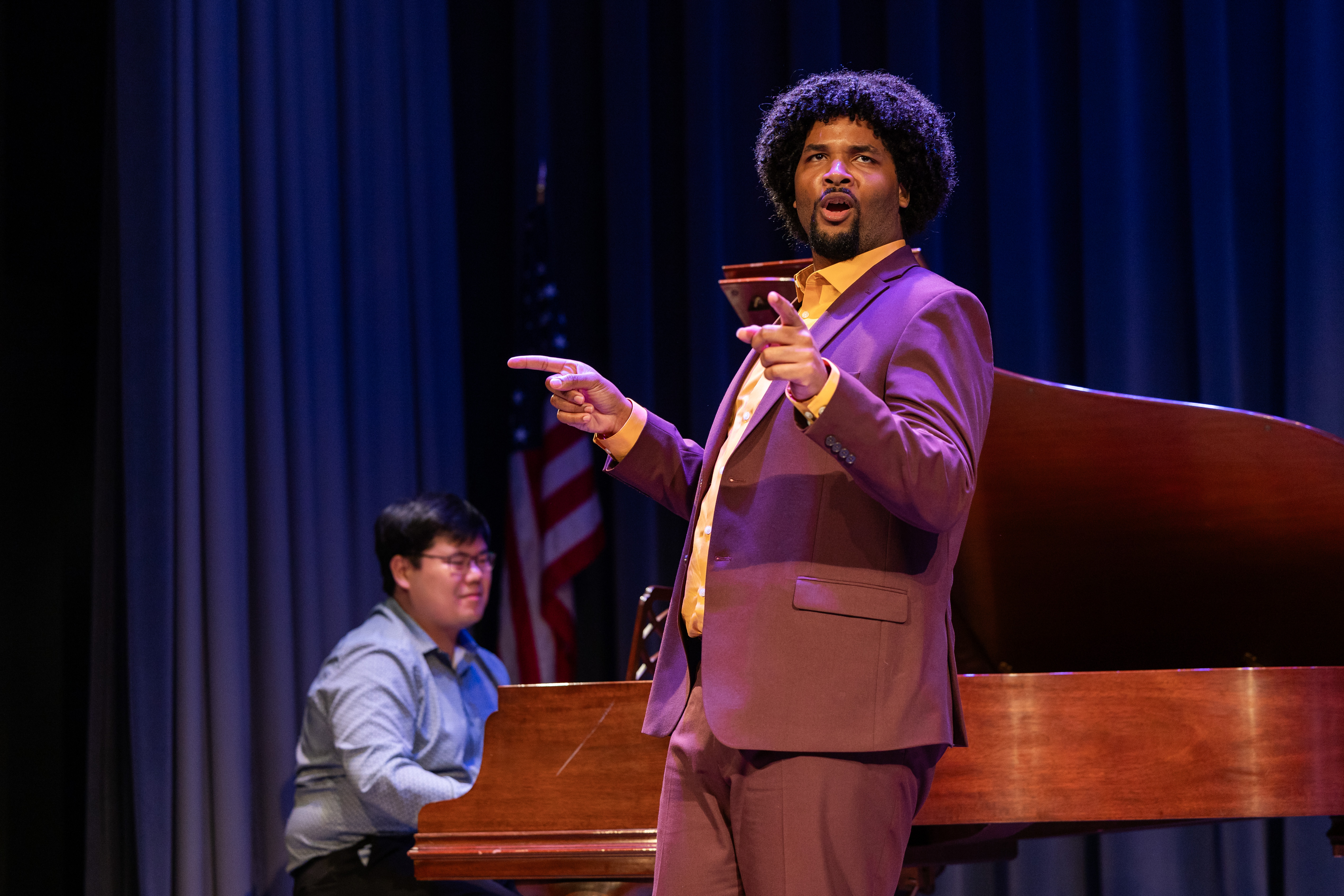
In addition to the rich and engaging discussion, the evening showcased artists from the Sarah and Ernest Butler Houston Grand Opera Studio who will appear in the company’s 2025 production of Porgy and Bess. Soprano Elizabeth Hanje, who plays the Strawberry Woman and covers the role of Clara, sang “Summertime,” while tenor Demetrious Sampson Jr., who plays Sportin’ Life, sang the character’s “There’s a Boat Dat’s Leavin’ Soon for New York.” Both were accompanied by Butler Studio pianist Tzu Kuang Tan.
Sharing the stage with Dale, these young artists helped to bridge the gap between HGO’s storied 1976 Porgy and the company’s upcoming production, directed by Francesca Zambello. Moreover, this production features a cameo appearance by the 1976 Porgy himself, bass-baritone Donnie Ray Albert, who will play the role of Lawyer Frazier. Dale fondly described her former co-star as “gentle, kind, a good colleague, and lots of fun.”
HGO’s Porgy and Bess will run for nine performances between October 24 and November 15. Tickets, starting at $25, can be purchased here.