Hitchcock and Gretel

Director and designer Antony McDonald breaks down his fanciful production of Humperdinck’s Hansel and Gretel and points out some hidden easter eggs—including references to Alfred Hitchcock’s Psycho.
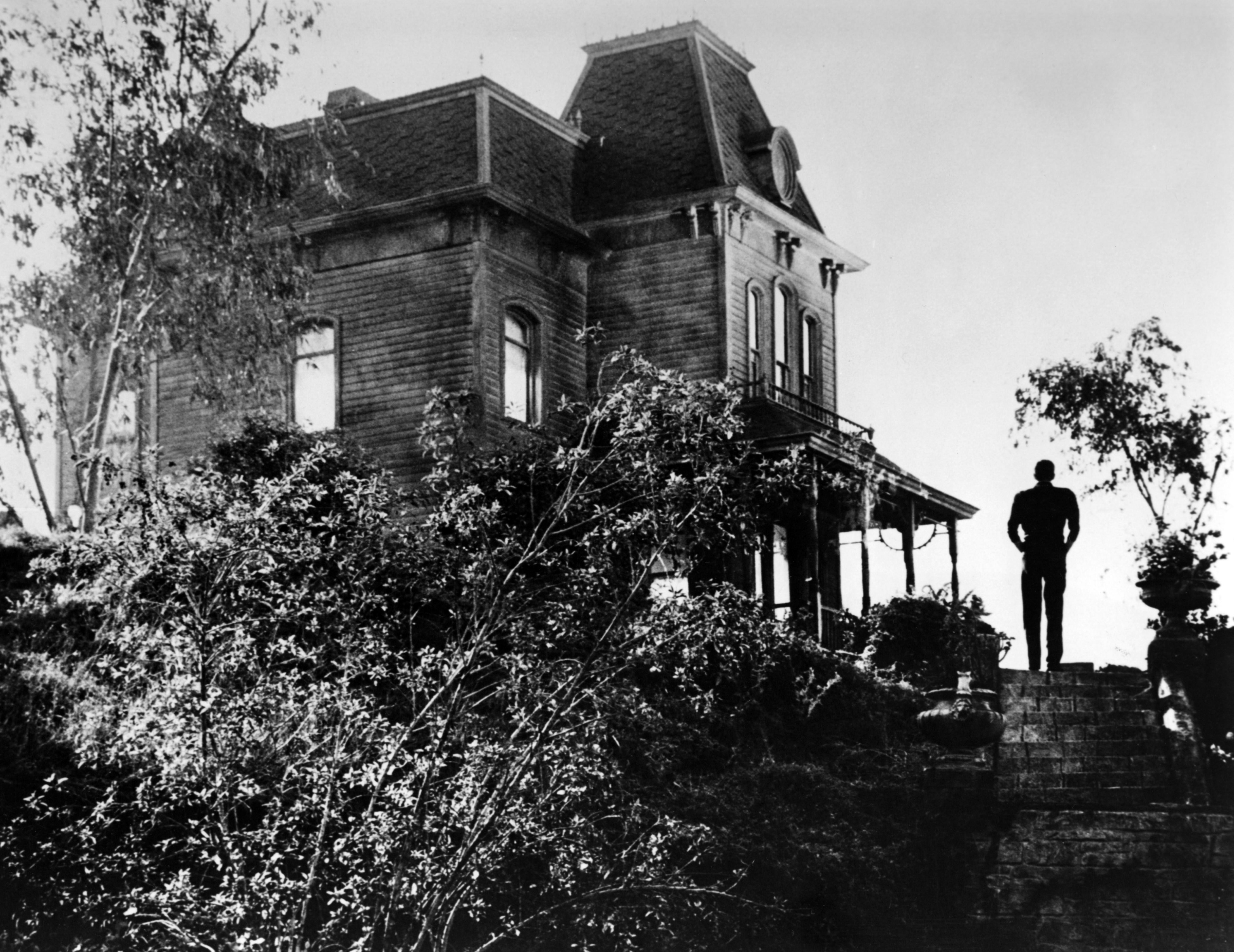
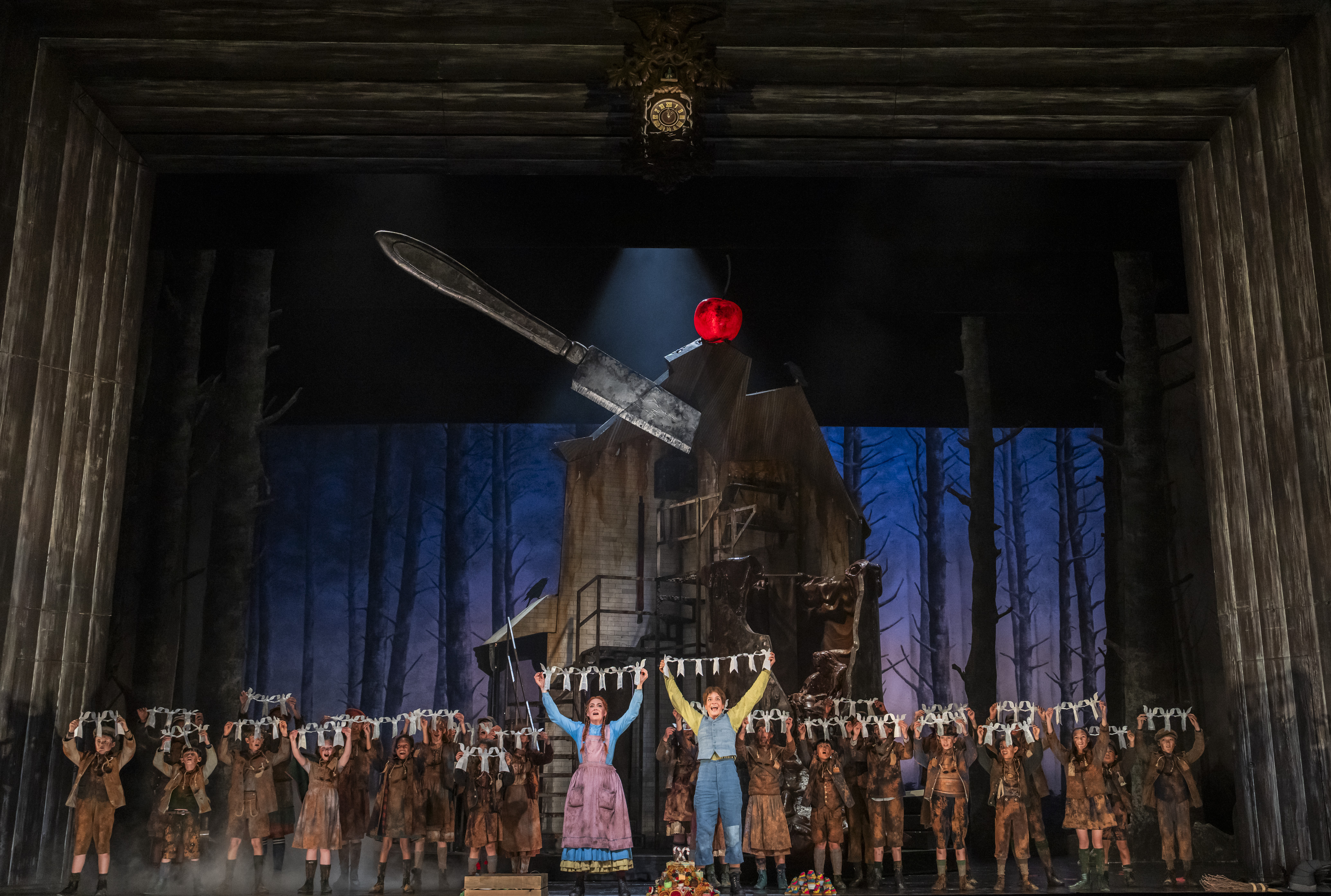
“I didn’t want to do something too twee for the Witch’s house,” explains McDonald. So in lieu of a darling gingerbread abode, he’s given her a spooky domicile modeled after the house from Psycho. In addition, the rocking chair is a reference to the one in Hitchcock’s film. Look out for the splatter of red liquid on one of the house’s windows. Is it jam, or something more sinister?
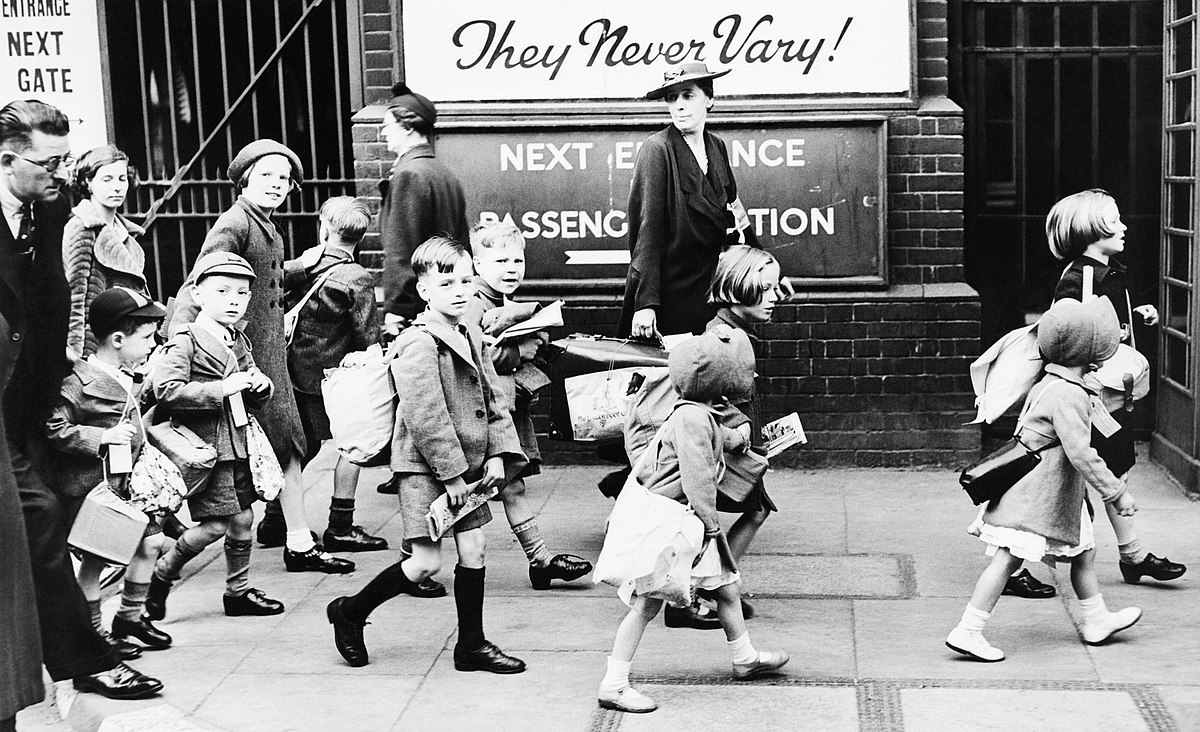
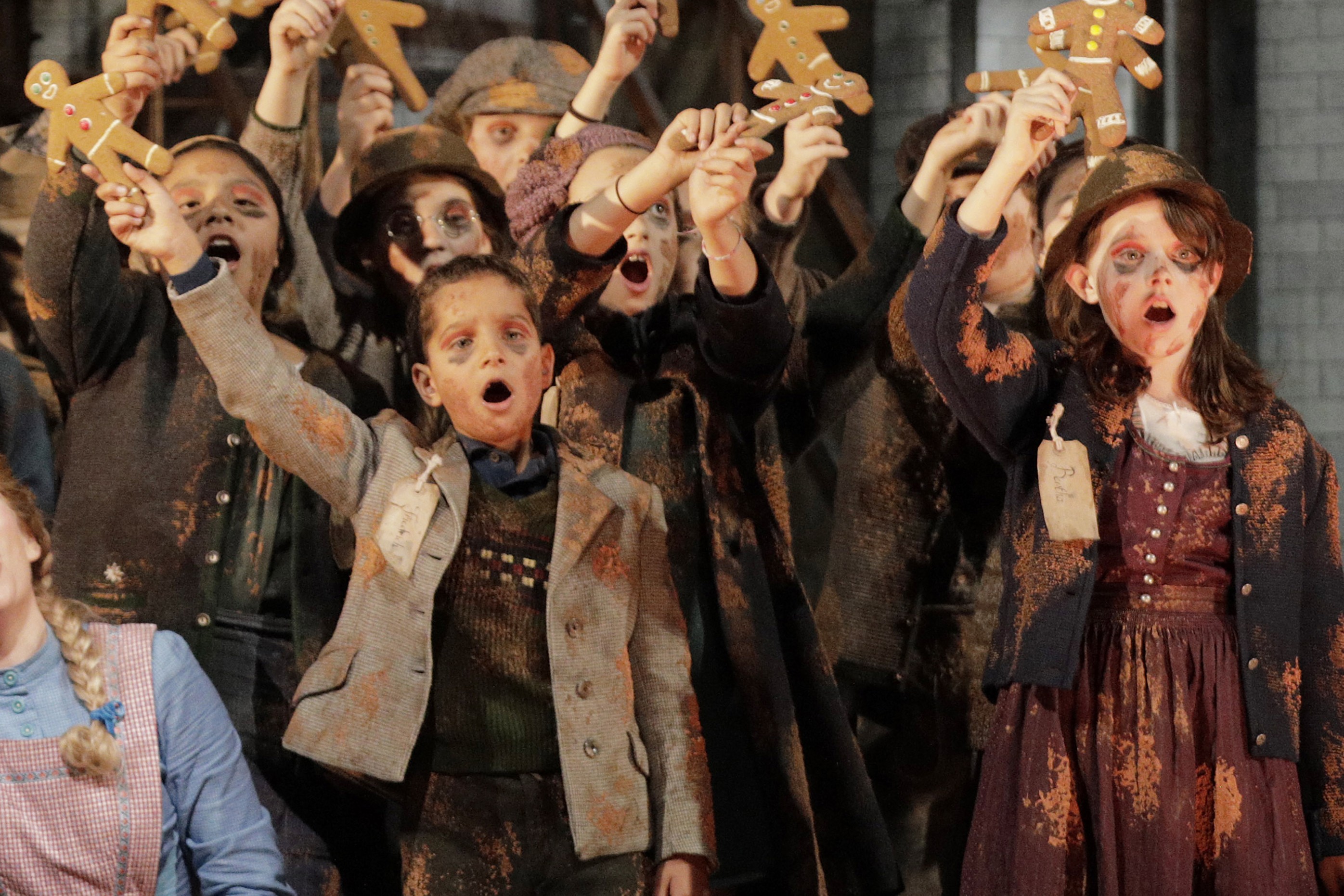
After Hansel and Gretel vanquish the Witch, they free the poor tykes she transformed into gingerbread cookies. In McDonald’s staging, you might notice some paper tags hanging off of the child choristers. As the director explains: “The idea comes from the Second World War. Children were sent away to live in the country, since it was too dangerous in London. And they turned up with their names and addresses on labels.”
Hanging from the top of the rustic wooden proscenium that frames the stage is a giant Bavarian cuckoo clock. “We use it to show the passing of time,” says McDonald. During the forest scene, you’ll also see a giant moth and beetle crawling across the proscenium. “Since there might be very young children coming to see their first opera, I felt it was important that there were visual things to keep their attention.”
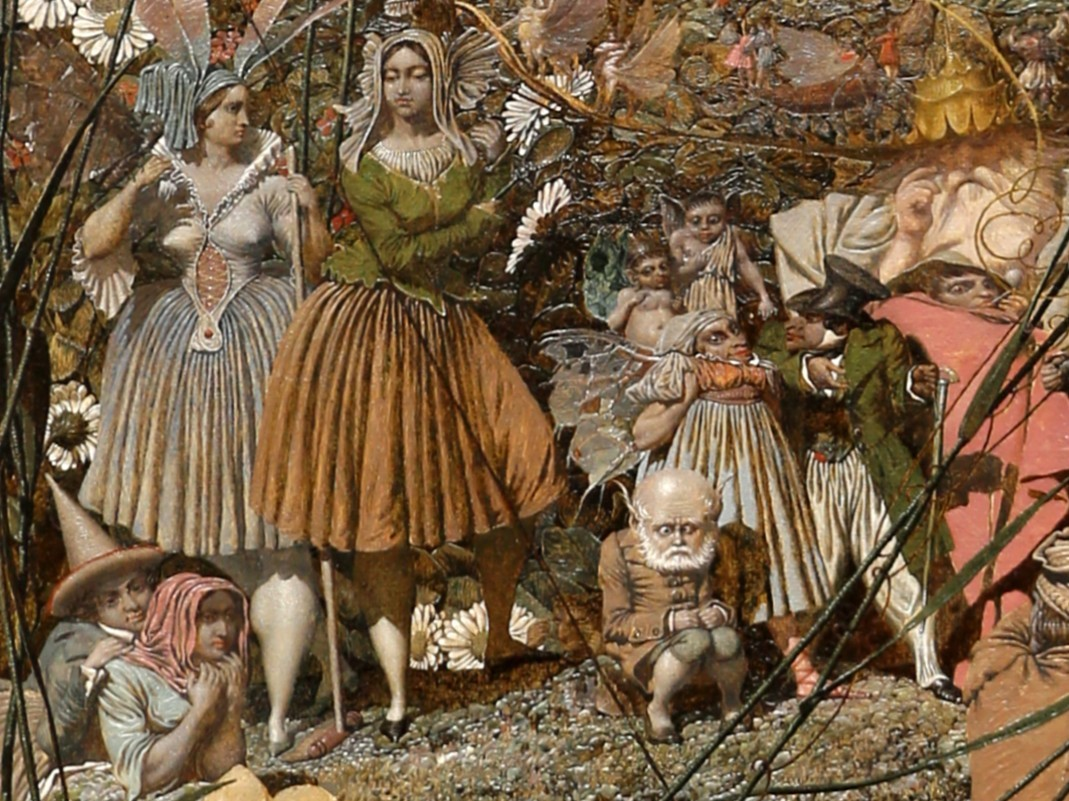
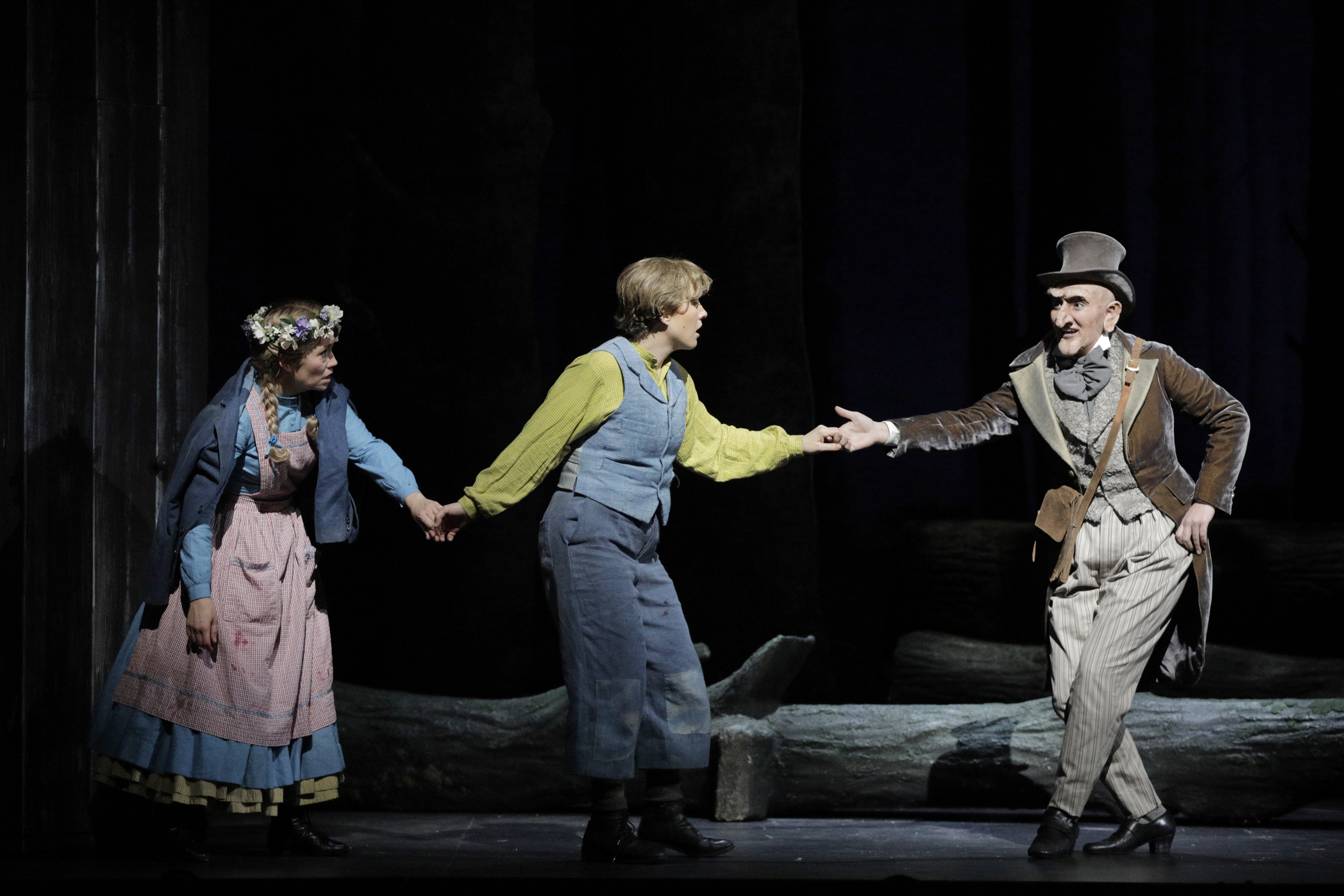
“The idea for the Sandman, who’s a real Dickensian-looking figure, is based on the British painter Richard Dadd,” explains McDonald. The director’s design for the character is inspired by a funny little man in Dadd’s hyper-detailed painting The Fairy Feller’s Master-Stroke, created between 1855-64.
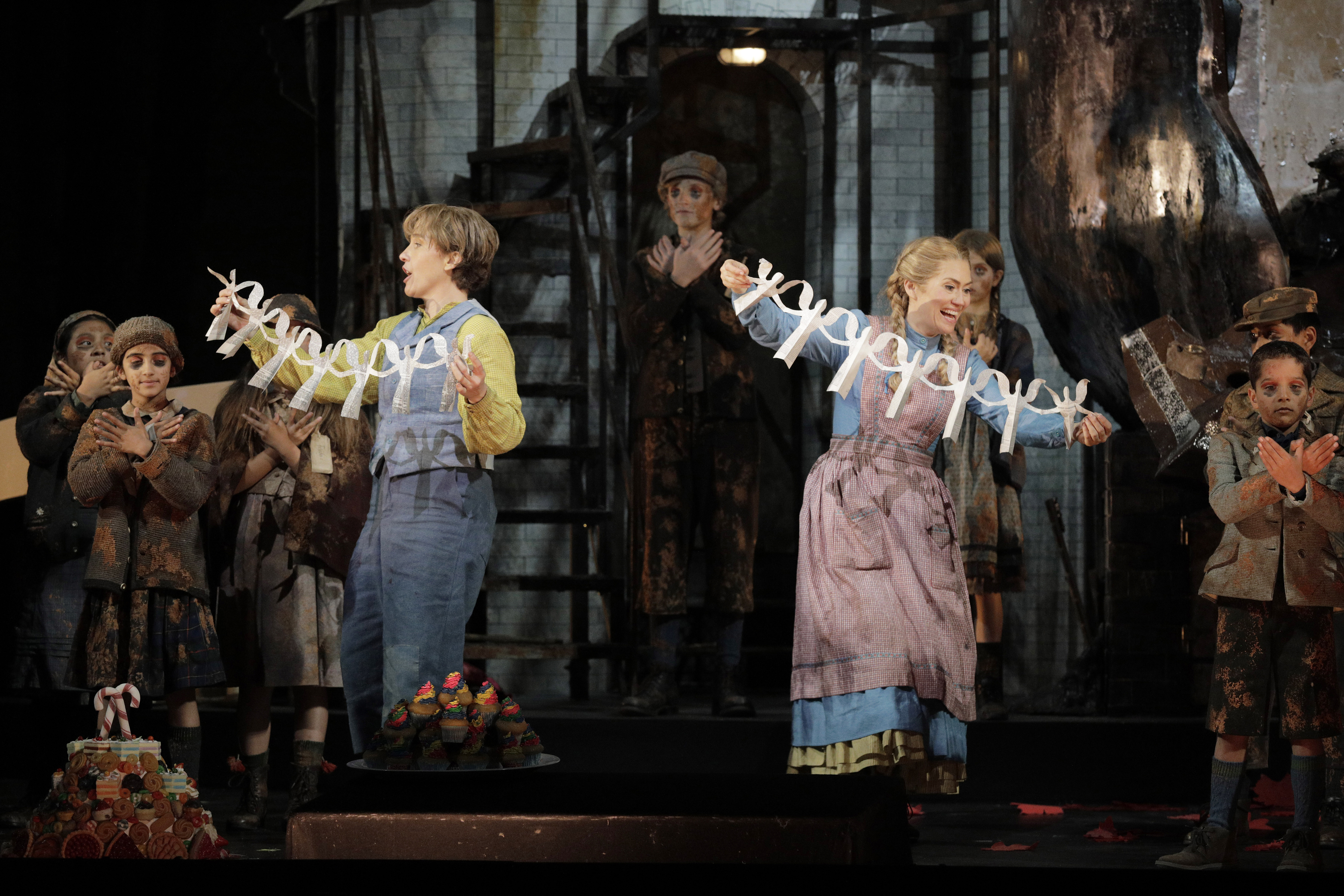
In the original libretto, Hansel and Gretel are guarded in the forest by 14 angels. McDonald has replaced these heavenly messengers with an assembly of fairytale figures taken from the Brothers Grimm. But the 14 angels aren’t completely eliminated. A new character McDonald calls the Will-o’-the-Wisp uses her magic to create a chain of paper angels that acts as a charm to protect the children.