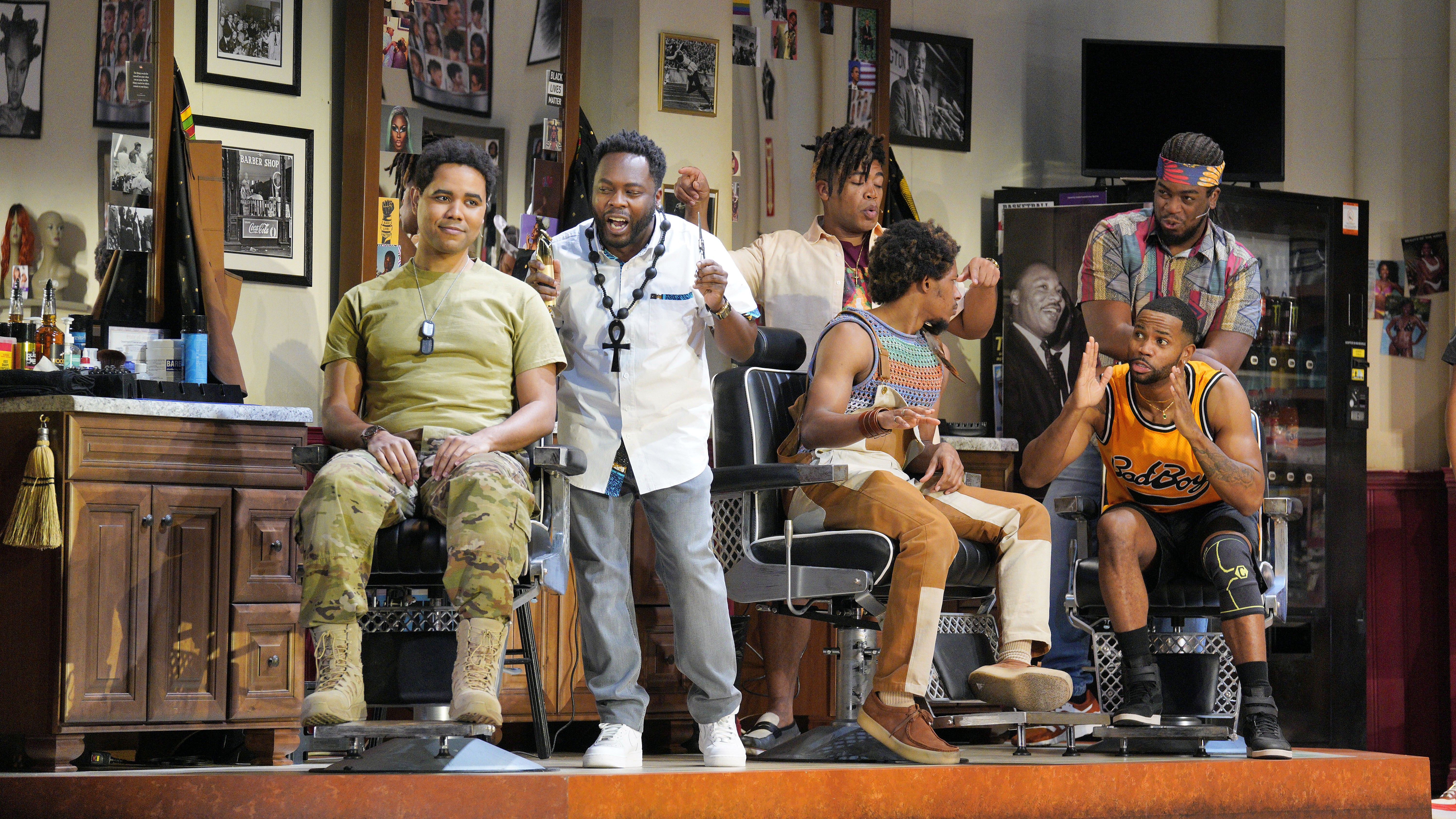
Figaro Here, Figaro There!

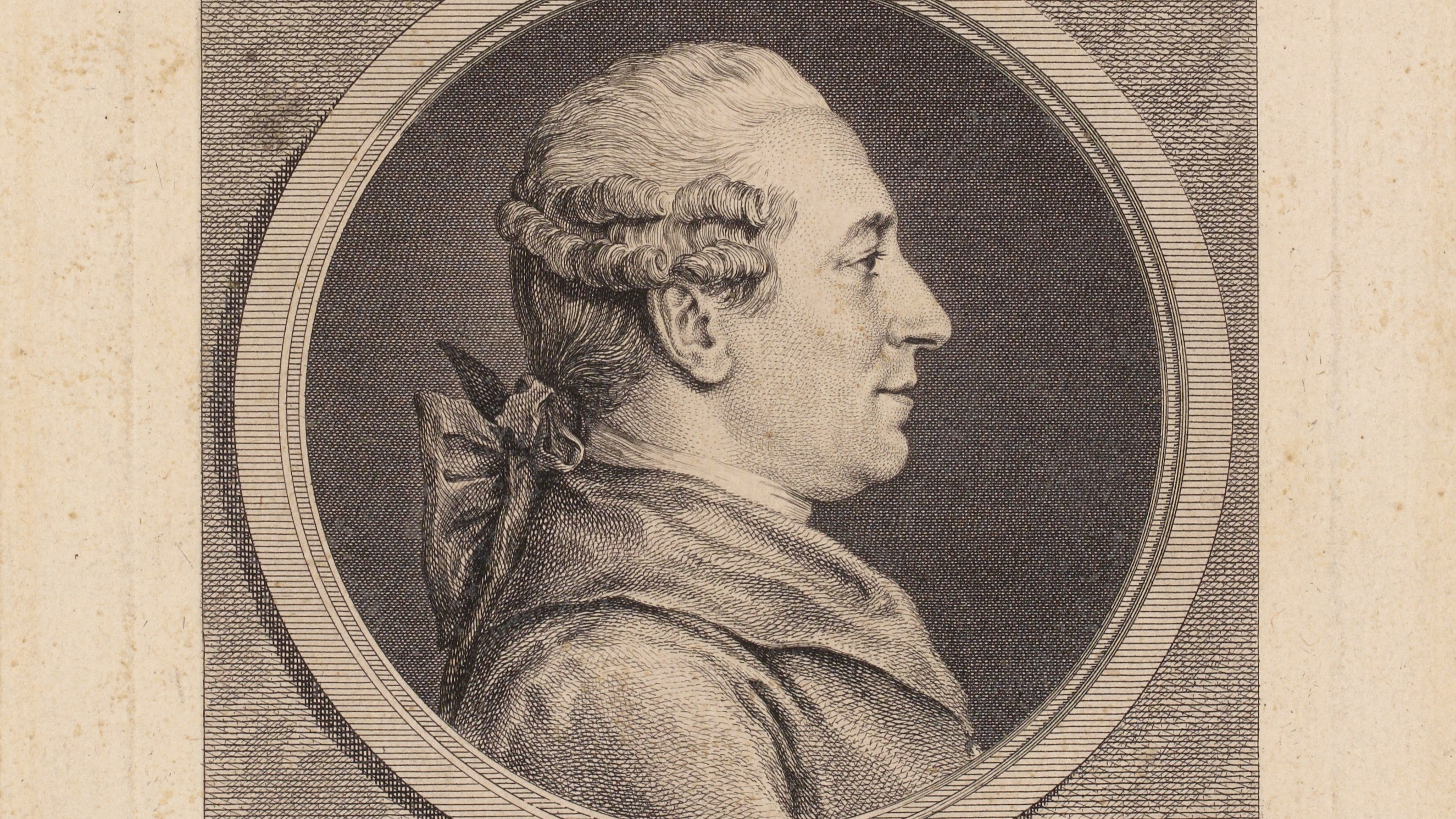
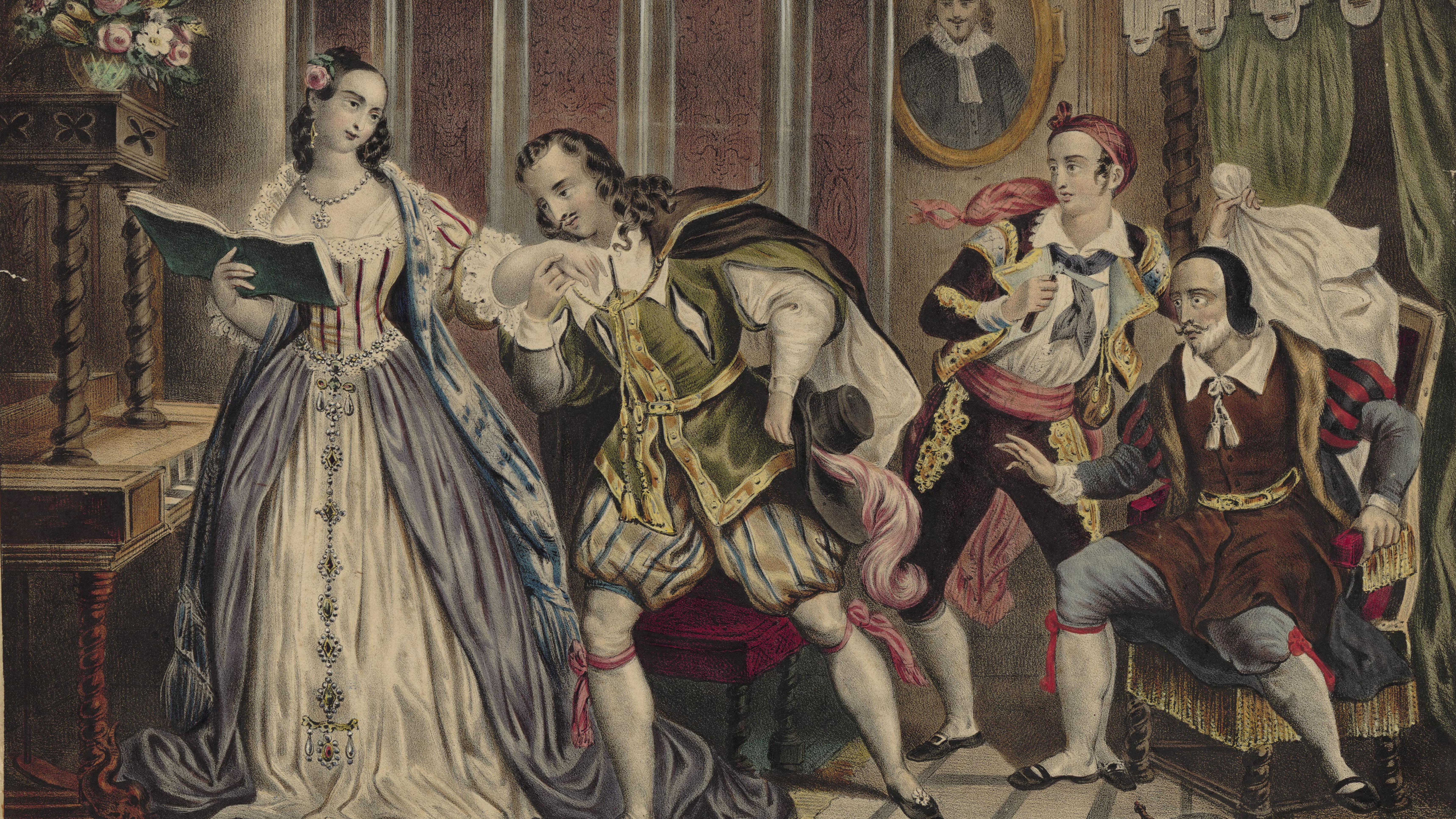
French playwright Pierre-Augustin de Beaumarchais premieres his comic farce The Barber of Seville—the first in a trilogy of plays centering on Figaro.
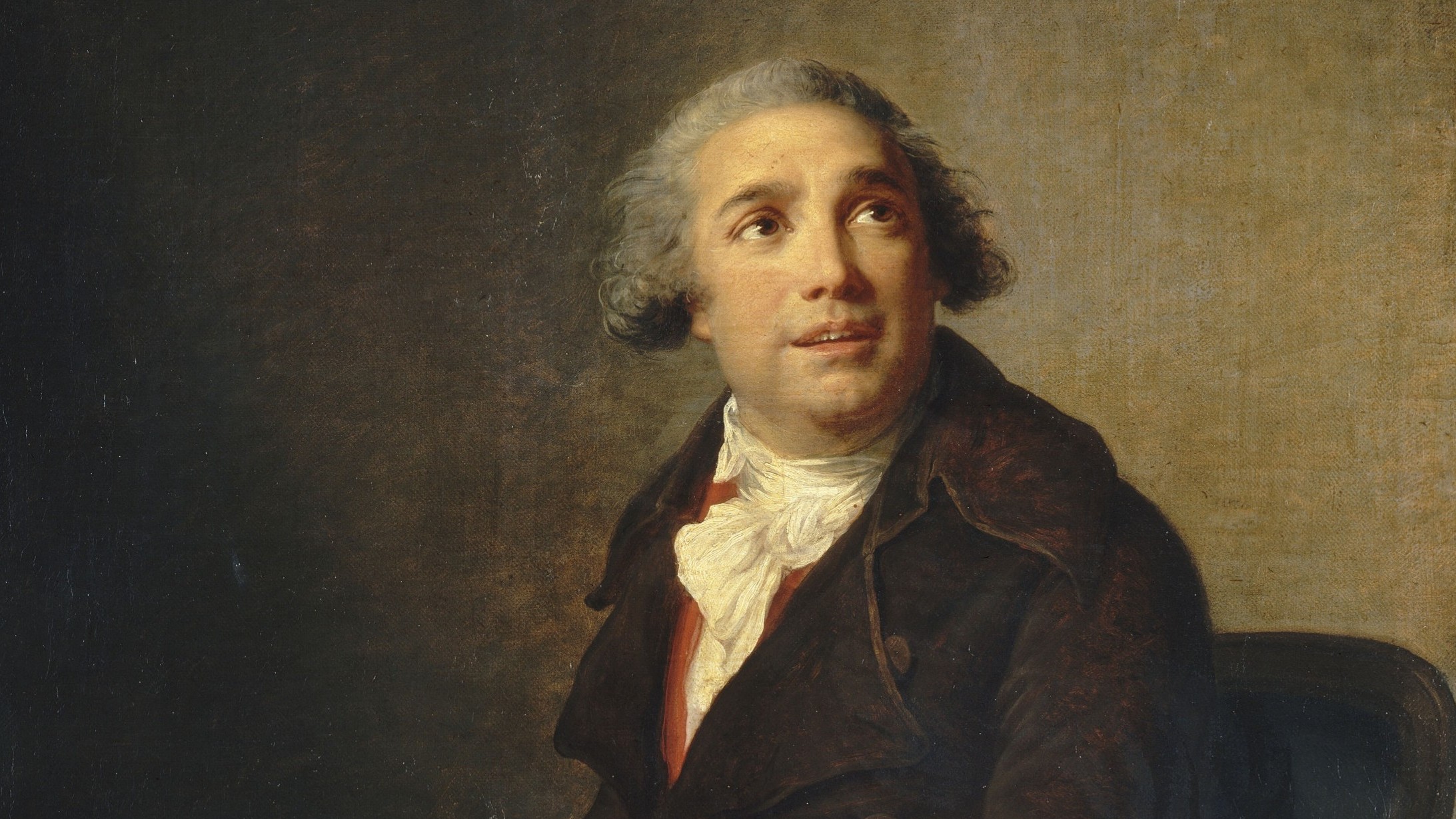
Composer Giovanni Paisiello adapts Barber into an opera. His setting remains the standard musical version for decades.
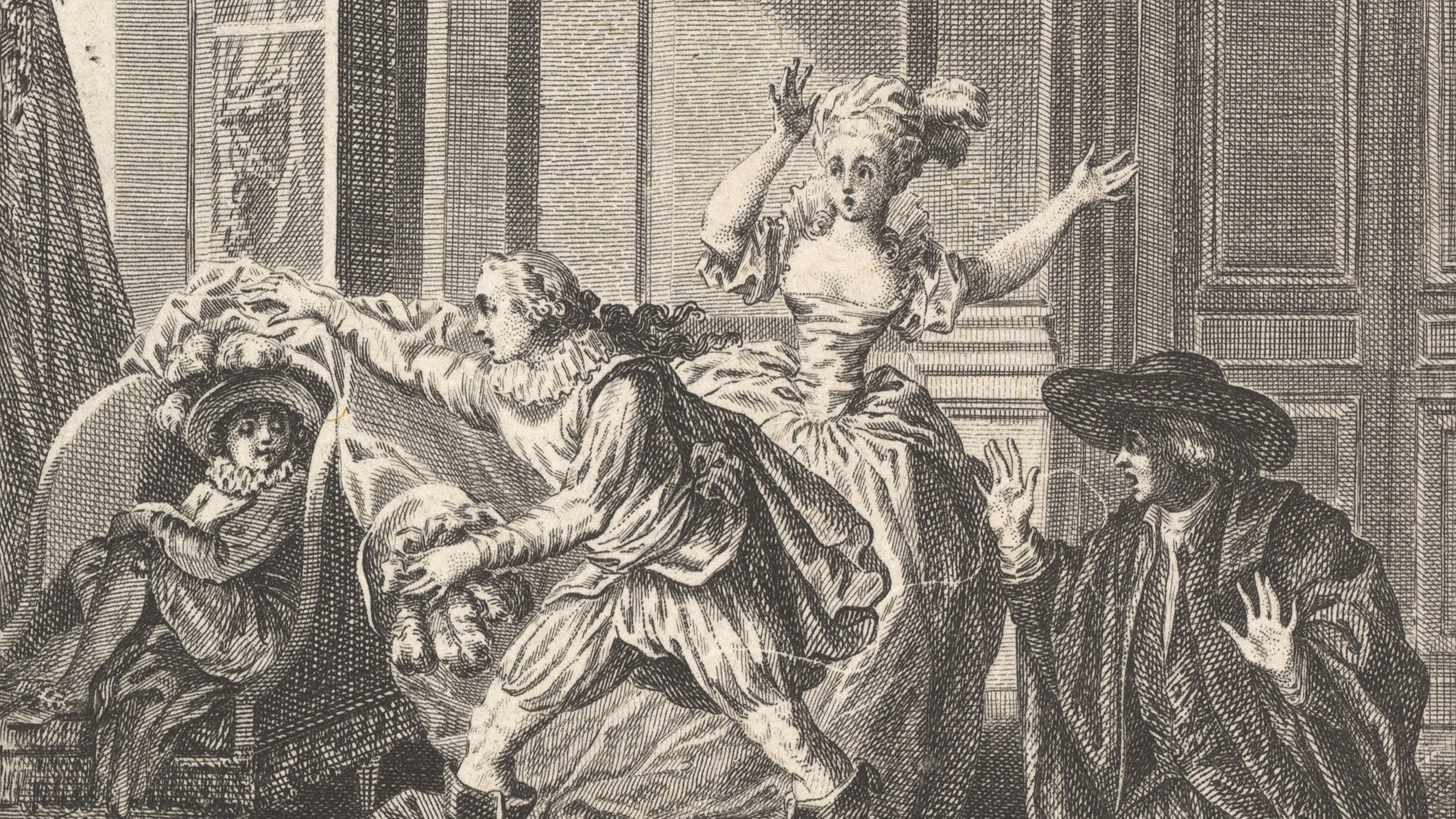
Mozart composes The Marriage of Figaro, based on Beaumarchais’s sequel to Barber.
Rossini’s Barber premieres in Rome under the title Almaviva to avoid confusion with the Paisiello version. But that doesn’t stop Paisiello fans from attempting to sabotage the performance.
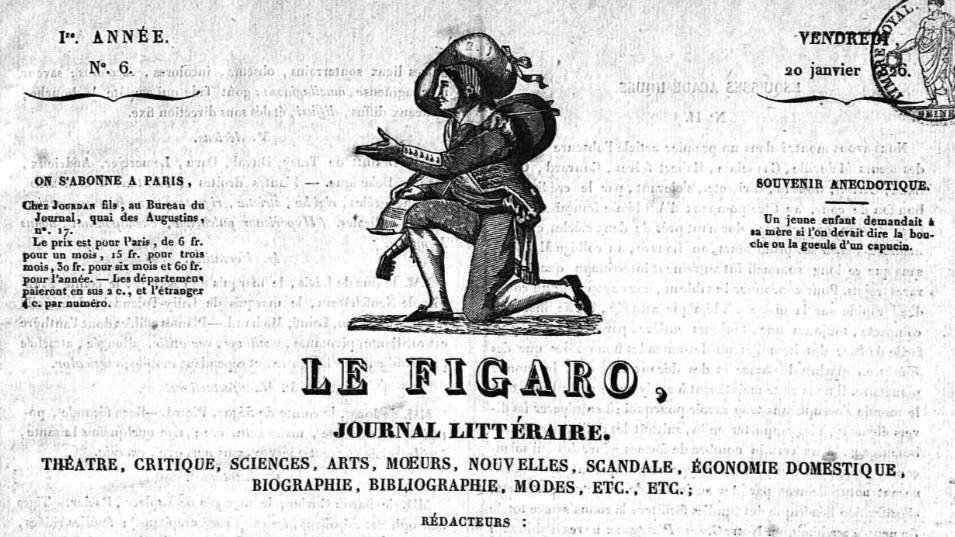
The newspaper Le Figaro, named for the barber, is founded in Paris. It remains the oldest French newspaper still in print.
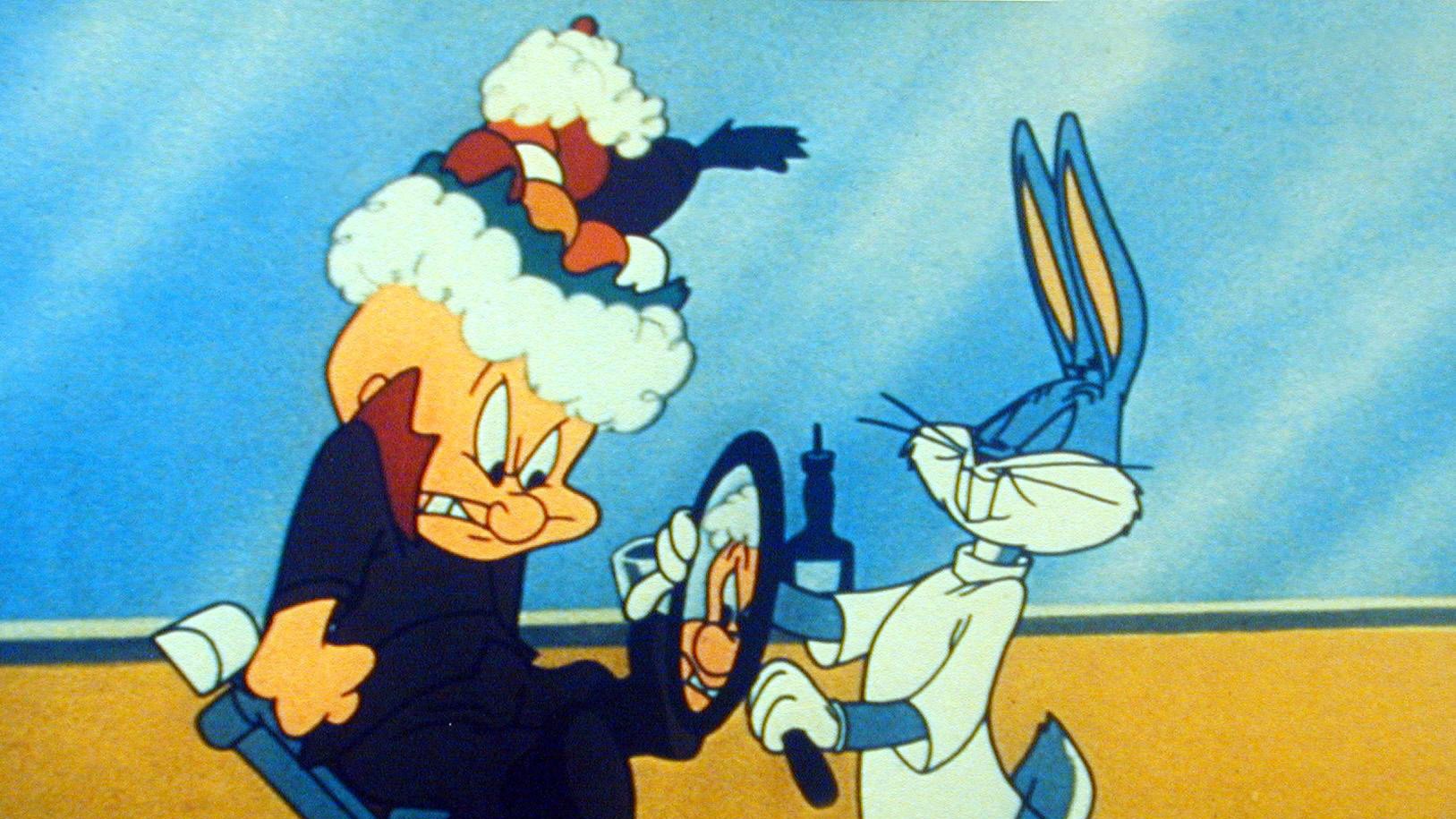
Woody Woodpecker sings Figaro’s “Largo al factotum” in a cartoon. Other cartoon characters have sung the aria, too: Tom the cat, Sylvester, Daffy Duck, and Michigan J. Frog.
Bugs Bunny and Elmer Fudd run amok in Rabbit of Seville, which features the Barber overture as its soundtrack.
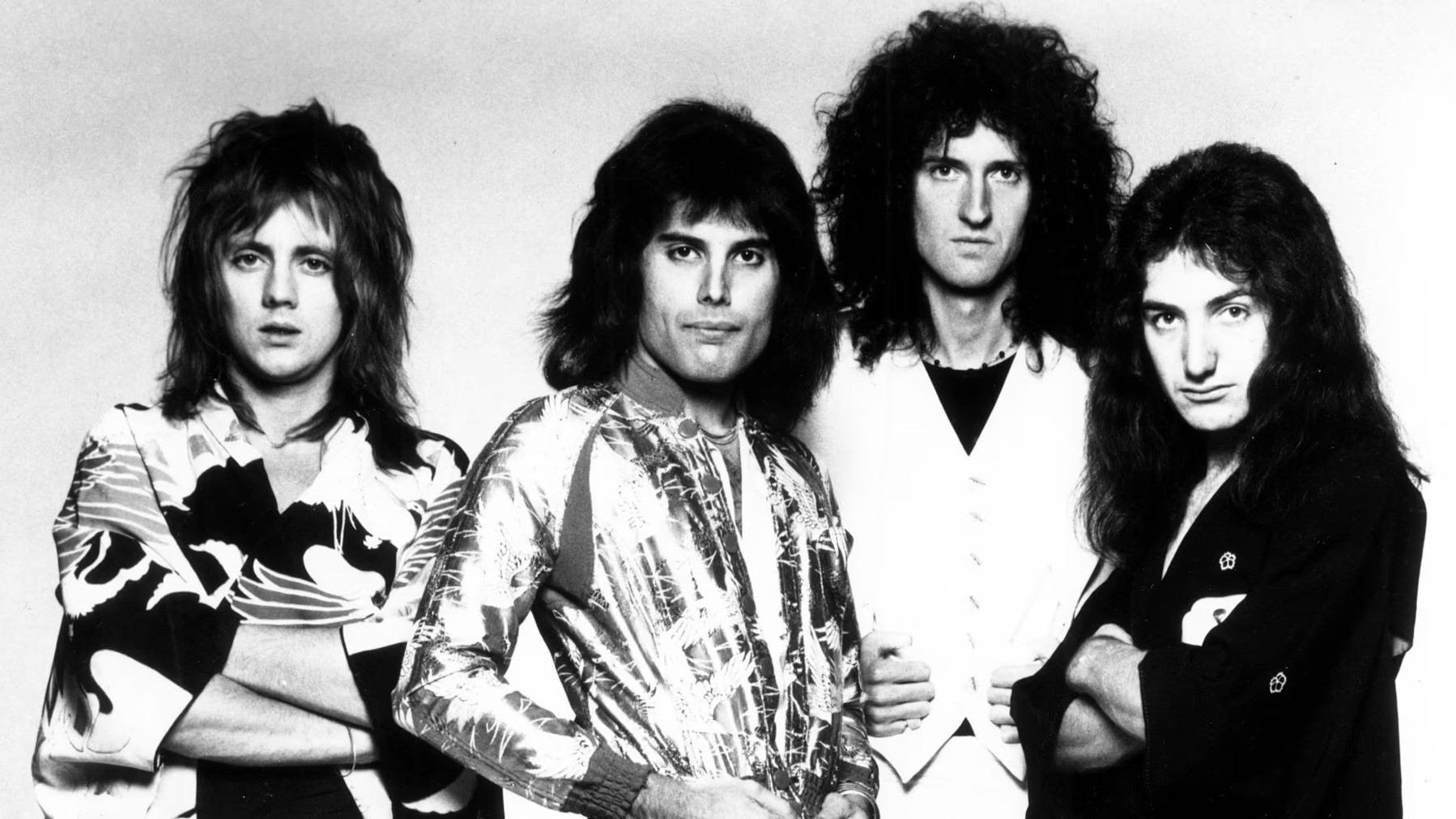
The band Queen mentions Figaro in their epic single “Bohemian Rhapsody” from A Night at the Opera: “Galileo, Figaro, magnifico.”
For the Seinfeld episode “The Barber,” loosely based on Barber, the familiar slap bass is replaced with excerpts from Rossini’s score.

Baritone Will Liverman—who plays Figaro in HGO’s 2026 Barber—writes, composes, and stars in The Factotum in collaboration with DJ King Rico. This multi-genre opera is a modern reimagining of Barber set in a Black barbershop in Chicago’s South Side.