Because of Porgy
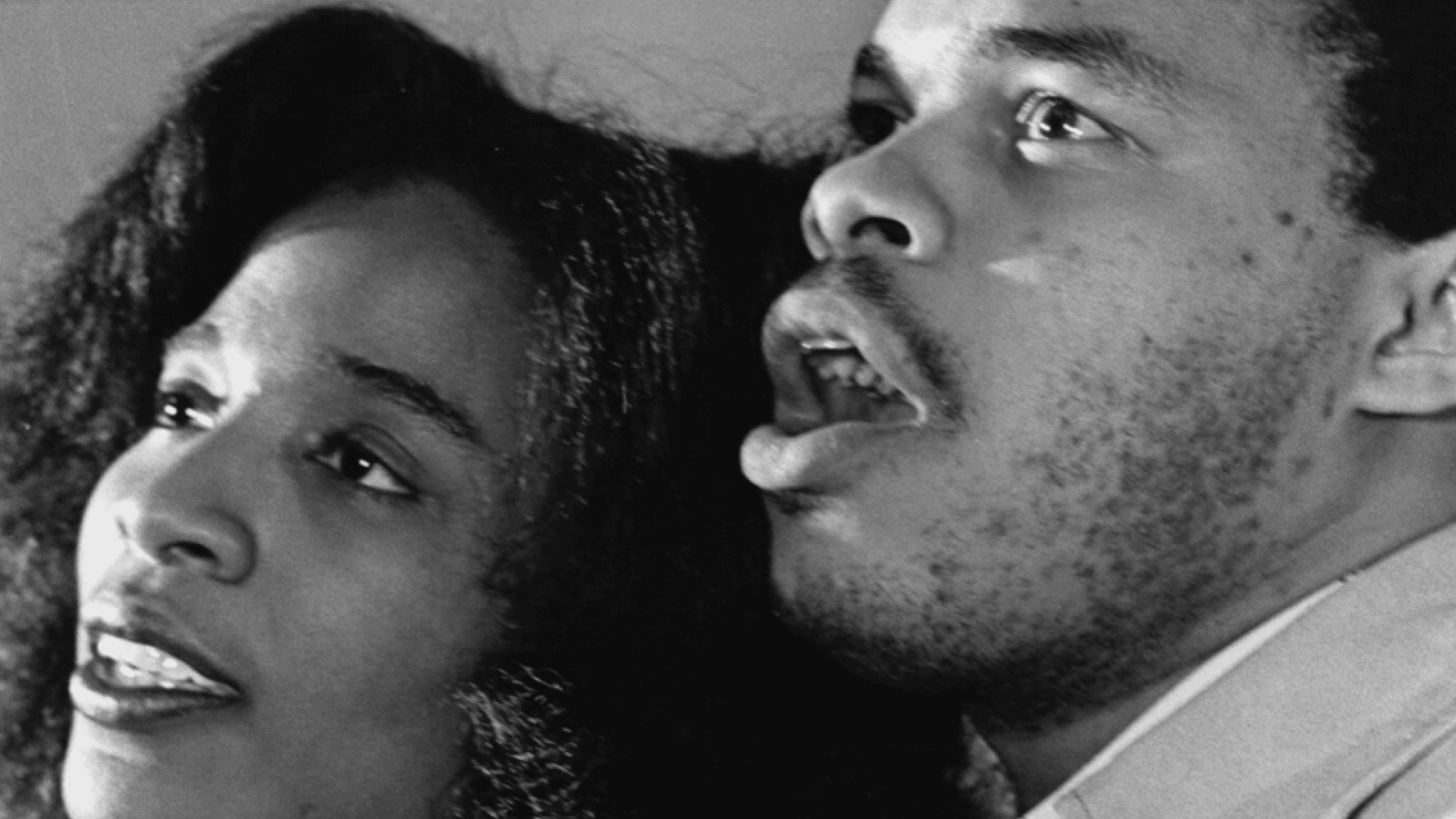
In the decades following the 1935 premiere of Porgy and Bess, the Gershwins’ opera gradually degraded from the creators’ original concept. The 1950s saw the release of a subpar film adaptation and a new theatrical revival directed by Robert Breen. This staging—later taken over by his assistant, Ella Gerber—drastically distorted the opera. “It was losing its authenticity as a depiction of Black community life, as the story set out to do,” says John DeMain, HGO’s former music director. “They cut the score severely and reassigned songs. It offended people.”
Because of an exclusive contract with the Gershwin estate, Breen and Gerber’s version dominated until the 1970s. “It was time to treat Porgy like other operas get treated,” says DeMain, “where it gets into the hands of other stage directors, other designers.” In 1976, producer Sherwin Goldman approached HGO about mounting a new Porgy to celebrate the American bicentennial. David Gockley, HGO’s ambitious young general director, entrusted DeMain with the task of undoing the damage that had been done to Gershwin’s score.
“I felt very confident that we should let the public hear as much of the piece as we could,” says DeMain. HGO’s 1976 Porgy was the first fully staged production of the near-complete score, with only minor cuts. Lines that had previously been delivered as spoken dialogue were restored to sung recitatives, performed by classically trained vocalists. “This endless discussion of whether it was a musical or an opera is just because of people’s narrow-minded idea of what opera is,” says DeMain.
DeMain was joined by director Jack O’Brien, who would later win a Tony for his 2002 production of Hairspray. “What Jack did was create an environment for the culture to come forward,” explains DeMain. O’Brien treated the cast and chorus as collaborators, drawing on their lived experiences as African Americans. He also brought Black artists onto the creative team, including choreographer/assistant director Mabel Robinson.
After closing in Houston, Porgy moved to Broadway, with DeMain conducting and the original HGO stars reprising the title roles: baritone Donnie Ray Albert as Porgy and soprano Clamma Dale as Bess. (Albert makes a cameo in HGO’s 2025 production as Lawyer Frazier.) “We got to New York, and Leonard Bernstein came to see it,” recalls DeMain. “He came to me backstage afterwards and said, ‘I have waited 40 years to hear this piece done this way. You’ve done it. Now I don’t have to!’”
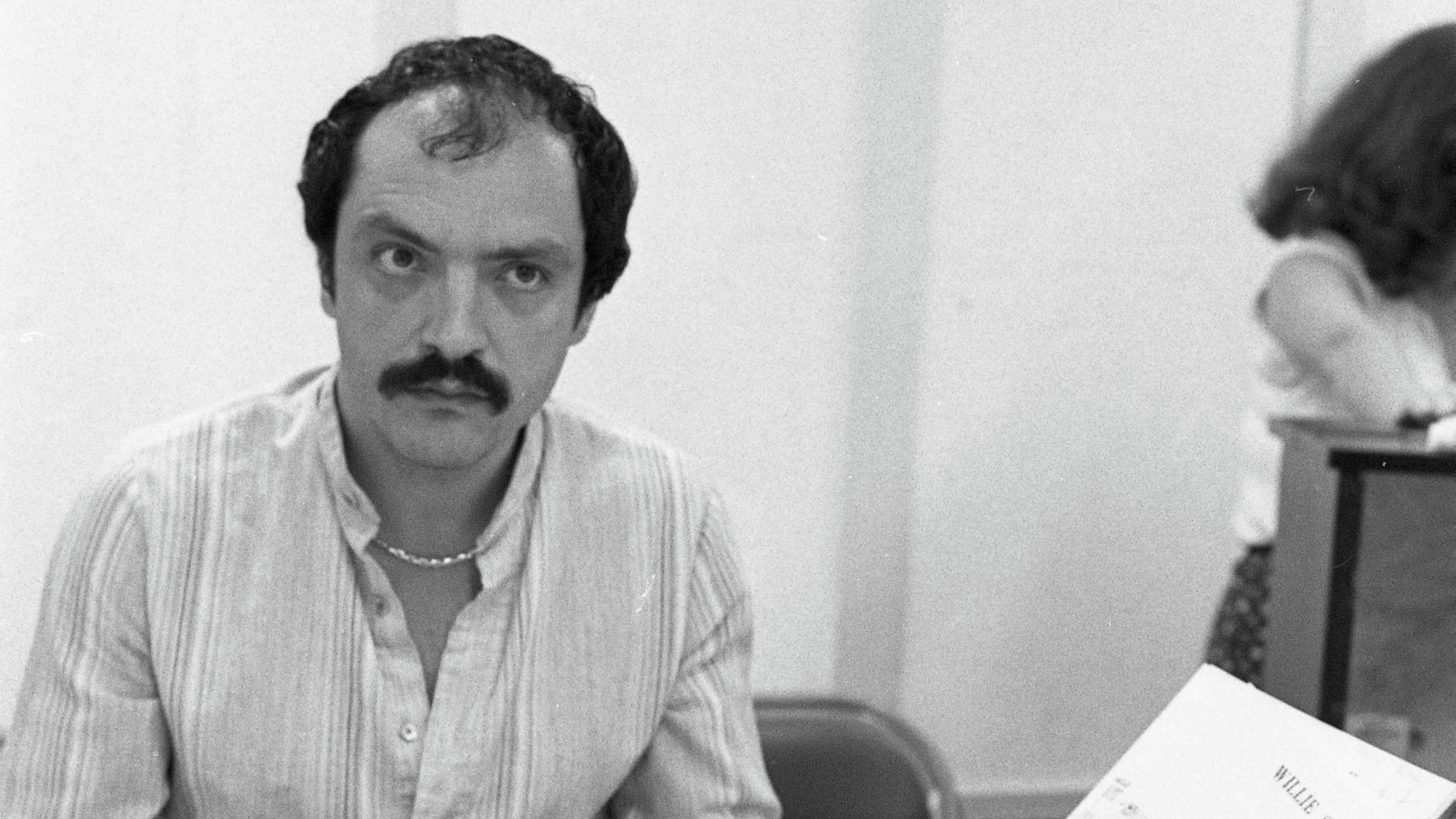
The production won a Tony, and the cast album was awarded a Grammy. Almost overnight, HGO was transformed from a regional company to a major operatic powerhouse, as DeMain soon discovered. “When I made my first guest conducting trip to Australia, I remember meeting the chorus master and assistant conductor. They said, ‘Oh, we have your recording of Porgy and Bess. It’s so fabulous!’ And that’s when I really got the feeling that Houston Grand Opera now had an international reputation. That’s because of Porgy.”