A World War I Playlist

Music-making is a central theme in Kevin Puts and Mark Campbell’s opera Silent Night, which Houston Grand Opera will stage in a new production beginning January 23. A fictional retelling of real events from World War I, the opera follows three platoons from France, Germany, and Scotland that call a truce on Christmas 1914. It’s music that serves as the catalyst for the ceasefire—the character Nikolaus Sprink, a German tenor serving in the army, sings to the Scottish troops on the other side, who answer back on their bagpipes.
Puts’s score is filled with instances of this kind of communal singing. The soldiers perform war anthems, folksongs, carols, and hymns—often raising their voices together with their enemies. In the poignant final scene, the German platoon, which is being shipped off to certain death, hums a nostalgic tune that the Scots taught them. Although all of these songs were newly created by Puts and Campbell, the opera is accurate in its portrayal of just how integral music was to a soldier’s experience during WWI.
Songs frequently served a functional purpose—soldiers would sing to keep in step while they were marching. Their lyrics could also inspire courage or boost morale. There were songs that lamented fallen companions, songs that bemoaned the misery of military service, and songs that conjured memories of home.
Most importantly, singing helped to relieve the utter boredom of trench warfare. With Franco-British forces locked in a stalemate with Germany along the Western Front, the conflict devolved into a war of attrition—that is, with both sides trying to wear down and outlast the other. Soldiers spent most of their days sitting around waiting for the occasional burst of combat. A familiar song was a welcome distraction and preferable to the din of distant bombing.
This playlist, a mix of historical and modern recordings, assembles some of the most popular songs of WWI. Three tracks are taken from each of the nations represented in Silent Night: Britain, France, and Germany. Although we in the present day can never fully imagine what it was like to fight in one of the bloodiest conflicts in human history, the lyrics and melodies of these humble soldier songs can help open a musical window onto the hopes and fears of the young men who sang them a century ago.
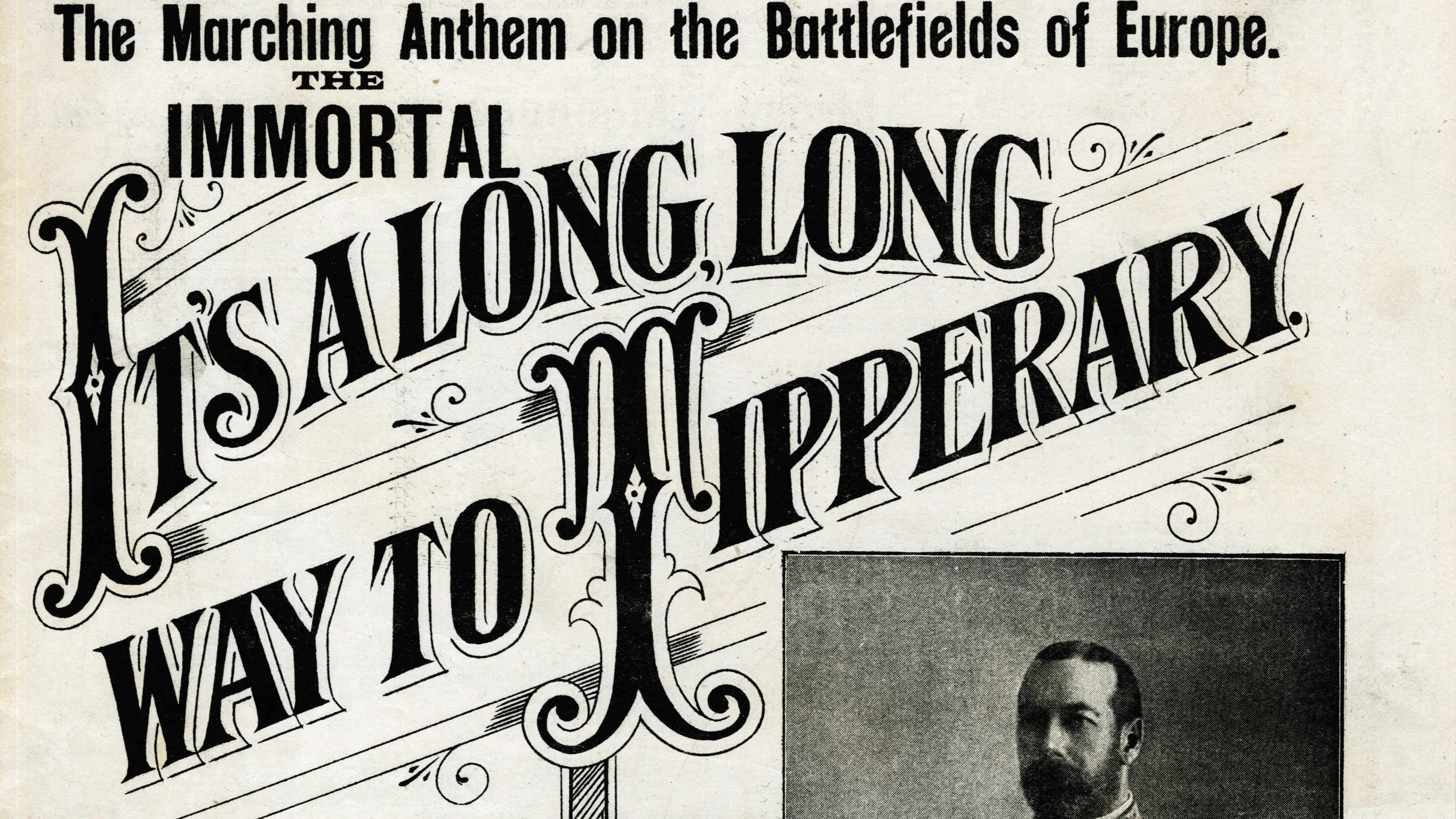
Jack Judge and Harry Williams:
“It’s a Long Way to Tipperary”
Composed as a music-hall ballad in 1912 by British songwriters Jack Judge and Harry Williams, “Tipperary” was by far the most popular song among British troops during WWI. The lyrics are written from the perspective of an Irishman living in London who misses his hometown of Tipperary. This sentiment would have resonated strongly with Irish soldiers serving in the British Army (at the time, all of Ireland was still a part of the United Kingdom). The song was recorded in November 1914 by Irish tenor John McCormack, who helped spread its popularity beyond Britain. By the end of the war, “Tipperary” had become a favorite of American, French, and even German soldiers.
Goodbye, Piccadilly,
Farewell, Leicester Square!
It’s a long, long way to Tipperary,
But my heart’s right there.
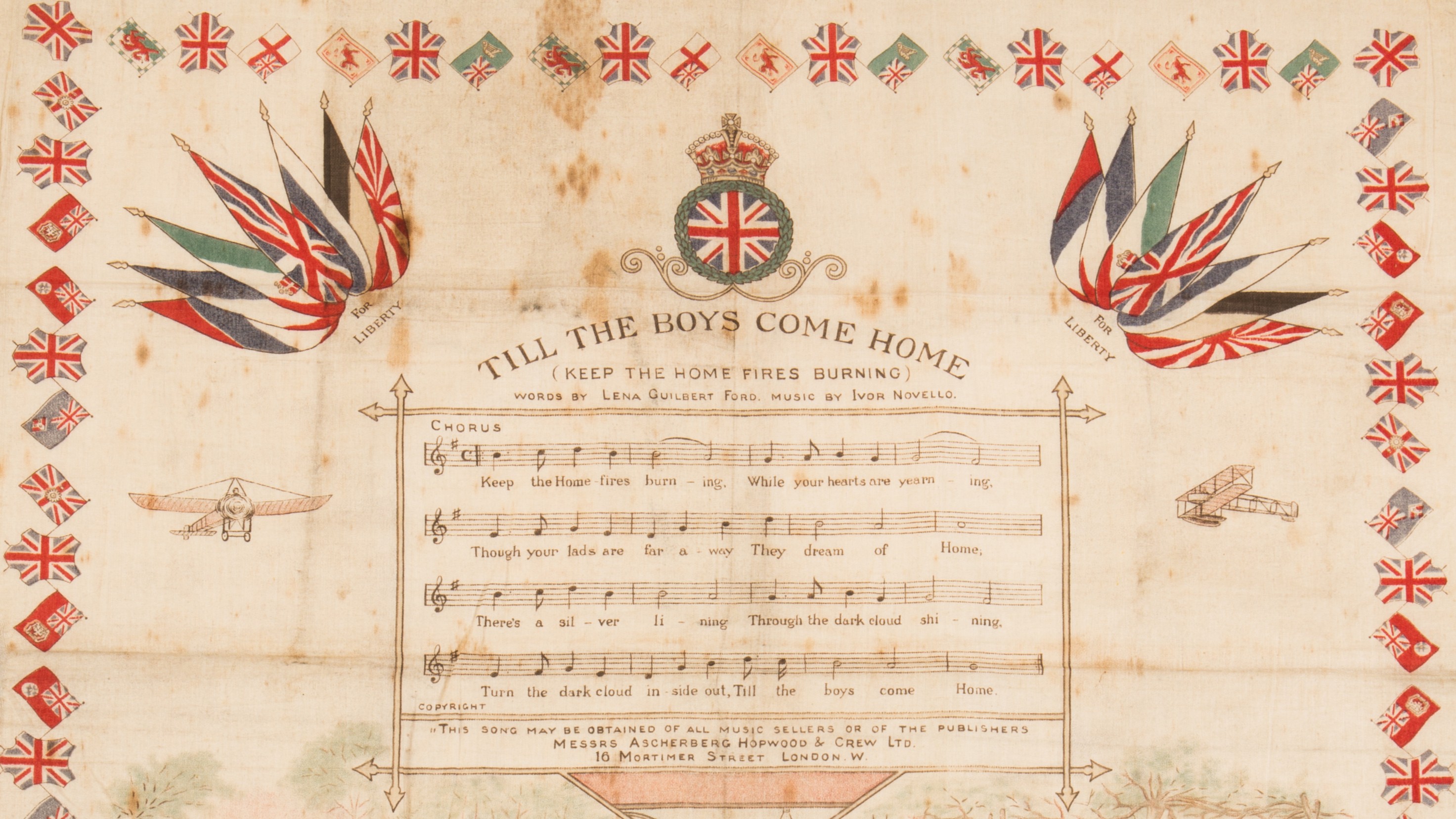
Ivor Novello and Lena Guilbert Ford:
“Keep the Home Fires Burning (Till the Boys Come Home)”
Unlike “Tipperary,” which was written before the war, “Keep the Home Fires Burning” was a direct musical response to the conflict. Created in 1914 by Welsh composer Ivor Novello and American lyricist Lena Guilbert Ford, the song reflects the typically British attitude of keeping a stiff upper lip. Ford’s lyrics are directed toward civilians on the homefront, encouraging them to stay strong for the sake of their young men fighting abroad. John McCormak, who recorded “Tipperary,” also recorded a popular version of “Keep the Home Fires Burning.”
Keep the home fires burning,
While your hearts are yearning.
Though your lads are far away
They dream of home.
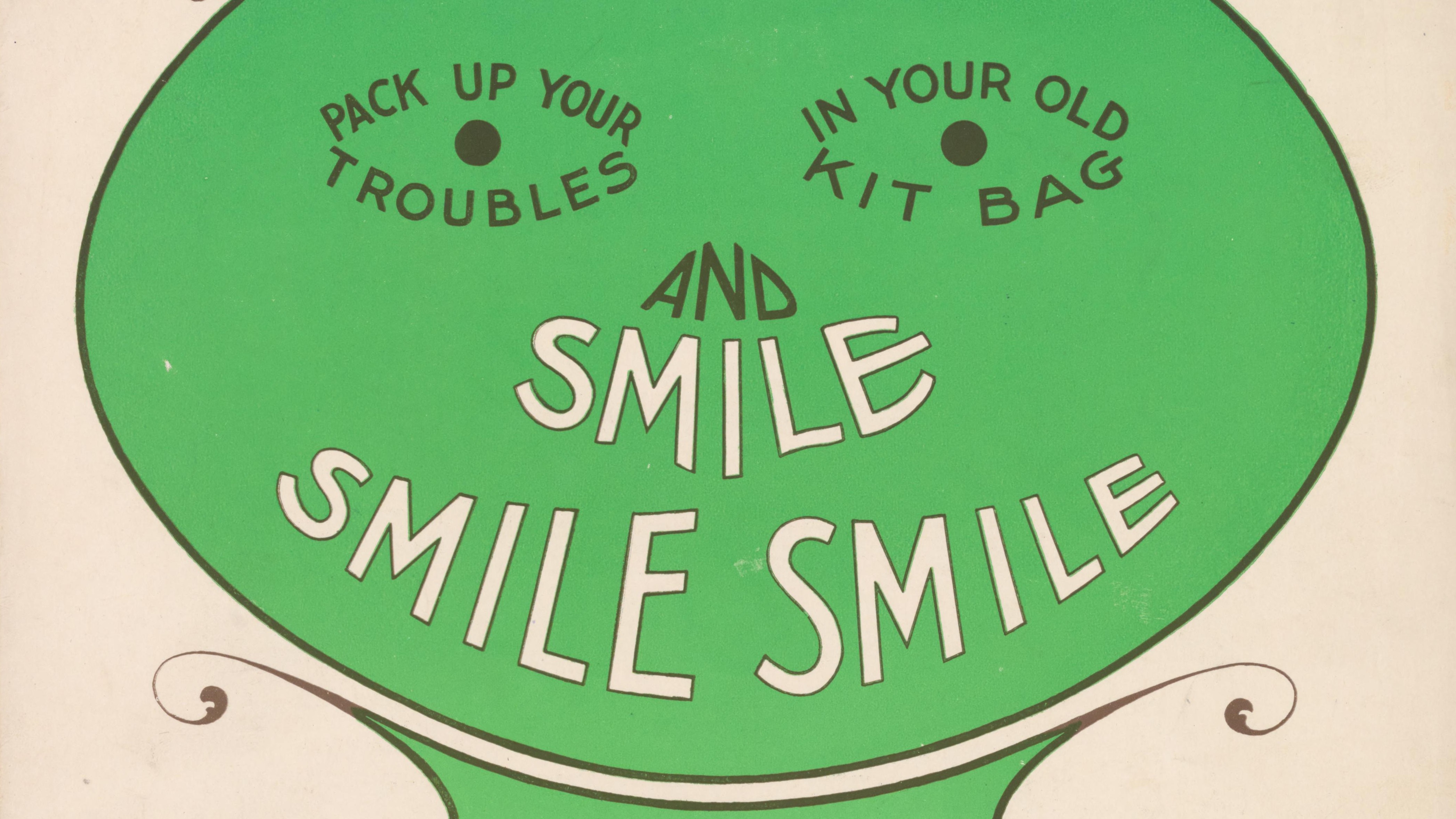
Felix and George Powell:
“Pack Up Your Troubles in Your Old Kit-Bag”
In this 1915 music-hall ditty, Welsh songwriting brothers Felix and George Powell introduced the character of Private Perks—“a funny little codger” with an unshakeable sense of optimism. Kit bags were duffle bags that British troops used to carry their equipment and supplies. The word “lucifer” in the refrain refers to a match, while “fag” is slang for a cigarette. In spite of the song’s plucky message, composer Felix Powell became deeply disillusioned with the war after touring to perform for British troops on the front.
What’s the use of worrying?
It never was worthwhile
So pack up your troubles in your old kit-bag,
And smile, smile, smile.
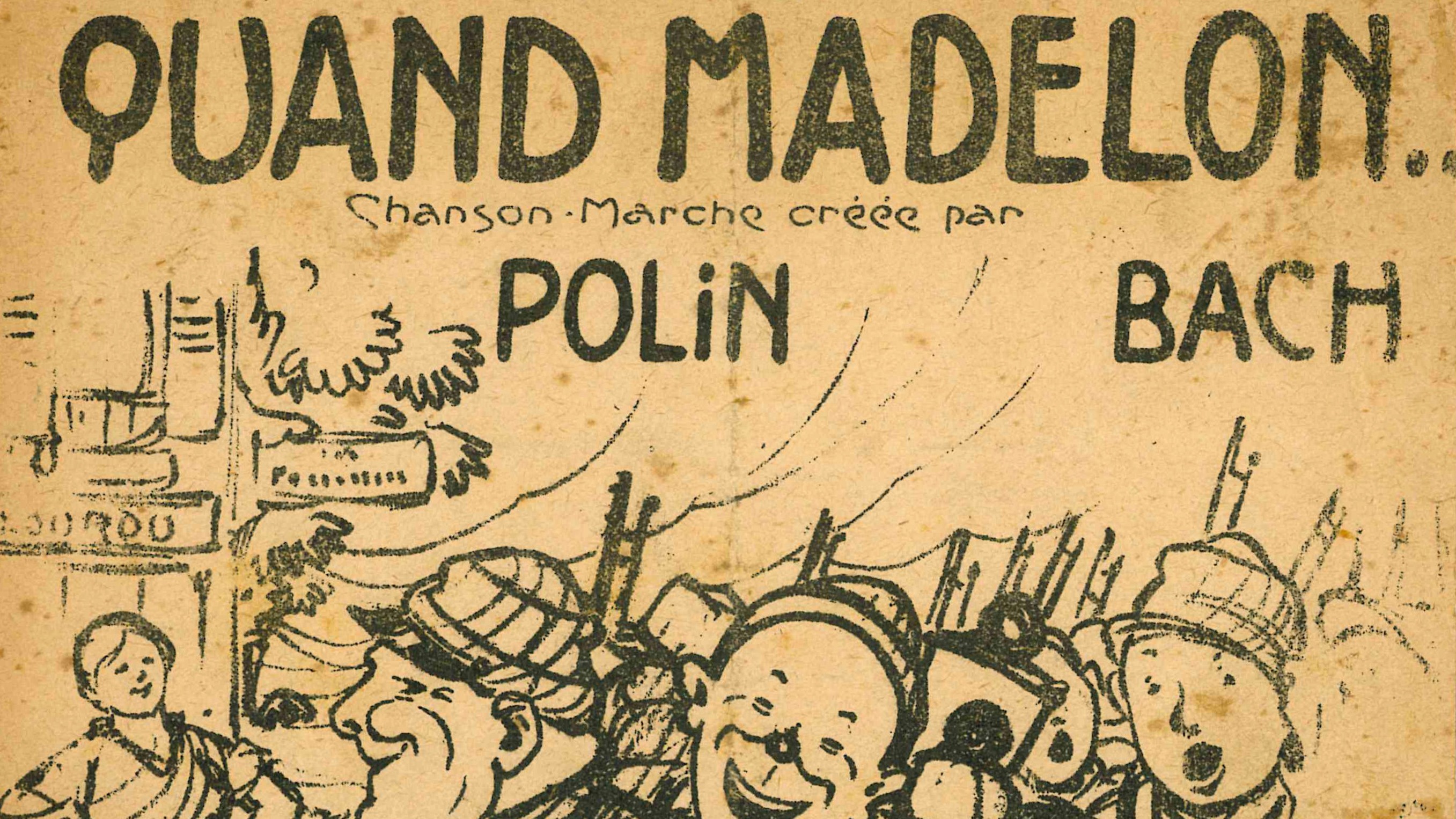
Louis Bousquet and Camille Robert:
“Quand Madelon…” (When Madelon…)
France’s answer to “Tipperary,” “Quand Madelon…” (usually referred to by the title “La Madelon”) came out of the Parisian café-concert scene in 1914. The song, by lyricist Louis Bousquet and composer Camille Robert, describes a pretty tavern waitress who serves drinks to admiring soldiers. It was written for the entertainer Charles-Joseph Pasquier, who performed military-themed comedy routines under the stage name “Bach.”
A soldier finds rest and pleasure
There, near the forest.
A house with ivy-covered walls,
“Aux Tourlourons” is the name of the tavern.
The waitress is young and pretty,
Light as a butterfly.
Her eyes sparkle like her wine.
We call her Madelon.
We dream of her at night and think of her all day.
She’s just Madelon, but for us, she’s love.
Adelmar Sablon and Anonymous:
“La Chanson de Craonne” (The Song of Craonne)
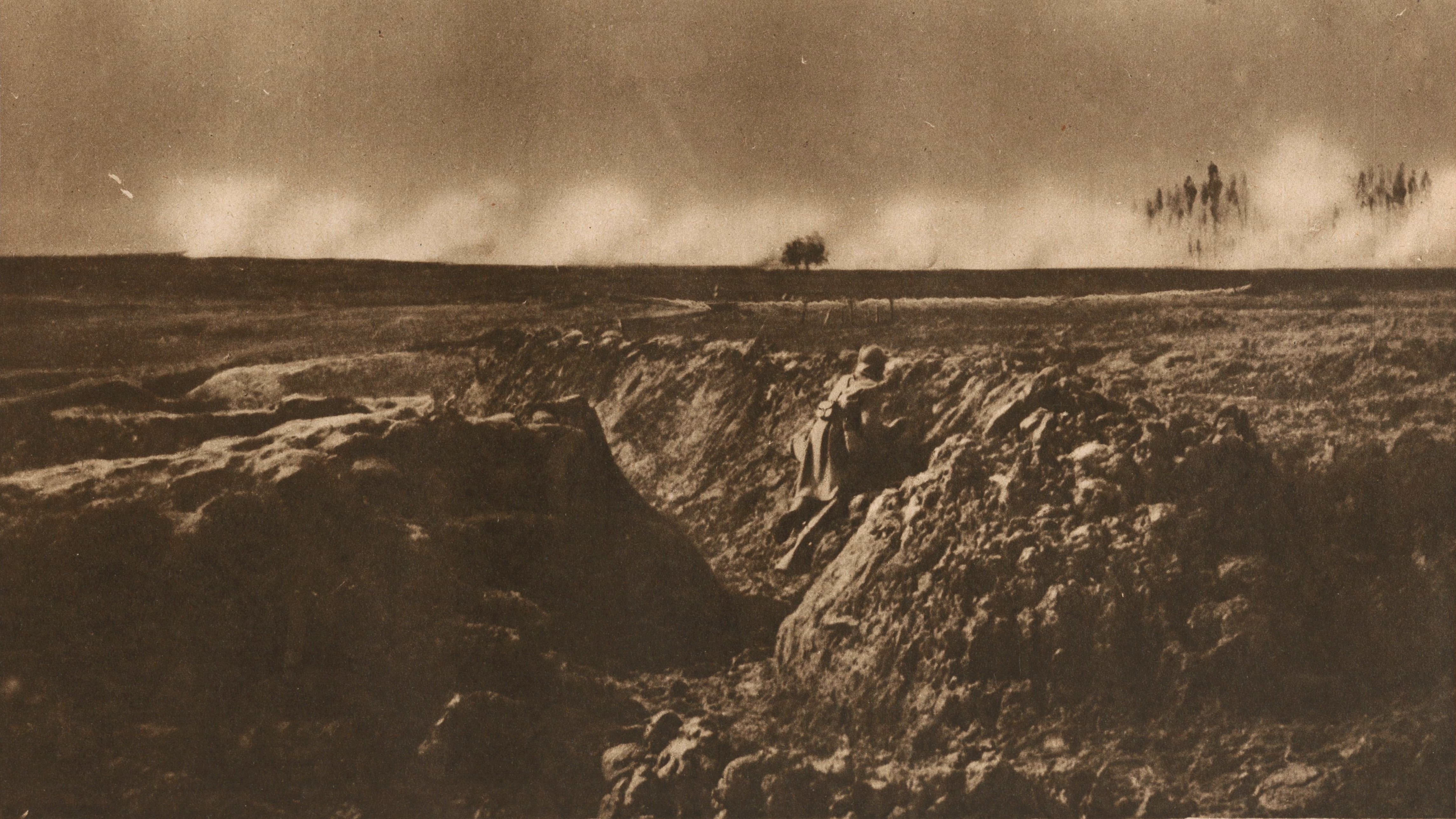
One of the more subversive songs of WWI, “La Chanson de Craonne” was connected to a series of French mutinies that occurred along the Western Front in 1917. The “Craonne” of the title is a village in northern France that was destroyed during the Nivelle offensive, the disastrous French campaign that led to the mutinies. The melody, borrowed from a 1911 song by Adelmar Sablon, is a pleasant waltz. But the anonymous lyrics express the suffering of soldiers in the trenches and their rage toward the men in power.
Adieu to life, adieu to love,
Adieu to all you women,
It’s all over, and forever,
This infamous war.
It’s at Craonne, on the plateau,
That we must lose our lives.
For we’re all condemned,
We are sacrificed.
Eugène Joullot, Jack Cazol, and René Mercier:
“Verdun! On ne passe pas” (Verdun! They shall not pass)
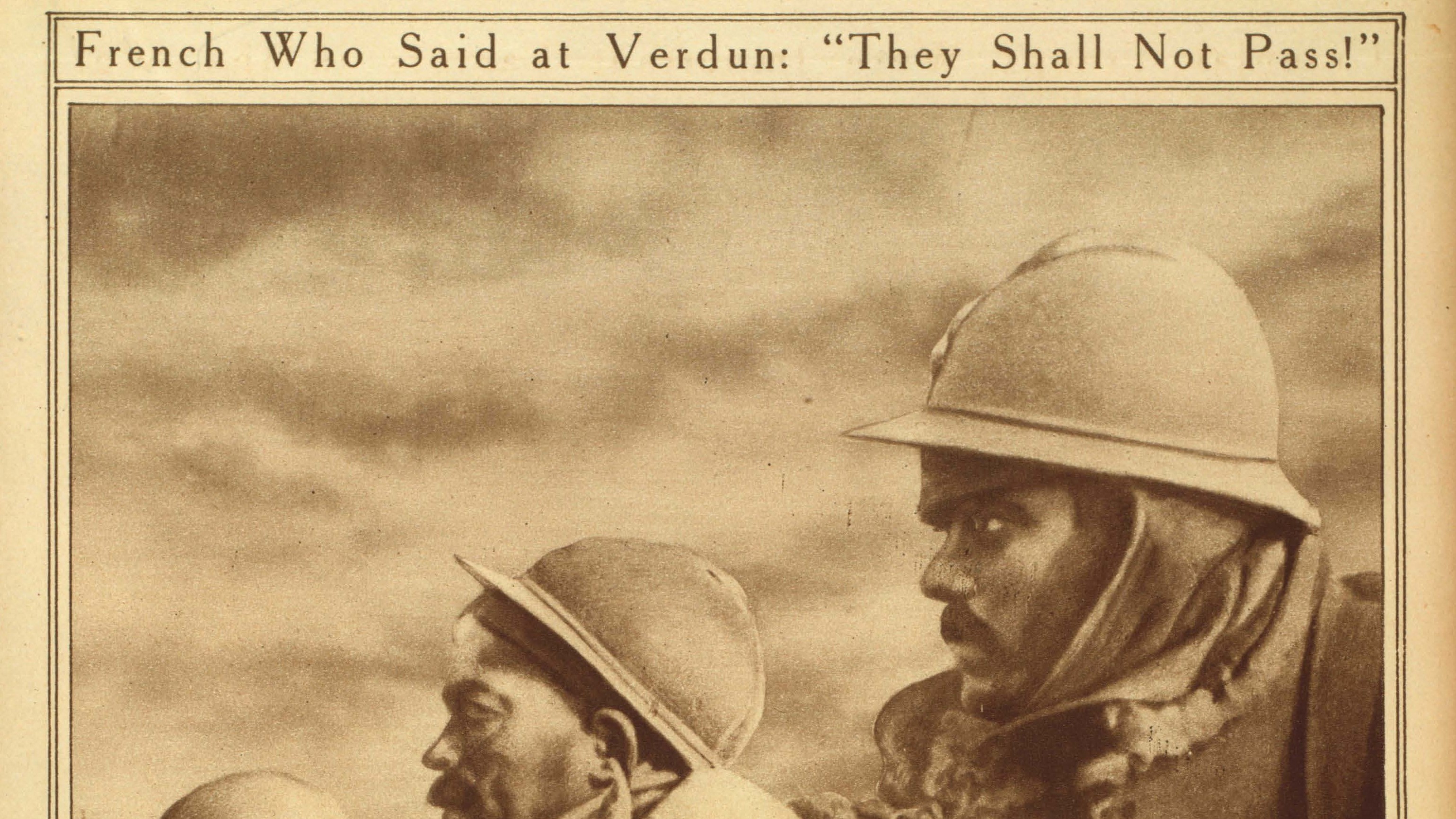
Like “Craonne,” “Verdun! On ne passe pas” references a town in northeast France. In 1916, Verdun was the site of a nine-month battle, during which the Germans tried unsuccessfully to push through the French line. The phrase “On ne passe pas,” meaning “They shall not pass,” became the rallying cry for the French as they held back the enemy back. Lyricists Eugène Joullot and Jack Cazol incorporated the slogan into their 1916 song, set as a rousing patriotic anthem by composer René Mercier.
And Verdun the victorious
Lets out a cry that’s carried afar
By the echoes of the banks of the Meuse:
Halt! You shall not pass!
Flee, barbarians and lackeys!
This is the gateway to France,
And you shall never pass!
Ludwig Uhland and Friedrich Silcher:
“Der gute Kamerad” (The Good Comrade)
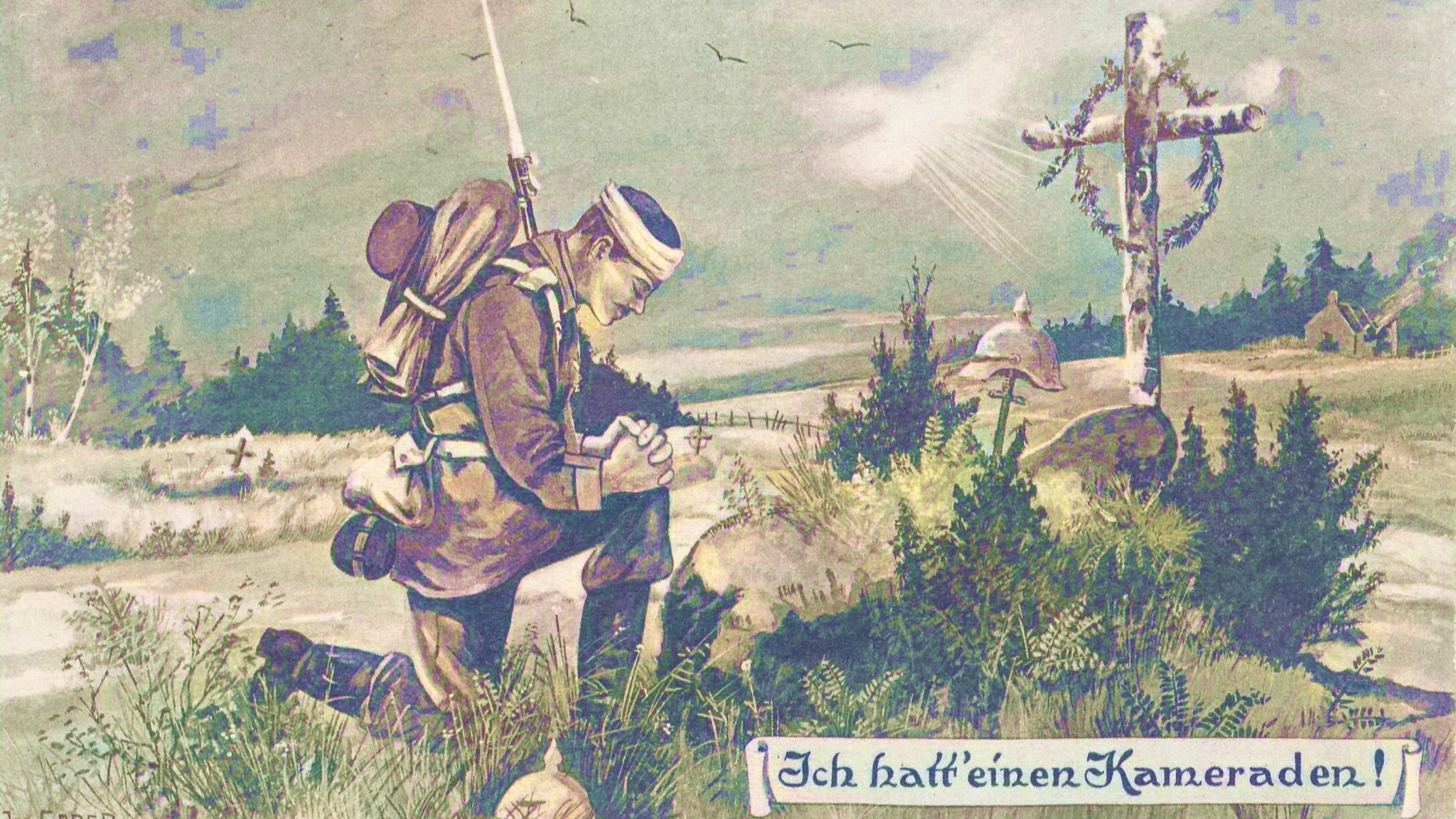
“Der gute Kamerad,” which pre-dates WWI by over a century, is a perennial soldier’s song that was sung by German troops throughout the 19th and 20th centuries. The poem by Ludwig Uhland was written in 1809 and set to music by Friedrich Wilcher, who based the tune on a Swiss folksong. Uhland’s simple yet poignant lyrics pay tribute to a fallen comrade, and to this day, the song is performed at German military memorial services.
I had a comrade,
You won’t find a better one.
The drum beat for battle,
He marched by my side
In step with me.
Max Kegel and Joseph-Denis Doche:
“Ich bin Soldat, doch bin ich es nicht gerne” (I’m a soldier, but I don’t like it)
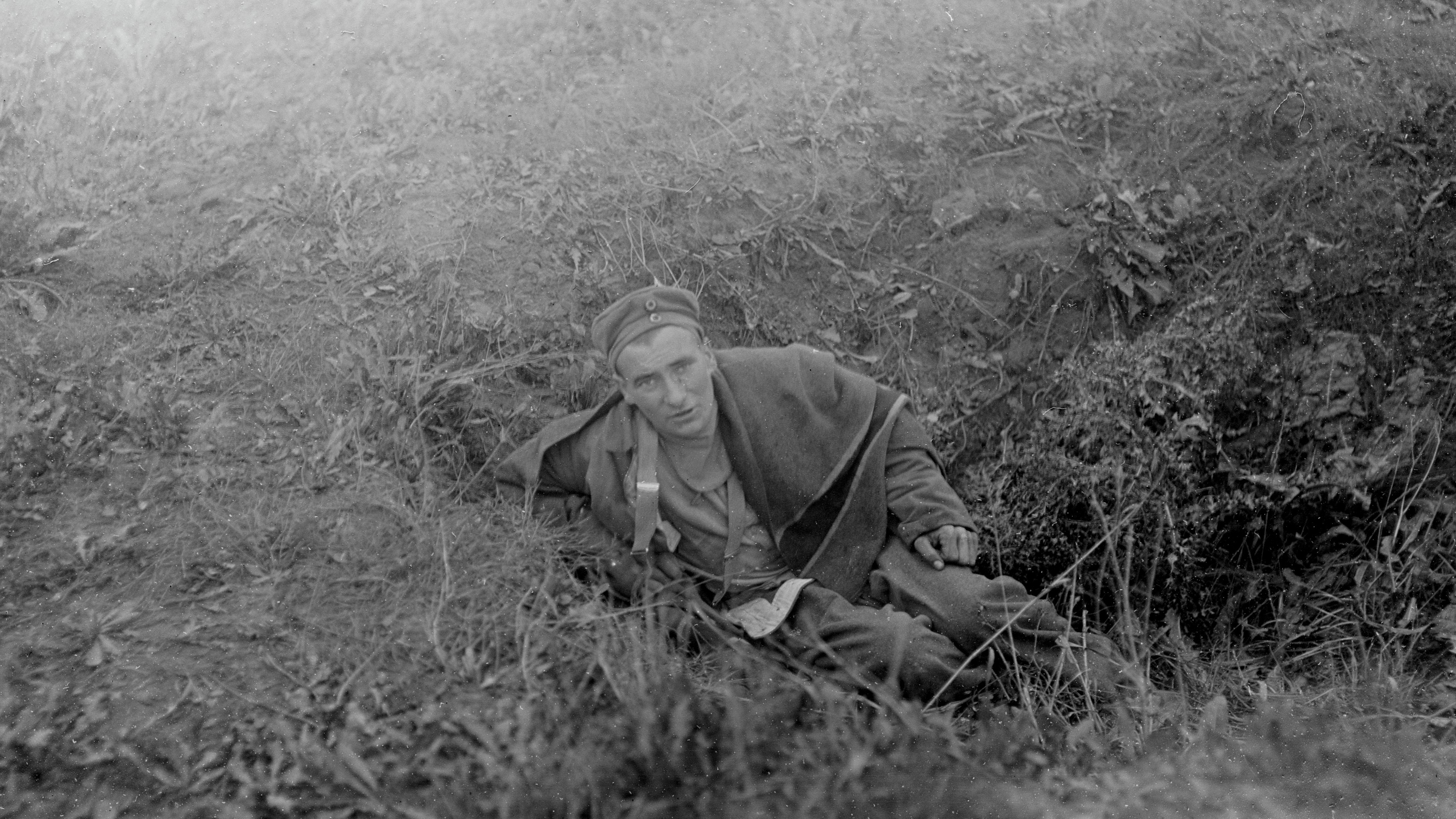
This anti-war song originally emerged from the German Socialist movement of the late-19th century. The lyrics, which are usually attributed to the Socialist poet Max Kegel, first appeared in print in 1870, and the tune was borrowed from an 1817 song by French composer Joseph-Denis Doche. During WWI, “Ich bin Soldat” was used by Socialist agitators to sow dissent within the army. One German veteran recalled that that in 1917, he received 14 days of confinement for singing the tune.
I’m a soldier, but I don’t like it,
When I became one, no one asked me to.
They dragged me away to the barracks,
I was captured, like a hunted animal.
Yes, from my home, from my sweetheart
I had to leave, and from my circle of friends.
When I think of it, I feel the pain of sorrow,
I feel the heat of anger burning in my breast.
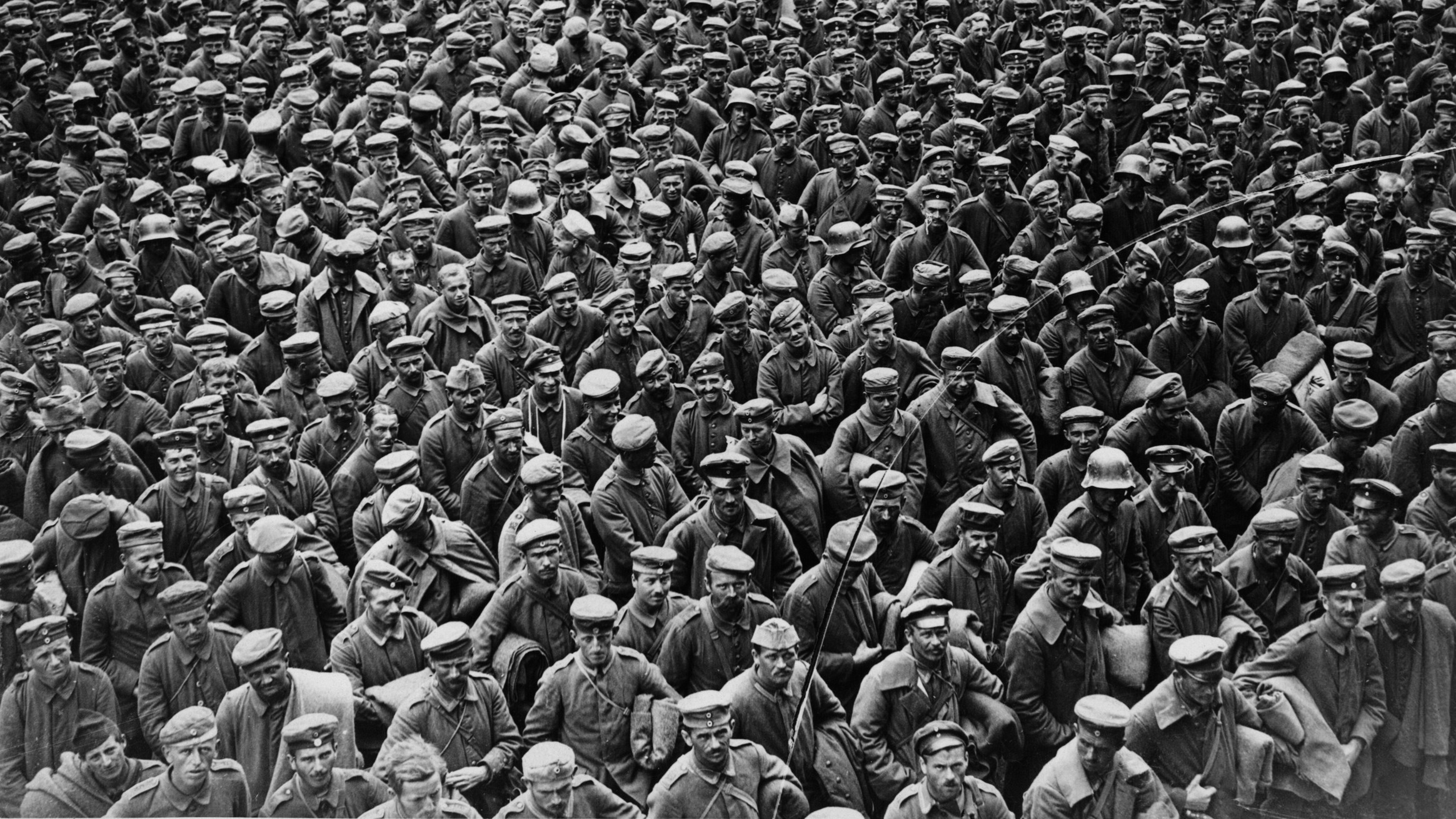
Walter Flex and Robert Götz:
“Wildgänse rauschen durch die Nacht” (Wild geese rush through the night)
One night, while serving as a volunteer in the German army, poet Walter Flex was profoundly moved by a flock of geese flying over the trenches. He immediately captured the experience in a set of verses that compare the migrating birds to the grey-uniformed German troops lined up on the Western Front. The text was published in 1916 and set in a folk style by songwriter Robert Götz that same year. Flex was killed in battle in 1917.
Wild geese rush through the night
With shrill cries, toward the north.
The way is perilous! Beware, beware!
The world is full of murder.