10 Rivalries That Shaped Art

We all understand opposition. Our own country and much of the world is as politically divided now as it has ever been, endlessly fueled by the internet’s facile anonymity, and these divisions are terribly sad and infinitely dangerous. Opposition should fuel positive change, though that doesn’t appear to be the way of modern politics. In art, though, opposing viewpoints have often yielded great things. Here are ten artistic rivalries that artistically enriched the world.
When we are lucky enough to stand in wonder at the Louvre to admire the Da Vinci Mona Lisa, or stand in the awesome presence of Michelangelo’s 17-foot statue of David in the Accademia in Florence, it is easy to forget how much the beauty of their art was fueled by their fierce enmity. The already-accomplished Leonardo da Vinci was 23 years the senior of Michelangelo, and so was naturally wary of the much younger and ostentatiously brilliant young man who was suddenly competing with him for commissions in Florence and Rome.
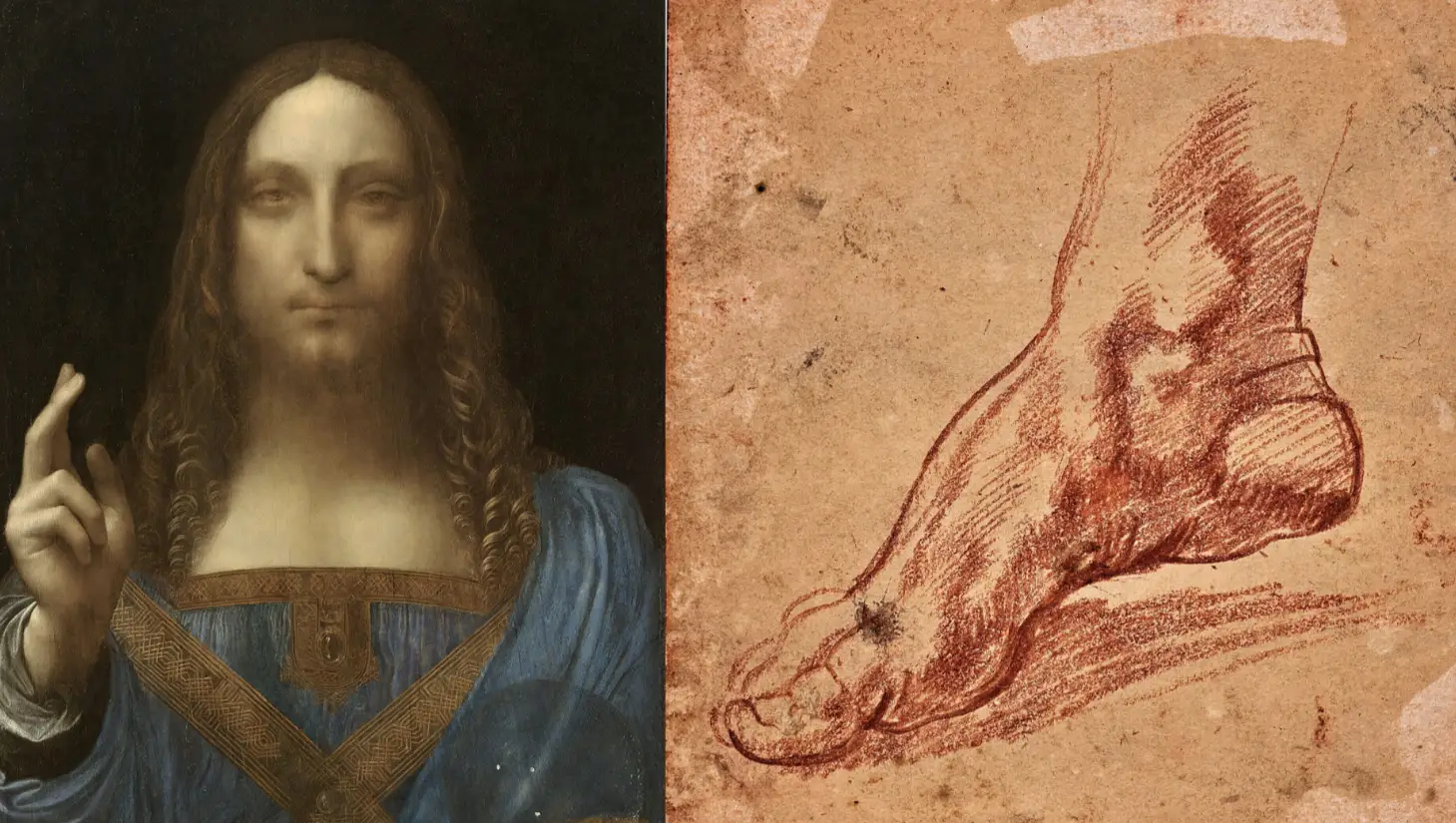
They disagreed about everything, from the nobility of painting over sculpture (fights that would later extend to symphonic music over opera) to the depiction of the male musculature. They had a famous fight on a Florentine street (Florence is small, then as now) over opposing interpretations of a passage of Dante. Their rivalry, difficult during their lifetimes, was a plus for us, because we have the magnificent results of their competitions. Da Vinci’s painting Salvator Mundi sold to the Saudi Crown Prince Mohammed bin Salman in 2017 for a whopping $450 million. More recently, in 2025, a small Michelangelo study of a foot—created in preparation for the Sistine Chapel ceiling—sold for $27 million.
But money, as tangible as it is, doesn’t really tell this story. Da Vinci felt that the highest aim of being an artist was to aspire to the perfection of nature, that the mathematical laws laid down by God were lying in wait for our discovery. For Michelangelo, nature was chaotic and violent—the perfection of God was to be found only within the vessel human body, and more specifically within the mind, which served the only possible source of perfection to him, the human soul. The essential struggle between these two world views—the perfection of nature vs. the perfection of man—lives on in every serious contemplation of art in every form, and in every private human struggle between illness and health. All of this from two guys who taunted each other’s views and fought over Dante.
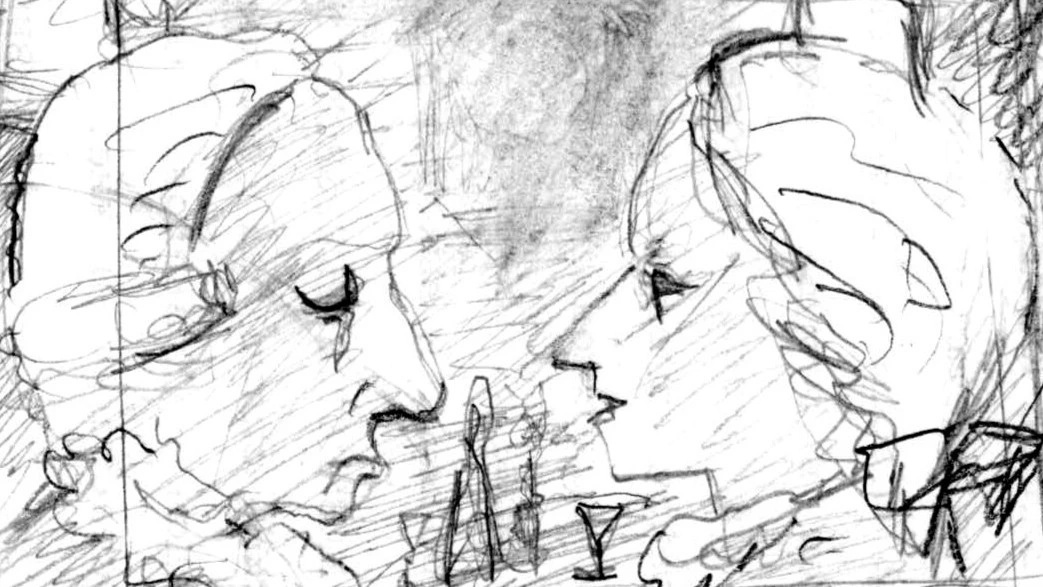
This rivalry provides the engine of the drama of Peter Shaffer’s successful play and the wonderful Miloš Forman film, Amadeus, an idea first explored almost a century after Mozart’s death in the 1898 one-act opera by the Russian composer Rimsky-Korsakov, Mozart and Salieri. Antonio Salieri was born in Legnano in 1750, and so was six years older than Mozart. Salieri was a servant in various forms of the Habsburg Court in Vienna for most of his long life, and he was enormously influential over the rich Viennese musical life of that time, both in the 37 operas he composed and in his success as a highly sought-after teacher, whose students included Beethoven, Schubert, and the eight-year-old Franz Liszt. Mozart even sent his youngest son, Franz Xavier, to study with him.
So, was there a rivalry between Mozart and Salieri? Many of Mozart’s letters to his father complain generally about Italians in the Hapsburg Court, and he was suspicious of Salieri’s influence over the decisions made about opera in Vienna. But Salieri clearly admired Mozart enormously, and in the final decade of his too-short life, Mozart would have heard hours of Salieri’s music in Vienna, so he couldn’t help being influenced by him. Salieri was a perfectly decent composer and masterful craftsman of music, while Mozart was one of the greatest musical geniuses to ever live, so it is hard to imagine much of a rivalry. When is the last time you heard a composition by Salieri? They appear, by all evidence, to have been mutually supportive of each other and friendly.
The rumors that Salieri had a hand in Mozart’s demise started shortly after Mozart’s death in 1791, and they upset the Italian composer enormously. At the end of Salieri’s life, in 1825, he supposedly confessed something about poisoning Mozart, but he suffered dementia for at least his final year, so no one knows what thoughts got mixed around in his aging mind. Mozart did not die of poisoning, but one must hand it to Peter Shaffer: Amadeus is such a brilliant story that it makes no difference whatsoever whether it is or isn’t true, and it illuminates Mozart’s genius in a very particular and moving way, as well as the pain of an artist like Salieri being aware of his own limitations.
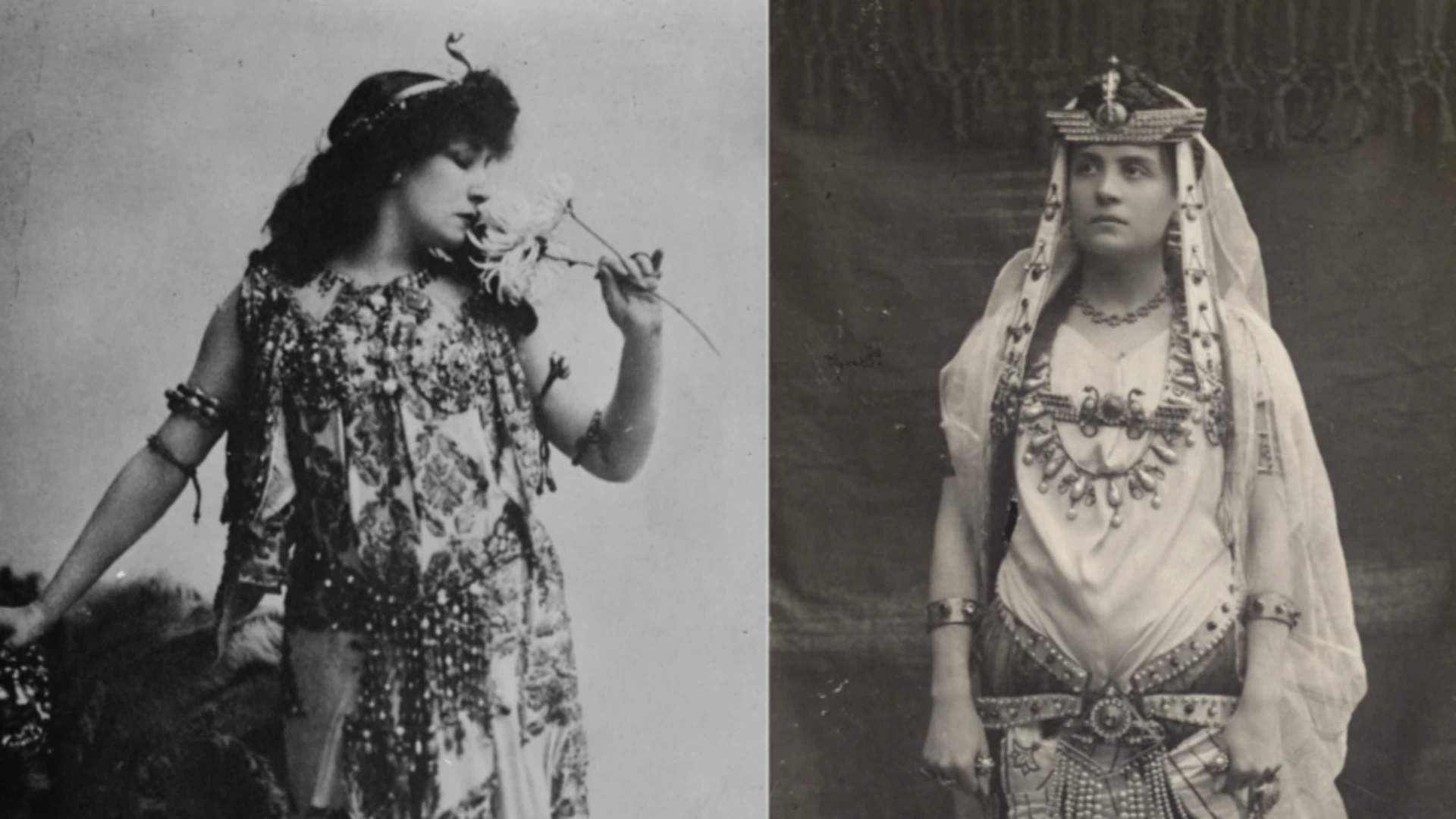
We owe more to this fascinating rivalry than we could probably ever know. These were the two most famous actresses of their era, with the French Bernhardt (1844-1923) as the long-established elder, and the Italian Duse (1858-1924) as the younger upstart. Their rivalry virtually invented the modern art of acting, and discussions of stagecraft to this day revolve around the same issues it entailed. Bernhardt was considered the greatest exemplar of centuries of theatrical traditions of both the spoken theater and opera, which was essentially the mastery of a set of poses that represented emotions. It is worth remembering that Bernhardt was an absolute sensation for decades, playing a huge variety of roles, including the play La Tosca, on which Puccini’s opera was based. She played several male roles, including Hamlet, and was most famous for The Lady of the Camellias, the play on which Verdi’s La traviata was based, with its heroine, Marguerite Gautier, later immortalized by Greta Garbo in Camille.
Enter into this reality the stunning Italian actress Eleonora Duse, famed from her youth for her riveting acting in the plays of Gabrielle D’Annunzio (later a war hero for Italy in WWI and one of Duse’s lovers) and Henrik Ibsen. Duse dared, in the opinion of many, to take on the famous Lady of the Camellias role made so famous by Bernhardt, and she, too caused a sensation. Audiences flocked to see Duse, who toured the United States in the part just as she had played it in London: speaking in Italian with everyone around her in English. In London, there was even a moment when audiences could see Bernhardt and Duse in the play in theaters across the street from one another. The rivalry was intense because the public could not get enough of either.
The public’s fascination centered on Duse’s completely different approach to acting. Duse indulged in none of the theater’s long traditions, the poses, upheld with such loyalty by Bernhardt. Duse felt that her own soul should disappear into the character, that she must personally feel the emotions of a character in order to convey those feelings to the audience. Early cinema reflected these two trends, and as cameras improved, it became necessary for actors to abandon the old styles of acting because the camera picked up every emotion. The rivalry between these two greats created the modern art of acting. When Duse toured as Camille to Colorado’s mountain towns, the miners flocked to see her, but they found her name challenging to pronounce in Italian (DOO-zuh). The way they lovingly said her name sits in the American lexicon to this day, when we try to find a word for something fantastic: a “doozy.”
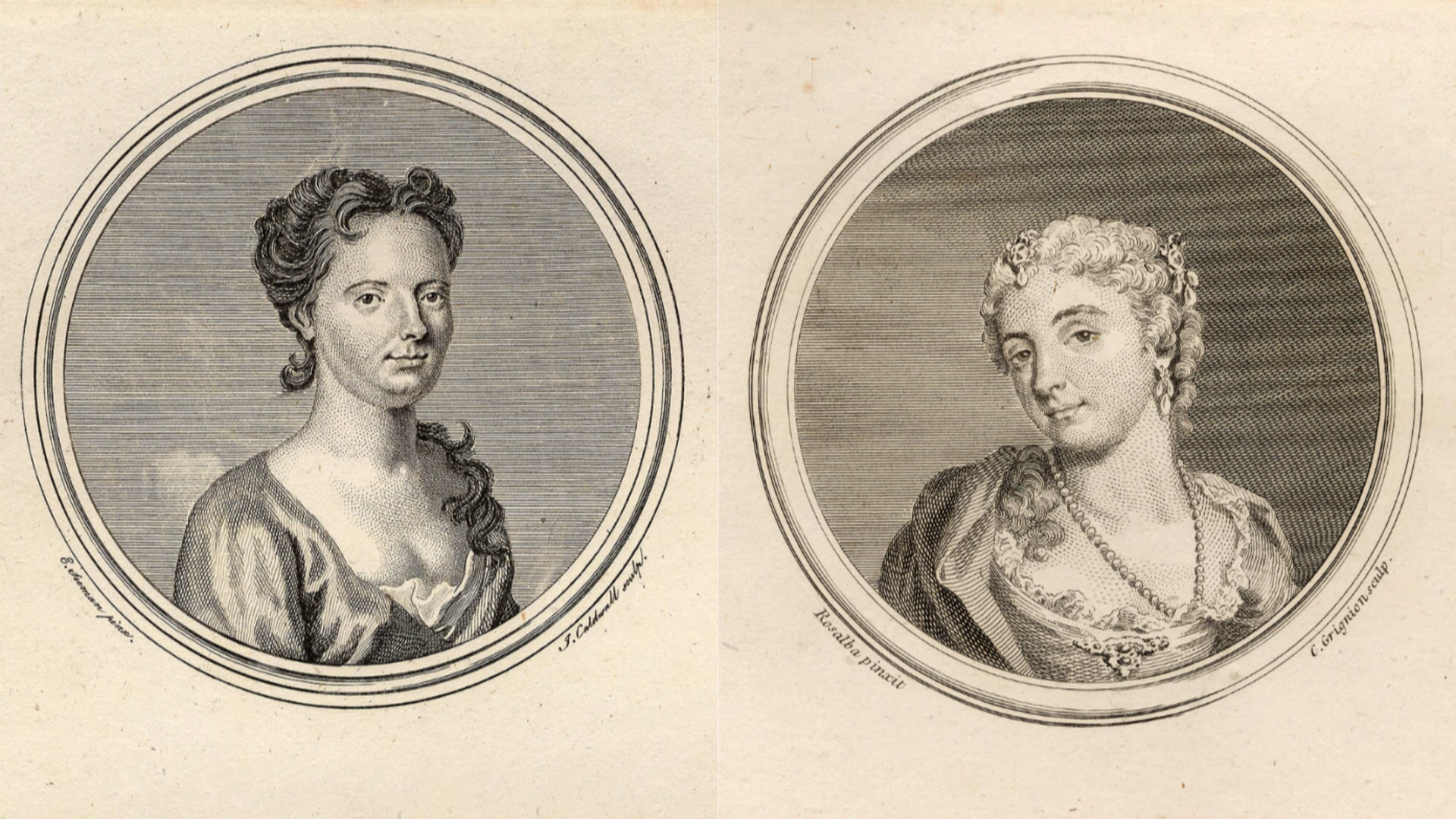
This 18th century singer rivalry gave Baroque opera some of its greatest music—and opera would never have developed as it did without these two sopranos competing for attention. Cuzzoni (1696-1778) and Bordoni (1697-1781) were two Italian sopranos, close in age, and both in competition for the attention and talents of George Frideric Handel, who hired them both for his own operas, and lavished glorious music on both. They sang together in Venice on two occasions, in 1718 and 1719, before both decamped for London and the heyday of Handel’s Royal Academy of Music, which eventually transformed into the Royal Opera House, Covent Garden, still the premiere opera company of London.
Cuzzoni was the creator of nine Handel roles, each of them extraordinary, and several of those roles, even these 300 years later, are still sought by star sopranos—roles like Cleopatra in Giulio Cesare and the title role of Rodelinda. Bordoni’s voice was slightly lower than Cuzzoni’s, a range we would now call a mezzo-soprano, a voice type that didn’t fully exist in Handel’s time. Bordoni was married to a rival composer to Handel, Johann Adolph Hasse, incredibly popular and powerful at the time, almost totally forgotten now, despite being the very industrious composer of 70 operas.
Their rivalry ignited many composers besides Handel, and by the mid-late 1720s, it became more physical: rival groups of London opera fans rioted in 1727 in adjacent theaters each presenting an opera starring the rivals. Bordoni never returned to London, and she lived a long time for the era, long enough to meet the young Wolfgang Amadeus Mozart in 1769, when the composer was 14. Cuzzoni died in obscure poverty. These two lost voices helped create so much marvelous music; we owe them a great deal. Wouldn’t that surprise them?
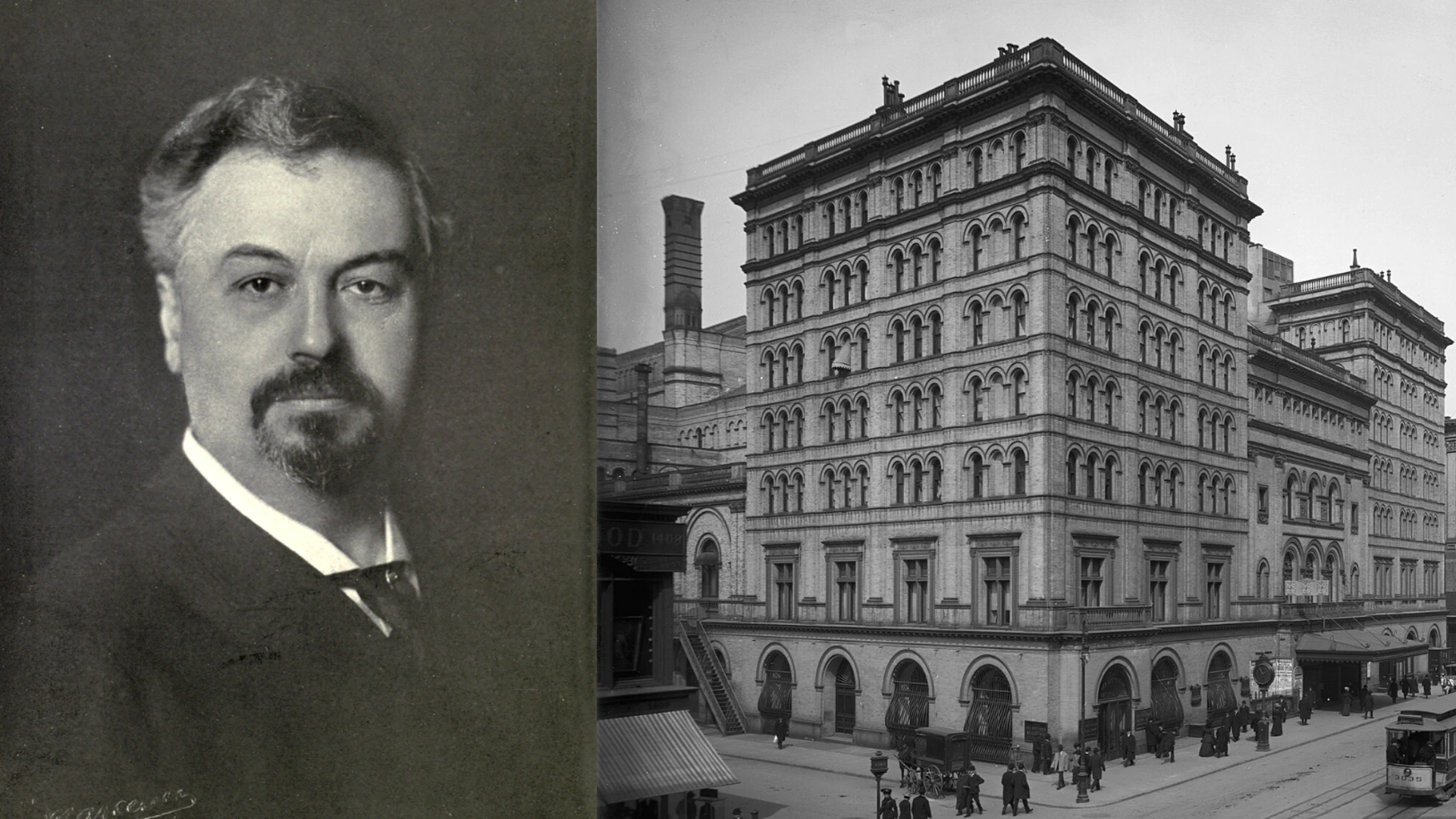
Opera in the United States owes a great deal to Oscar Hammerstein I’s epic rivalry with the Metropolitan Opera. Hammerstein I was a first-generation immigrant to the United States, born in Stettin, Prussia, and was the grandfather of the still-famous Hammerstein II, the literary poet of the Rodgers and Hammerstein hit-making machine. Oscar Hammerstein I, who made his fortune selling cigars, thought the young Metropolitan Opera (founded in 1883) to be too staid and Euro-centric, so he set out in 1906 to build a rival company, the Manhattan Opera Company, on 34th Street, around the corner from the 23-year-old Met.
Hammerstein was very successful for a few years, and it is incredible to think that the first American performances of Pelléas et Mélisande, Elektra, Thaïs, and the most popular opera of the era, Louise, appeared in Hammerstein’s company, not at the Metropolitan. Hammerstein’s famous grandson, Oscar II, loved opera but was also wary of the form, because every time his grandfather would speak of opera, he knew they would be poor. Hammerstein I competed so successfully with the Met that the Board of the Metropolitan offered him in 1910 the extraordinary sum of $1.2 million dollars if he promised not to produce opera in New York for a decade. The rivalry between the two companies ended up strengthening the Metropolitan.
This star-soprano rivalry is relatively forgotten now, with the mystique of Callas maintaining a vast public profile since her death nearly half-a-century ago in 1977. Tebaldi is certainly remembered and treasured by opera fanatics, but Callas still symbolizes opera to people who’ve never attended one. Tebaldi was born in 1922, a year before Callas, so they were direct contemporaries. In the 1950s, especially, they represented two very different approaches to operatic performance, each valid in their own ways, but each creating an inevitable public comparison, because they sang a lot of repertoire in common. What was the actual rivalry? Tebaldi had a ravishingly beautiful voice, warm and opulent, and she could hold a theater breathless with sheer tonal extravagance. Callas did not have a traditionally beautiful voice at all, and she didn’t mind sacrificing tonal beauty for dramatic effect, something Tebaldi would never have done. For legions of fans, especially gay men, Tebaldi was the anti-Callas—and vice-versa.
Listen to the two sopranos sing the great aria from Verdi’s La forza del destino, “Pace, pace mio Dio,” and hear their different approaches. Tebaldi’s is vocally thrilling and quite moving, but there is a coolness to her approach. Callas’s version throbs with wild passion, and she seems to will the character to life in a moment of terrible desperation. Both sopranos are marvelous, but they could not be more different. Other operatic rivalries were created for publicity, but not real: Pavarotti and Domingo—who were good friends—and Beverly Sills and Joan Sutherland, who enjoyed each other enormously, with Joan always calling Beverly by her pet name (Australians are famously good at nicknames): “Silvery Bells”.
The Callas/Tebaldi rivalry, which felt so vicious to the two sopranos, was ultimately good for opera, as the energy of their different approaches got many people talking about what opera was about.
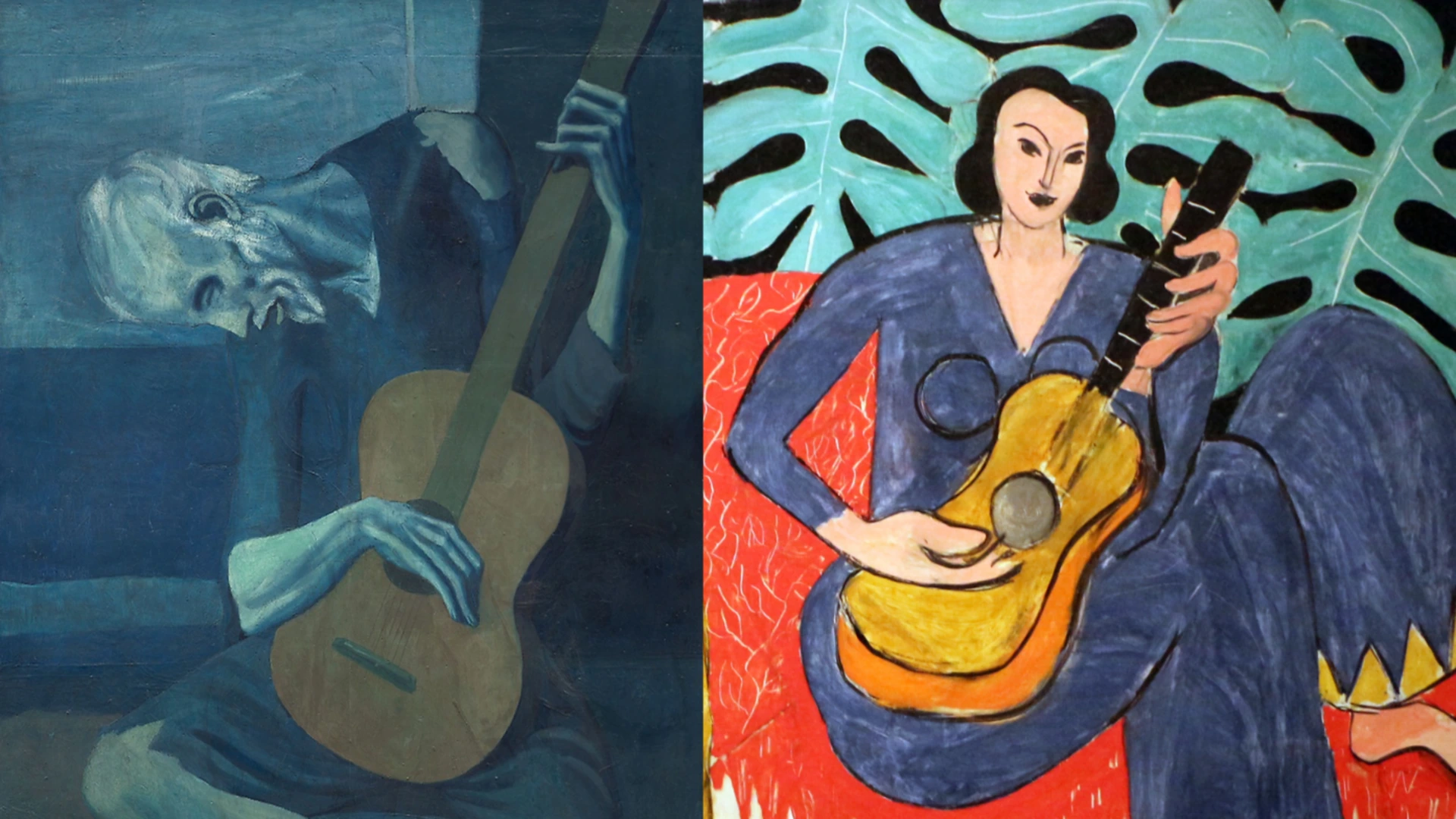
This was a friendly rivalry, but often very heated—and what treasures were left in its wake. As artists, they were obviously very different, but it is hard to pinpoint exactly what fueled their divisions. Picasso was an avowed atheist, and he took great umbrage when Matisse accepted a commission to paint the Chapel in Vence. Matisse was the elder, born in 1869 and living until 1954, while Picasso lived from 1881 to 1973. Matisse may simply have felt paternal toward Picasso, thinking him too revolutionary for his own good. At the dawn of the 20th century, as each artist found his pathway, they openly disliked each other’s paintings, but they also spurred each other to explore the same subjects. They sometimes even had identical titles for paintings, which one can scarcely imagine any other two rival artists doing.
With the benefit of hindsight, Matisse looks like the traditionalist and Picasso the abstract bad boy, but in their lives they were both considered revolutionaries. Their rivalry perhaps stemmed from them both knowing they were going to stand for modern art in the 20th century, a responsibility they took seriously—and if that took some heated debate, that was a burden they accepted. They were, incredibly, introduced to each other by Gertrude Stein, the American ex-patriot who had the most avant-garde and desirable salon in Parisian artistic circles. The two kept trying to outdo each other, and we are the beneficiaries: Matisse created about 1,000 works of art, while Picasso was extraordinarily prolific, creating a nearly-unbelievable number of pieces, tens of thousands of them, each of them still prized. Picasso’s Les Femmes d’Alger still holds the record for the sale of a 20th century painting, selling for $179.4 million in 2015.
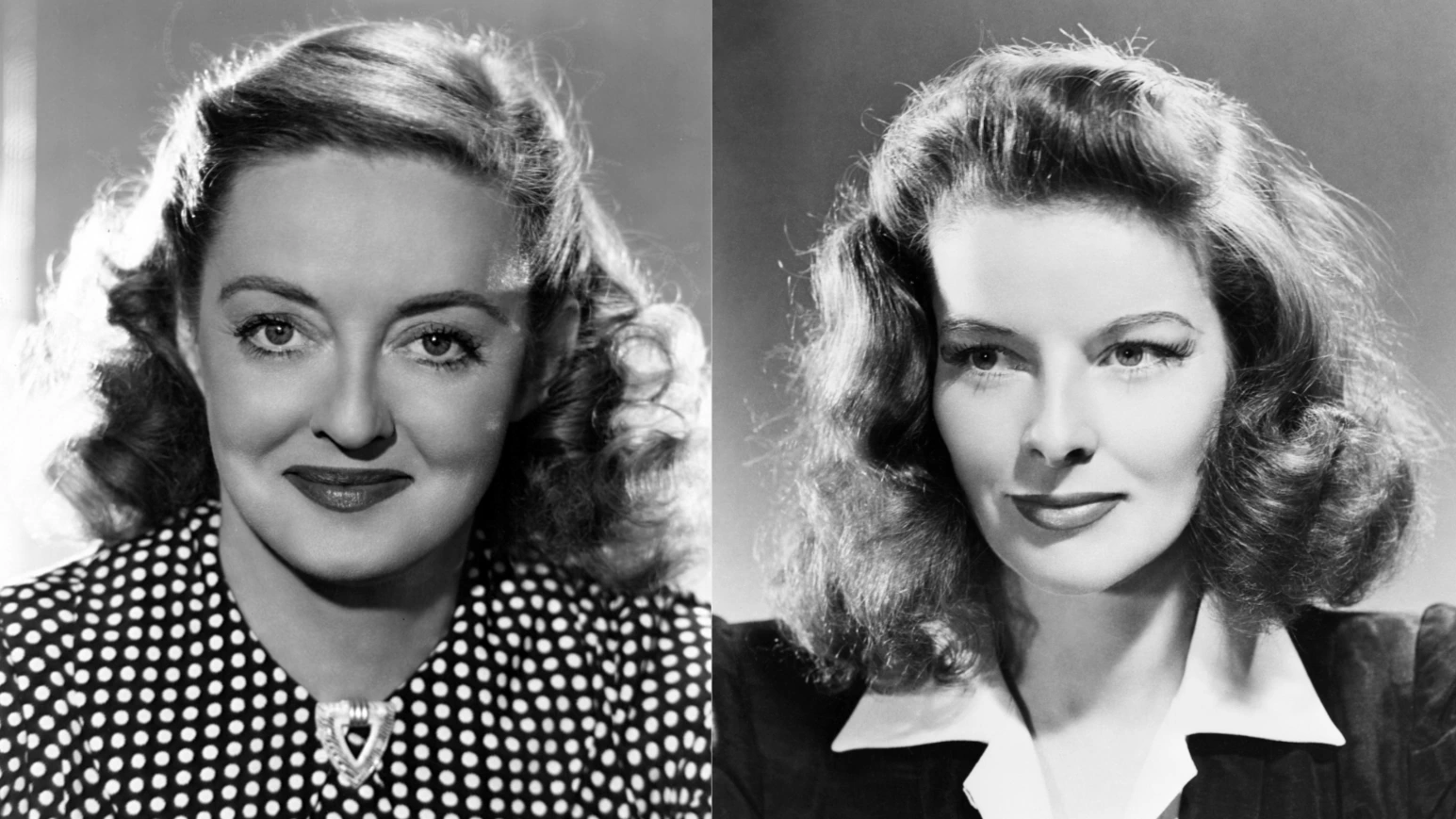
These grand old ladies of Hollywood not only both survived into old age, but kept working and ended up admiring each other. Much was made of the rivalry between Joan Crawford and Davis, mostly from besotted gay men obsessed with the only movie they made together, the hilariously camp Whatever Happened to Baby Jane? But the real rivalry was a generation earlier, between Hepburn and Davis, who worked for competing studios. Davis openly admired Hepburn: “I always wanted to have Katharine Hepburn’s gorgeous face,” she told Johnny Carson on The Tonight Show.
They never worked together, though Davis kept trying to get Hepburn to star with her in Ethan Frome. Hepburn shared the screen with a star actress very rarely, although she did so memorably with Elizabeth Taylor in Suddenly Last Summer. They did, however, share a role—both played Mrs. Moffatt, the iconic schoolteacher in The Corn Is Green, Davis in 1945 and Hepburn in 1979. In the 1980s, after Hepburn won her fourth Academy Award (still the record for the most wins for acting), Time magazine tried to arrange a photo of the two iconic actresses together one last time, but Hepburn canceled the session hours before it was to occur.
The rivalry between the two iconic conductors of the early 20th century was not so much a feud as a perfect illustration of the Apollo and Dionysus approach to art. Though he wasn’t the inventor of the idea, it was the German philosopher Friedrich Nietzsche who brought Apollo and Dionysus into the public consciousness, where they have remained. Apollo was the Greek god of order and intellect; Dionysus the god of pleasure and spontaneity.
The Toscanini/Furtwängler divide was less a personal feud as it was two completely opposing approaches to music that has no simplistic explanation but in short could be understood as this: Toscanini felt there should be a total fidelity to the score, and that music had an essential tempo into which all of its innate expressions would come to light. Furtwängler approached music very differently, with the score being the starting point of a spiritual odyssey led by the performers, and the conductor of a symphony or opera had to have the expressive freedom for spontaneity in performance.
Furtwängler reveled in sending surprises to his orchestras, whereas Toscanini would never present an unrehearsed idea. For Toscanini, musical performance itself was a strict reverence for the created music; for Furtwängler, the created music was the pathway to total freedom, and strictness was, for him, pedantry. There are endless examples of this: listen to the first movement of the Beethoven Eroica Symphony, his third. In Toscanini’s performances, of enormous musical energy, there is a drive forward, and no change of tempo when the music presents a possible change of expression; in Furtwängler, every section of the movement is in a different tempo. Their approaches could not be more diverse.
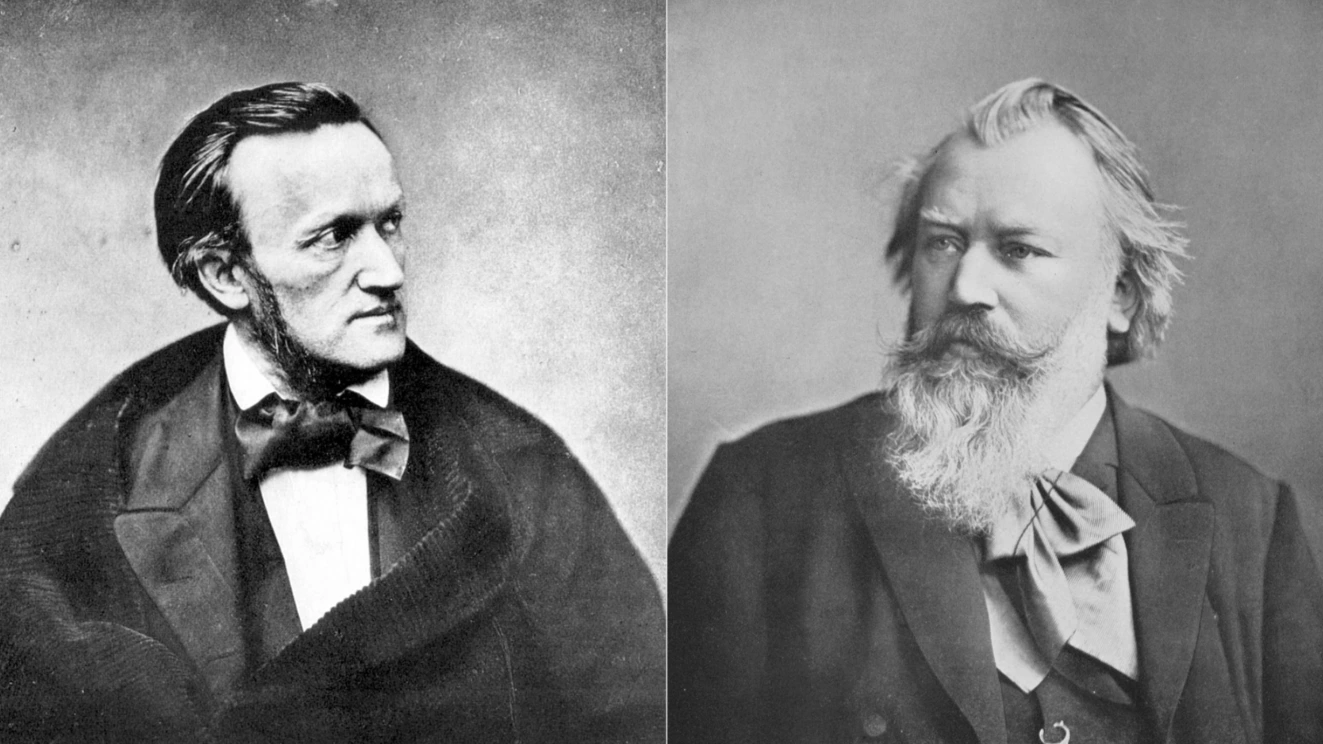
To be fair, Wagner was the common denominator of a great many artistic rivalries in his time, as he was not the sort of person who would have willingly gotten along with any other composer, but he saved a special enmity for Brahms, which Brahms returned in kind. Much is made of the differences between Verdi and Wagner, born in the same year, both dominating opera in their own times, as they still do. But there was little rivalry between Verdi and Wagner; they never even met. Wagner was jealous of the money Verdi made, but he didn’t consider Verdi’s operas to be serious enough to rival his own.
The rivalry that was meaningful at the time, and which yielded incredible music on both of its opposing sides, was the canyon of interpretation that existed between these two dominant figures of 19th century music. Theirs was the “war of the Romantics,” and opera was the essential stumbling block between them. Brahms believed music should adhere to classical traditions, that German music in particular should honor the legacies of Beethoven, Mozart, Schubert, and Haydn, and that pure music—music not dependent on dramatic narrative—represented the highest artistic ideal. Setting poetry was acceptable to Brahms, as his glorious choral works make clear, but opera was not.
Wagner, just as obviously, believed in total works of art—his famous Gesamtkunstwerk—and that the highest fulfillment of art could only be found by a return to what he considered the lodestar of all art, the ancient Greek plays of Aeschylus. Wagner wrote mostly vocal music, and only his vast music dramas (which he refused to call operas), interested him, representing a return of German art to its heroes from ancient history: Hans Sachs, Lohengrin, Tristan, Tannhäuser, Parsifal, and the central work of his life, the Ring cycle, which centered on the life and ancestry of the hero Siegfried. Wagner found Brahms staid, conservative, and pedantic; Brahms found Wagner talented, but dangerously indulgent and the wrong kind of progressive.
The rivalry between Wagner and Brahms is fascinating because it is very much still with us, particularly in music schools around the world. Opera is still often looked down upon in academic circles as the lesser cousin of the “real” music orchestral musicians are trained to play: the grand and glorious symphonies of Beethoven, Brahms, Tchaikovsky, Dvořák, and Mahler—the music that doesn’t require musicians to be unseen in an orchestra pit. The Wagner/Brahms divide sits relentlessly in every contractual negotiation of every orchestra in the Western world.
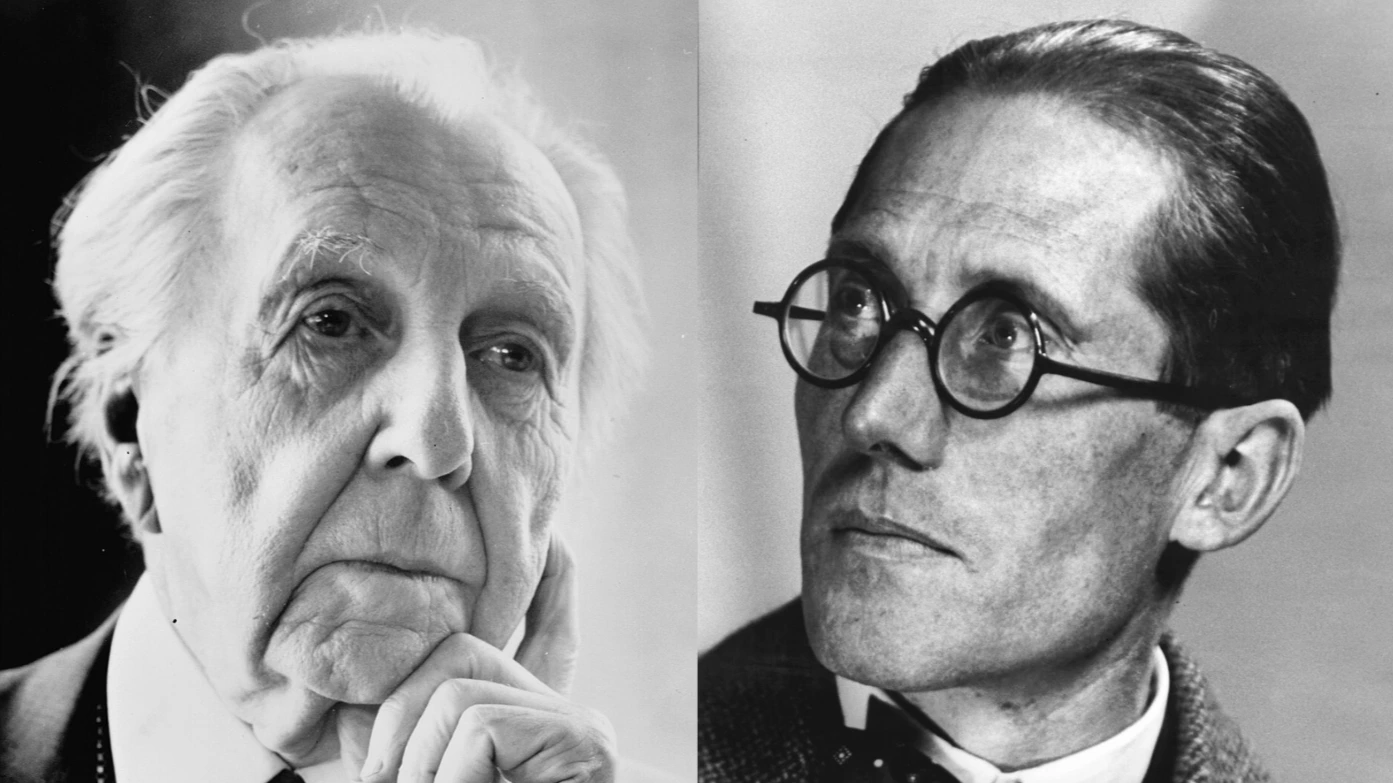
These two giants of 20th century architecture had totally different visions of the purpose of urban planning, and what buildings should do for people. Wright’s philosophy was that buildings should organically blend into their environment, while Le Corbusier questioned the point of designing something to blend in with something else. For Le Corbusier, architecture should be aware of itself, and the industrial and brutalist styles made nature more poignant and more treasured. Wright found Le Corbusier’s style cold and overthought, while Le Corbusier found Wright’s designs overly decorative and nostalgic.