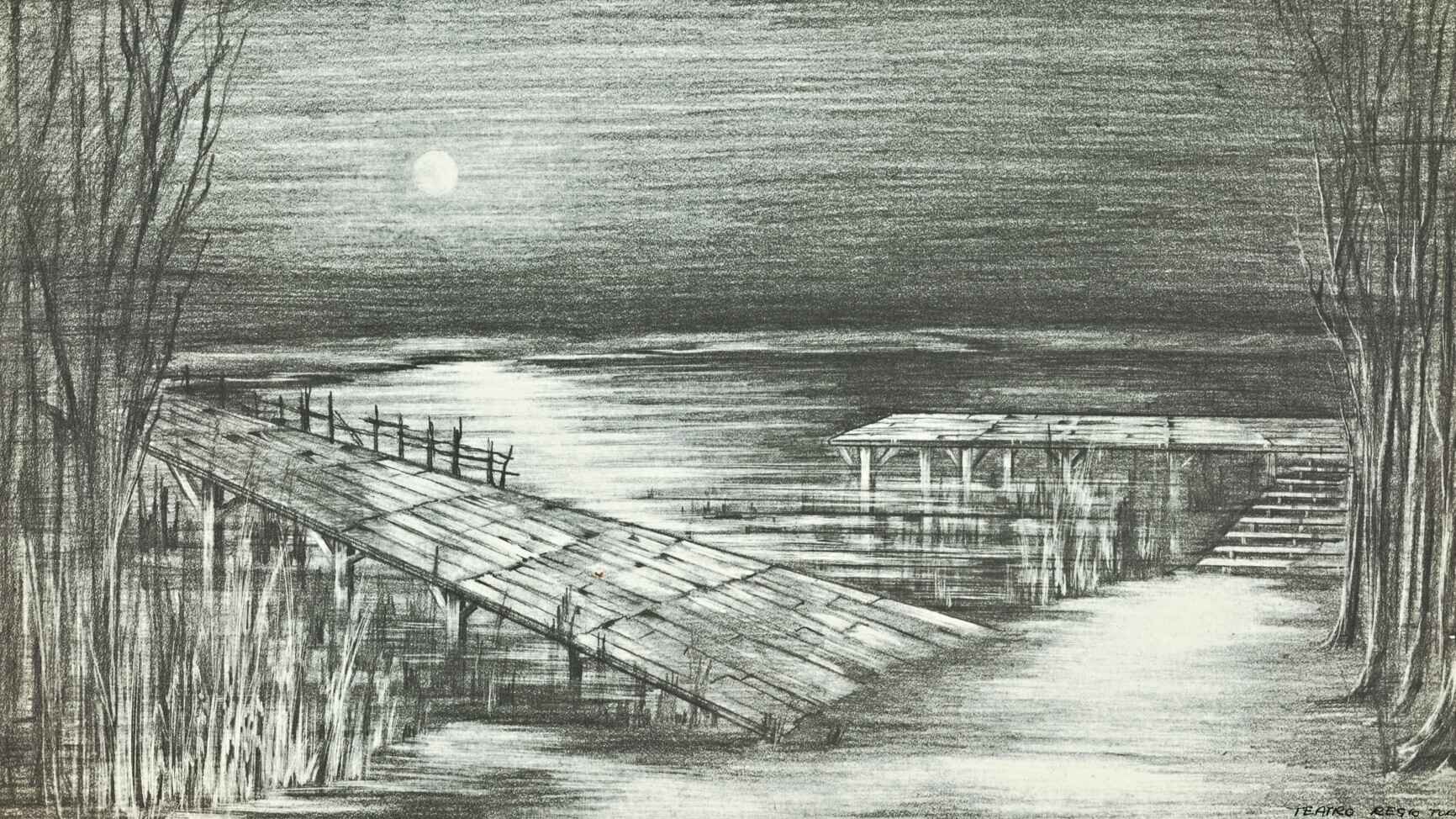
10 Operas You Should See But Likely Won’t

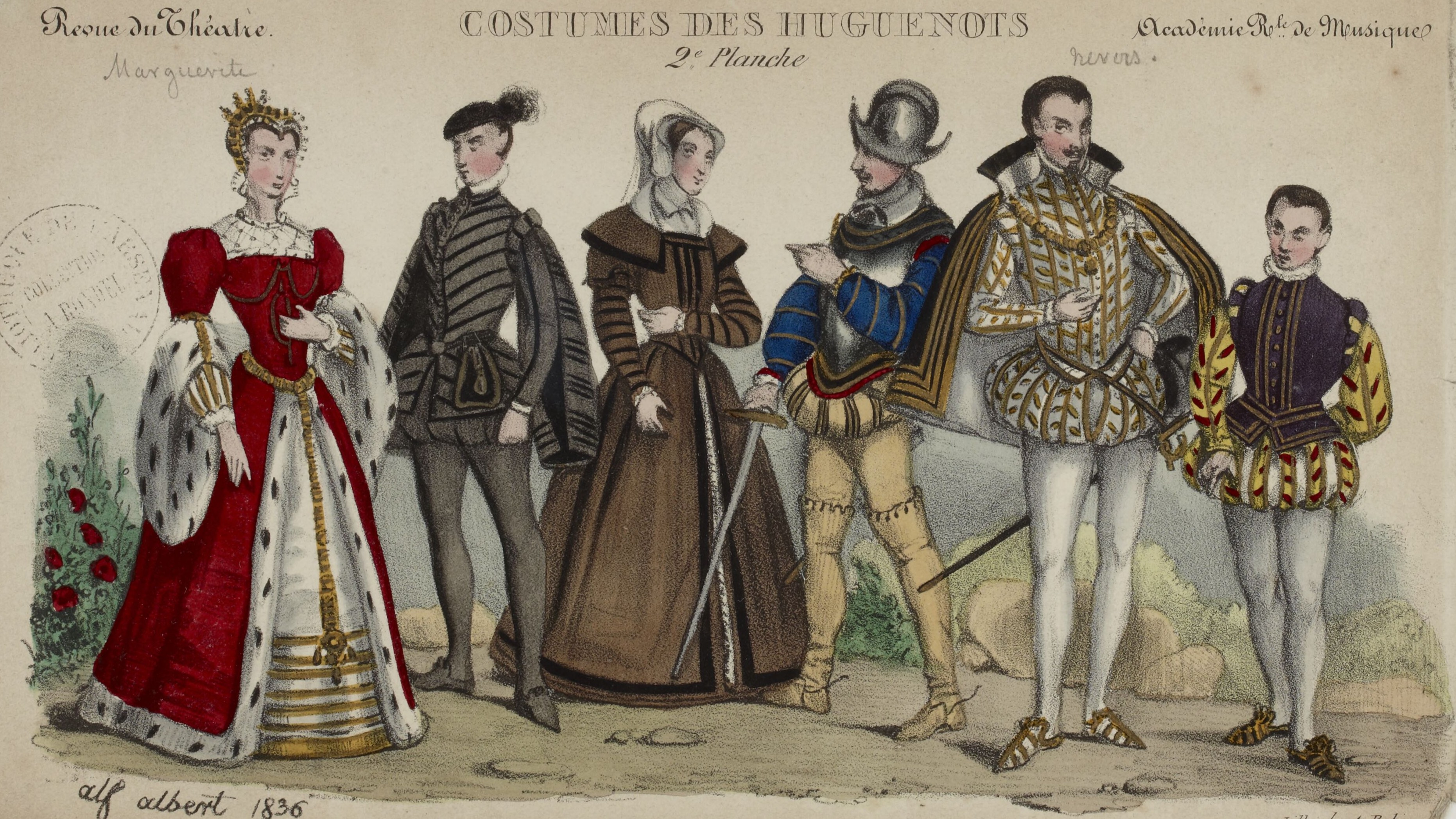
Giacomo Meyerbeer’s epically grand opera from 1836, set during the 16th-century French Wars of Religion, culminates in the St. Bartholomew's Day Massacre of French Protestants (to whom the title refers) by a Catholic mob. The plot itself is fictitious, with forbidden love between a couple of differing faiths. The score is a collection of wondrous scenes and thrilling arias. One of the reasons you are unlikely to ever see this opera is because it has nine demanding solo roles—most operas have four.
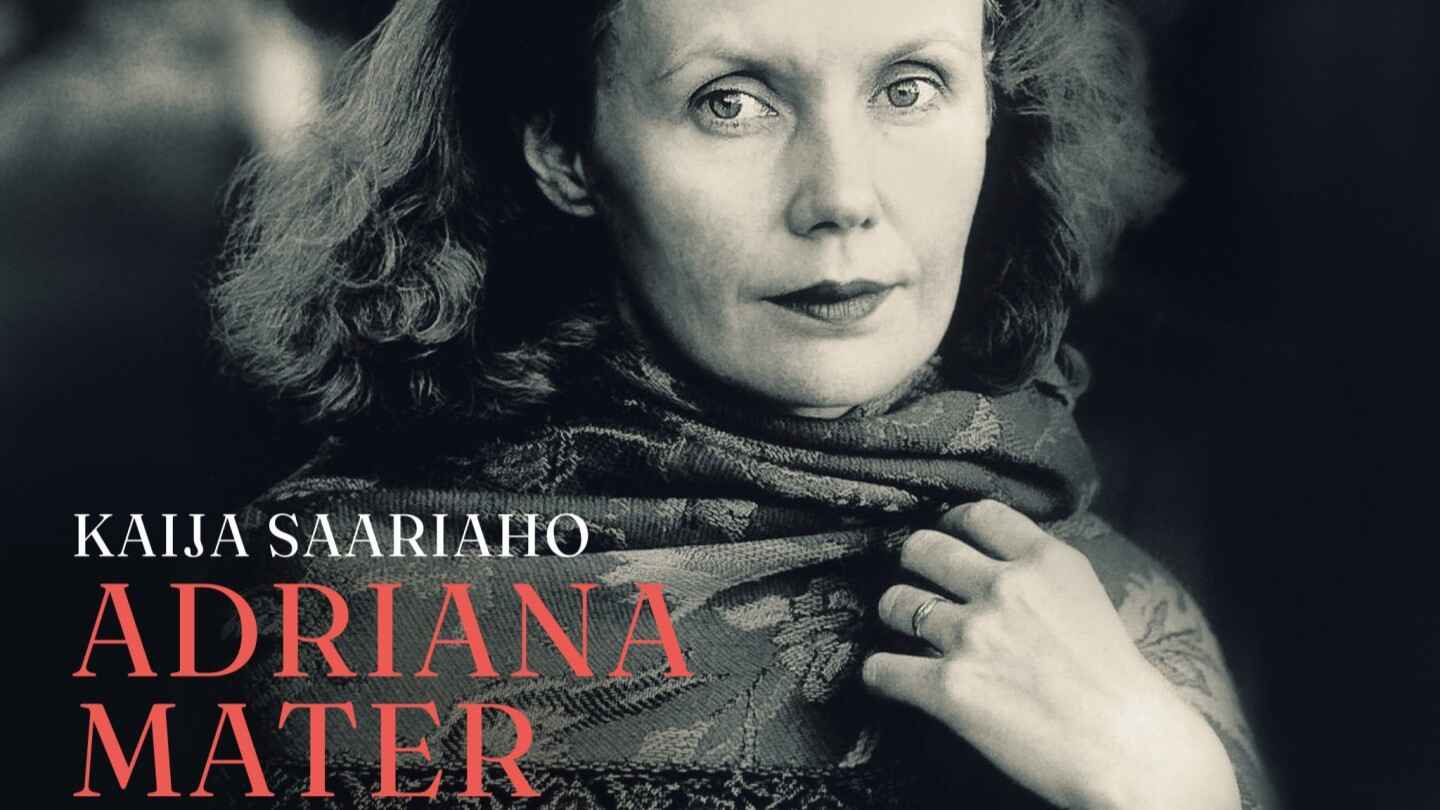
Kaija Saariaho’s extraordinary 2006 opera, with a libretto by Amin Maalouf, is one of the great masterpieces of our time. Set in a current civil war in an unnamed country (the depicted political/religious divisions could, unfortunately, be anywhere), the opera reflects profoundly on motherhood and the traumas of raising a child in the midst of civil strife—not knowing if that child will inherit the violence under which he was conceived. The score is unutterably beautiful, and the experience of the opera places it amongst opera’s rarest experiences.
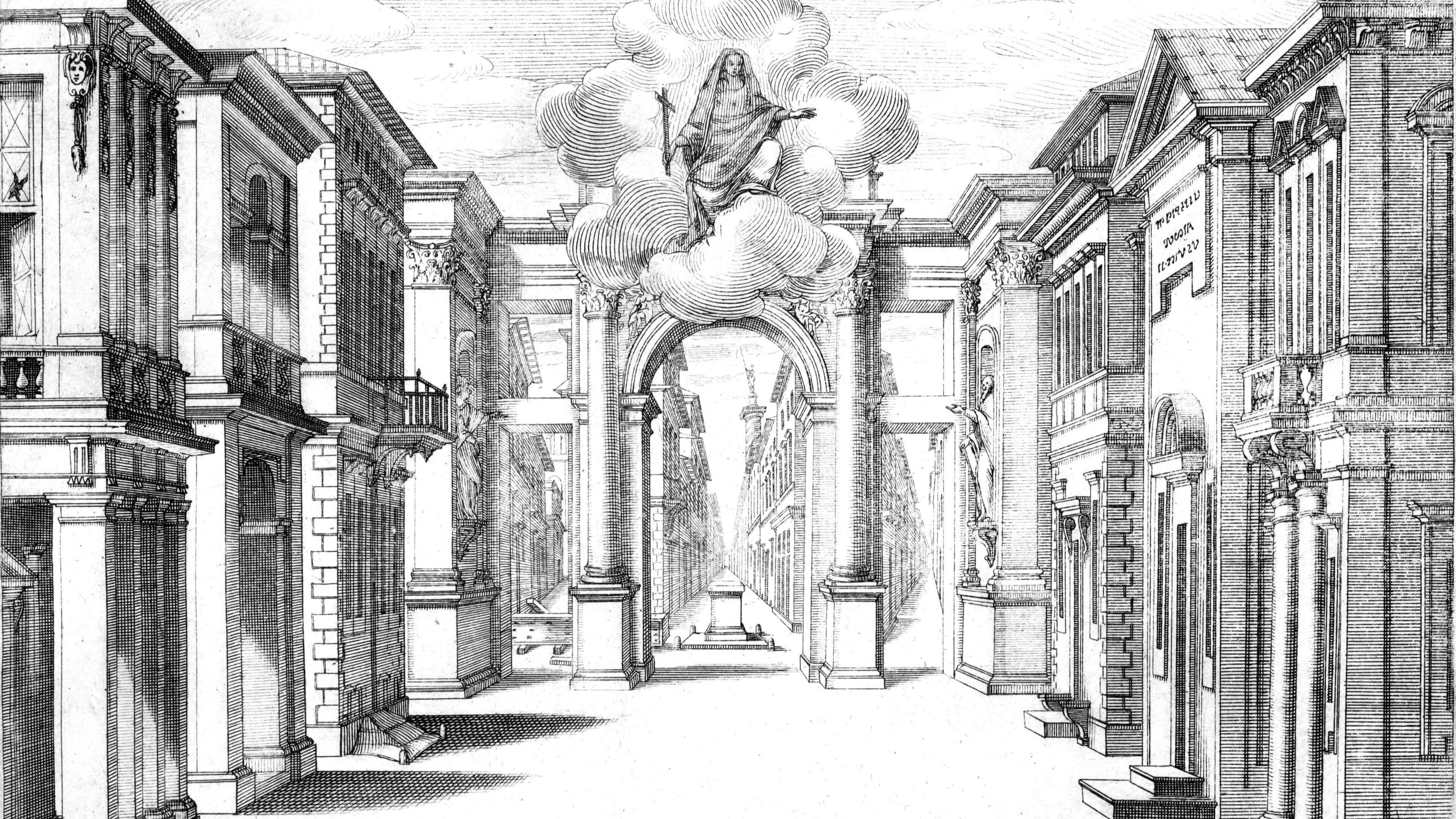
An opera in great danger of being completely forgotten. It was composed by Stefano Landi in 1631, and was the first opera ever written about a real person, Saint Alexius of Rome, who lived a thousand years before it was composed. It is challenging to describe the musical and psychological beauty and depth of this stunning opera, which was one of the art’s first real masterpieces, predating Monteverdi’s equally extraordinary The Coronation of Poppea by about a decade. It is a challenge to produce—most modern countertenors find the title role, composed for a male soprano, far too high. The other roles are marvelous as well. This is a masterpiece from the past that the 21st century needs.
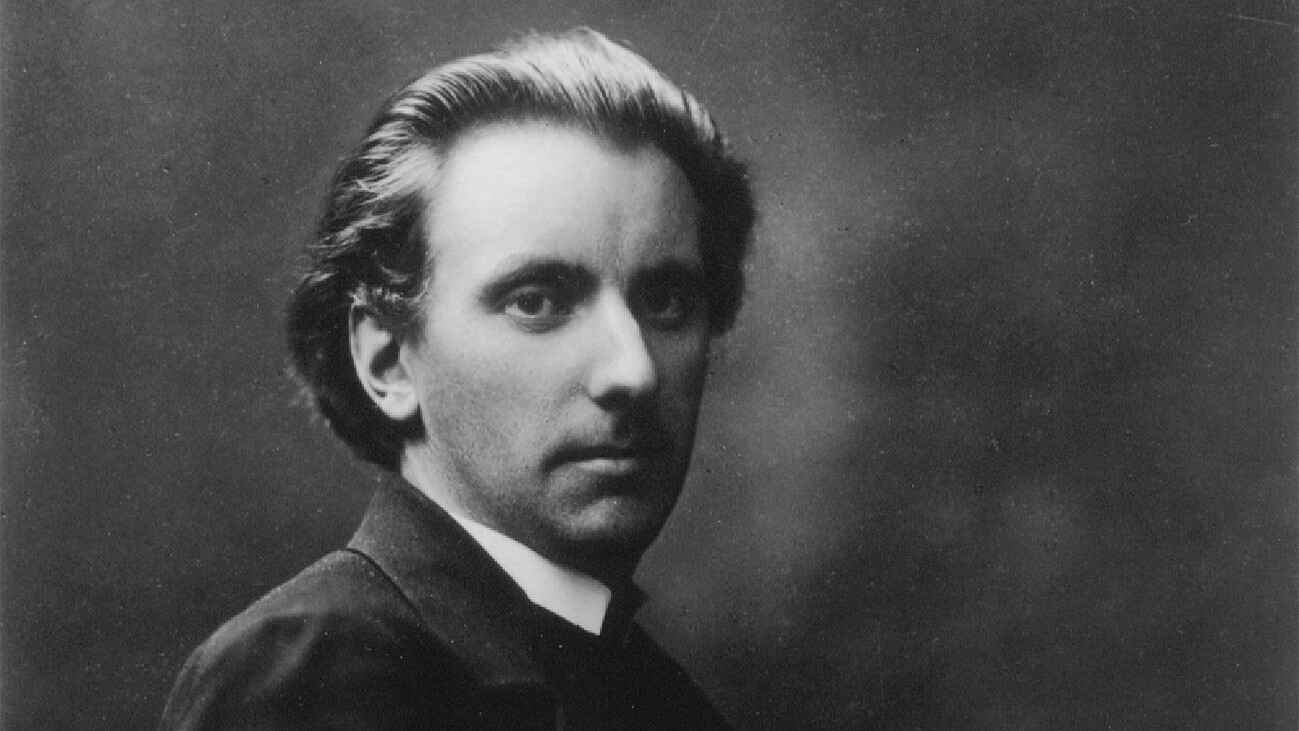
Yes, the title of this 1923 opera is part of why it has never enjoyed the success it should—Antichrist is obviously not a very inviting title, for who wants to spend an evening with that subject? But, actually, this opera by the Danish composer Rued Langgaard is a real masterpiece of profound spirituality, with an incredibly beautiful and powerful score. The plot revolves around the title character’s effect on world events, and it ends with the power of good over evil, with the Antichrist destroyed. I’ve given up hope at ever experiencing a production of this opera, much less conducting it myself, but I have no doubt some enterprising impresario and/or conductor will discover the wonders of this rather extraordinary opera and let the public discover it, too.
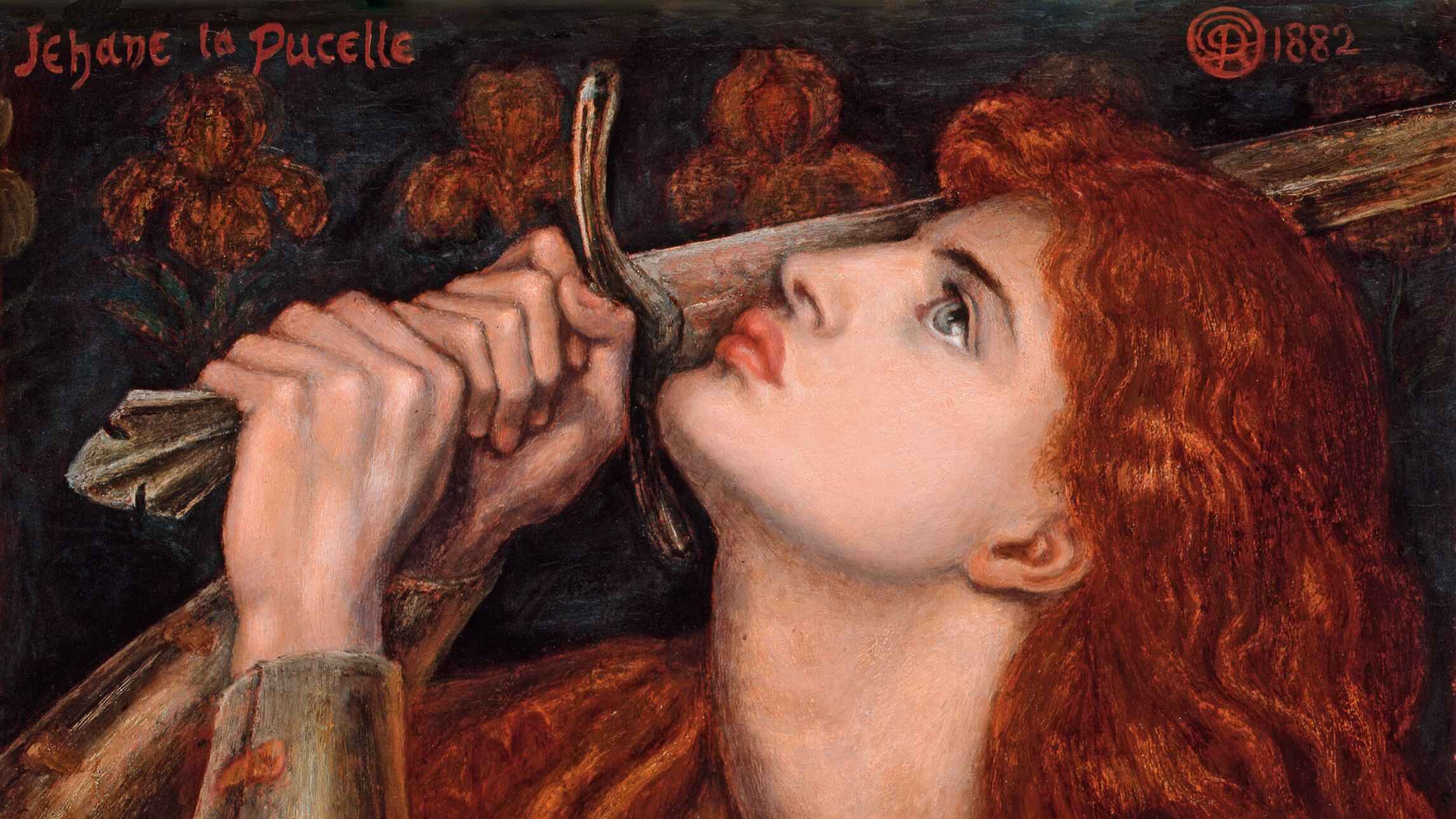
It is no revelation that Tchaikovsky wrote amazing operas, as his Eugene Onegin sits at the top of the repertoire of every major opera company, with The Queen of Spades, even with its impossible tenor role, not far behind it. But of Tchaikovsky’s 11 operas, surely this grand work about Joan of Arc is the one most in need of revival. The Maid of Orleans inspired a special level of penetrating melody and choral intensity. And what great star mezzo-soprano would not dream of playing Joan of Arc, one of the heroines of the Hundred Years’ War, defending France against England, and being tried as a heretic as a 19-year-old? Indeed, she has been irresistible to drama, being best known from two plays: George Bernard Shaw’s Saint Joan, written in 1923, just a few years after she was actually canonized by the Catholic Church, and a much earlier play in German by Friderich Schiller, which the Tchaikovsky is based on.
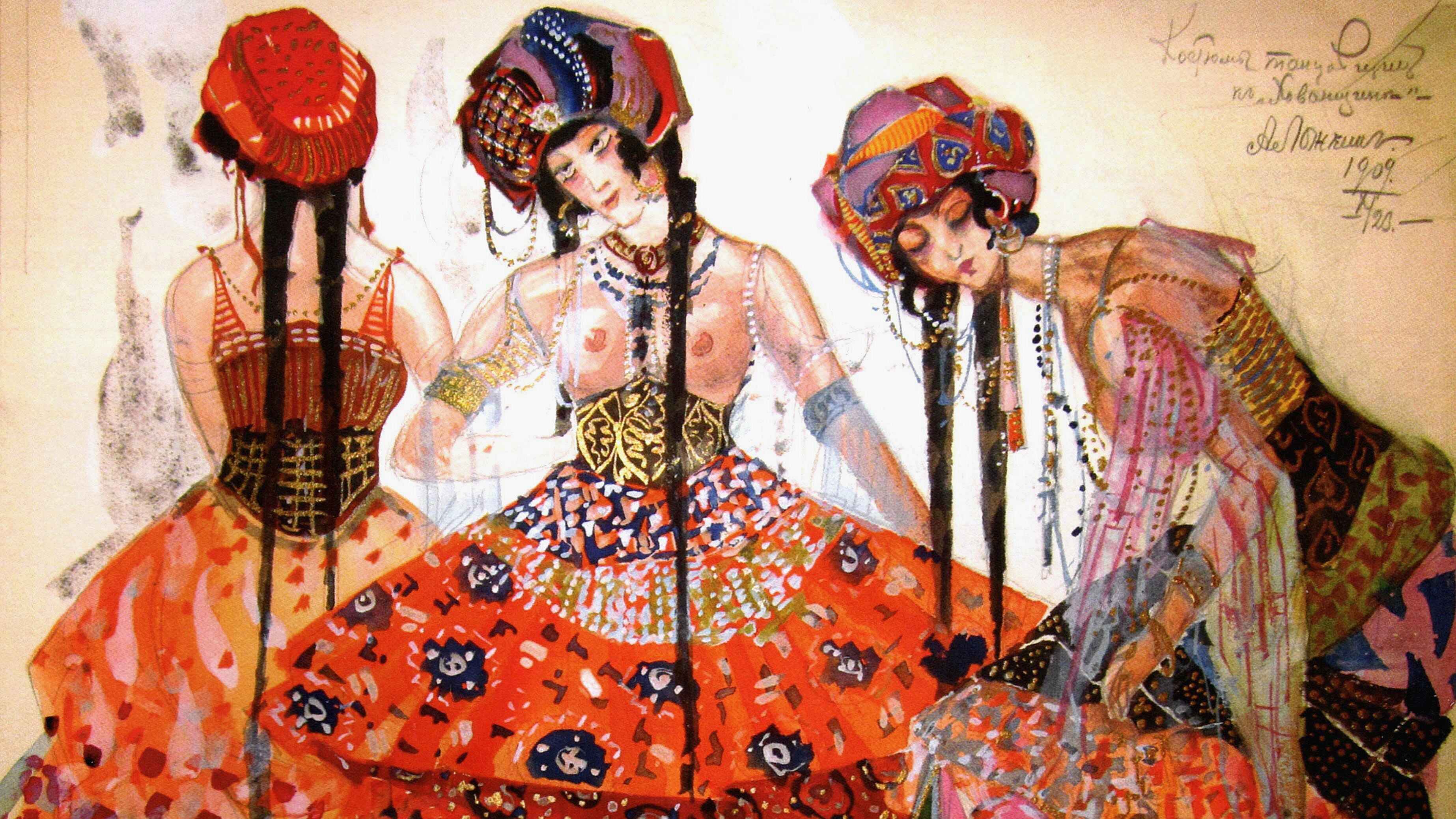
Mussorgsky’s lesser-known opera besides Boris Godunov—and like Boris, this opera is a dramatization of a complex moment in Russian history, a schism between dissenters and the Russian Orthodox Church, led by Prince Ivan Khovansky, known as the Khovansky Affair. Mussorgsky did not live to complete the opera’s orchestral score, though he had finished a piano score at the time of his death in 1881, so the opera was finished by Rimsky-Korsakov, who composed some wonderful operas of his own. Khovanshchina is an extreme rarity on the world’s stages, but if you ever have the opportunity to experience it, take it; the opera has a profound spiritual core, and the music pours and aches. The opera is epically grand, requiring a chorus of at least 120, and a huge cast of specialty singers; Khovanshchina would be extremely challenging, nearly impossible, for singers not native to the Russian language or its antecedents, vocal traditions that are rapidly disappearing in the world’s 21st century political realities, some of them the very divides depicted in the opera.
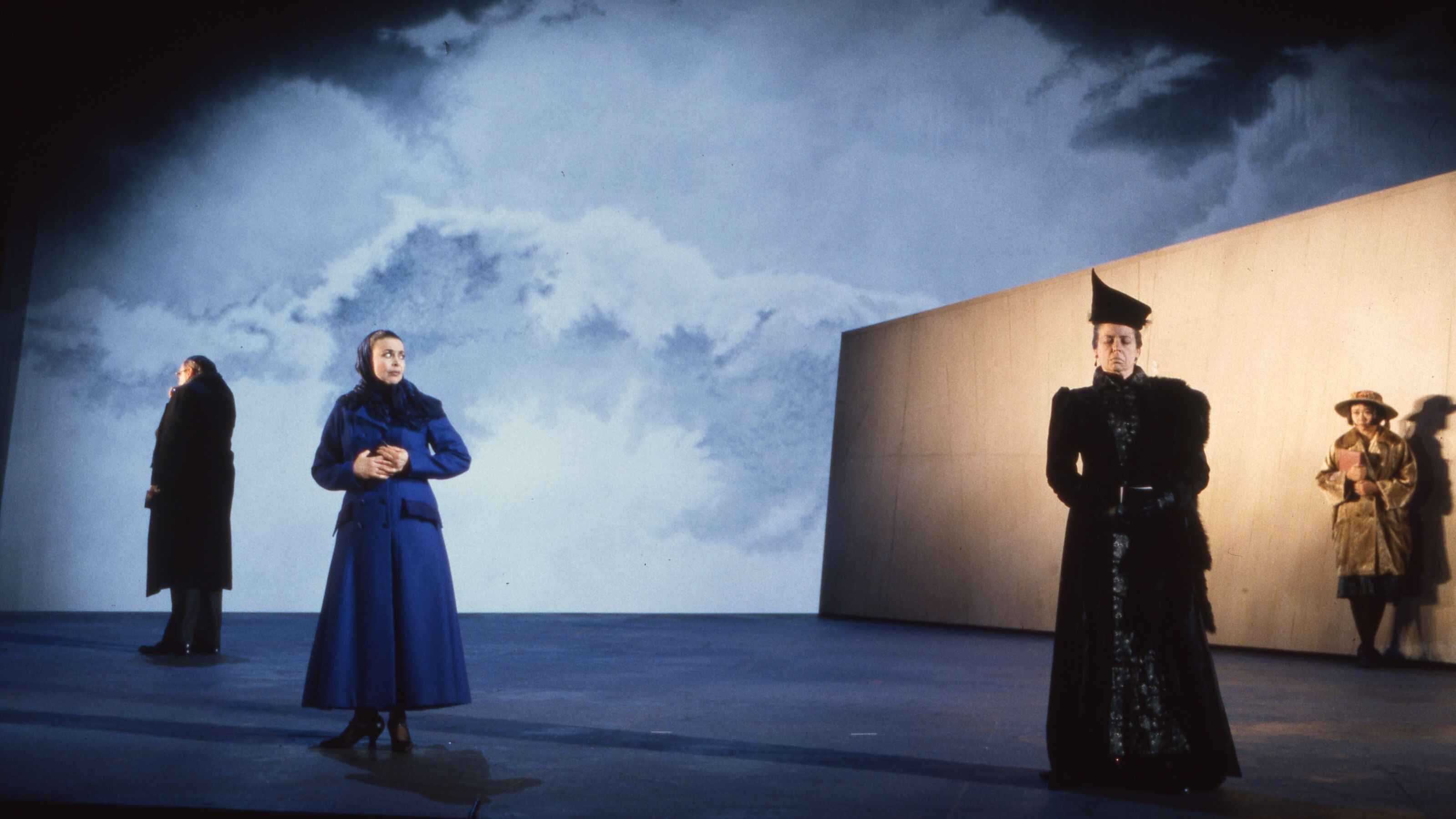
Of the Czech composer Leoš Janáček’s nine operas, Jenůfa is the most performed, and it is an extremely moving opera, with one of the greatest second acts ever composed. Katya Kabanova, though, is one of Janáček’s most complex and magnificent works, well worth the investment by an audience. You might see it if you’re traveling to Europe, particularly in Germany, Austria, and Switzerland, where much of the world’s opera is produced. But in the United States, performances of Katya are rare indeed, partly because Janáček’s works remain relatively unknown in the United States, though the Metropolitan, Chicago, San Francisco, and Houston have each at various points performed the three Janáček tragedies, Jenůfa, Katya Kabanova, and The Makropulos Case. And his gorgeous The Cunning Little Vixen is relatively often performed, particularly in schools if they have an orchestral program capable of its immense demands. Why the rarity? Is it some simplistic reason, that the titles are challenging to pronounce? Katya has a terribly tragic, though moving, plot which ends with the title character’s suicide, but so do many operas—it is a mystery. But if you have an opportunity to experience this opera, take it. You will be amazed.
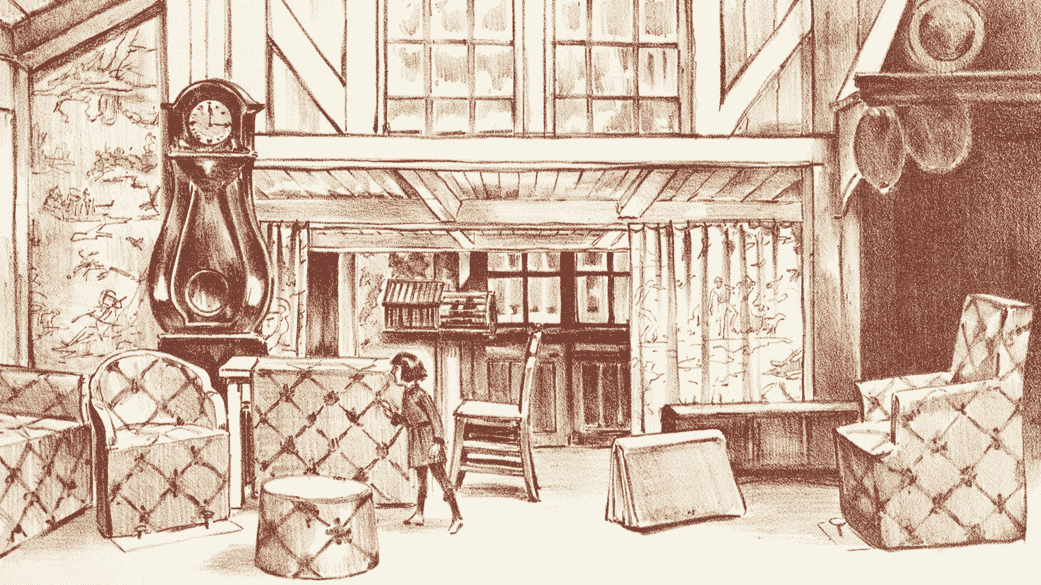
Both complete masterpieces, together these one-act operas from Maurice Ravel make for a gorgeous evening of opera. Sadly, they are almost never performed outside of conservatories, and though they are wonderful works for gifted students, no conservatory will have the resources to give these extraordinary works their artistic due. L’heure espagnole (The Spanish Hour) is a genuine, sincerely funny comedy—being a farcical comedy of manners, it has not dated itself. An unhappy wife of a clockmaker, knowing he leaves their house and clock shop every day for the hour mentioned in the title, arranges sexual antics with various men during that time. But schedules get mixed up, the men all end up hiding within clocks, and hilarity ensues.
L’enfant et les sortilèges (The Child and the Spells) is an absolute wonderland, with a libretto by Colette, best known for writing the novel on which Gigi is based. Ravel’s opera tells the story of a misbehaving child who throws a tantrum and destroys objects in his house as well as harming animal life. To the child’s surprise, and to our ravishment, the items in the house come to life and teach the child a lesson, so scaring him that he escapes into the natural world, where the lesson continues. Animals of all varieties come to musical life, as well as the trees, in an opera of such musical beauty one can hardly believe it. And it ends so touchingly, with incredible subtlety.
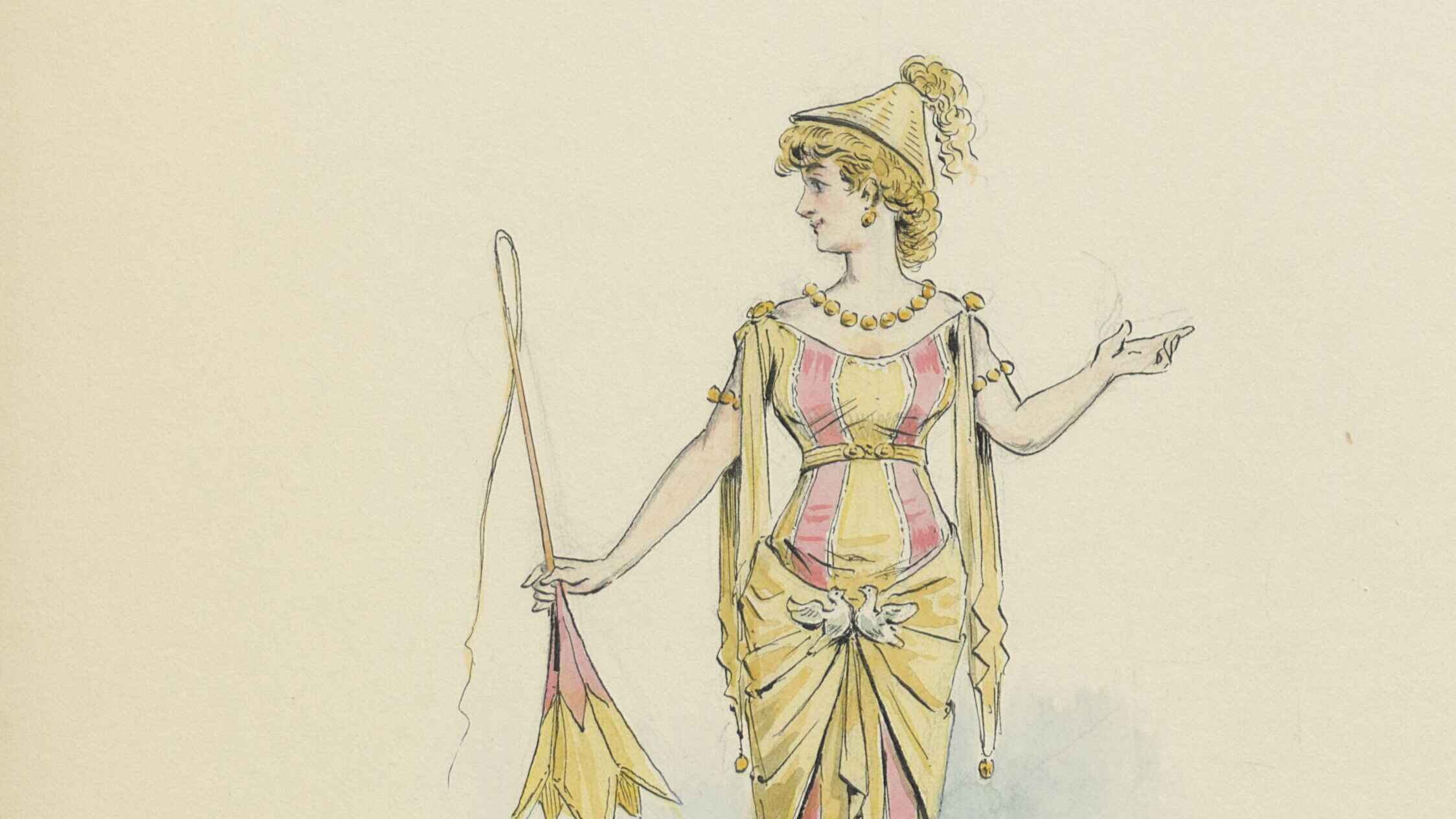
This parody by Jacques Offenbach of the most musicalized subject in opera’s history, the Trojan War, is total joy from beginning to end, with a score that never leaves you. If you are into quite sophisticated silliness, this is the opera for you. Farcical, yes, but Offenbach gets overlooked a bit as a composer of “light” music, as if that was some easy thing that anyone could do. La belle Hélène is from 1864, in the early days of Belle Époque Paris, which was a heyday of opera there, with four full-sized companies competing for an opera-mad public. One could, on any given night in the 1860s, see multiple operas across town, one in the afternoon, a nice dinner somewhere, and a different one in the evening. La belle Hélène is, slightly, its era’s Book of Mormon, farcically skewering everyone and everything, though not quite so explicitly as the hit Broadway 2011 musical that is still running. Offenbach’s opera basically spoofs opera itself, especially the Trojan War operas (of which there are likely more than a thousand), while also taking on the church and state and Parisian politics. Productions tend to overdo the silliness, for La belle Hélène also has a gorgeous musical heart, in the relationship between Paris and Helen.
This harrowing and dark 1934 opera by Dmitri Shostakovich, based on an even more harrowing and dark novel from 1865 by Nikolai Leskov, besides being an extraordinary opera in its own right, also sliced through the middle of 20th century Russian, or Soviet, history, because of it being condemned by Joseph Stalin and publicly attacked. Shostakovich revised the opera in the 1960s and retitled it as Katerina Izmailova (the Lady M of the original title), but the work was rarely seen or heard outside of the Soviet Union. After Shostakovich died in 1975 and the Soviet Union became Russia again in 1991, Shostakovich’s original score was reassessed and began to be performed again, to enormous acclaim. The opera presents female empowerment and sexuality in explicit ways, but is also boldly satirical of men and political violence. Productions of it, especially in Europe, have run a huge gamut of visual-storytelling, and of the dozen or so I have seen in recent decades, I have never felt unsatisfied by one of them, no matter how “out there.” Why? Because this opera is so brilliant that it invites endless gazes into the societal mirror it provides, and the score is astounding—bold, psychological, energetic, unforgettable.