10 Infernal Facts about Gounod’s Faust

In the prologue to Goethe’s iconic Faust, the play on which Gounod’s beautiful opera is based, we meet a trinity of people discussing the theater—one is a director/impresario, viewing the theater (and thus the world) from a purely financial viewpoint. The second character is an actor, viewing the theater as a pathway to personal fame and fortune. And the third character is a poet at odds with the other two, who aspires only to selflessly create a work that will have lasting meaning. These three characters are, we discover, the earthbound Faust, the Devil, and God. Ah, but which is which?
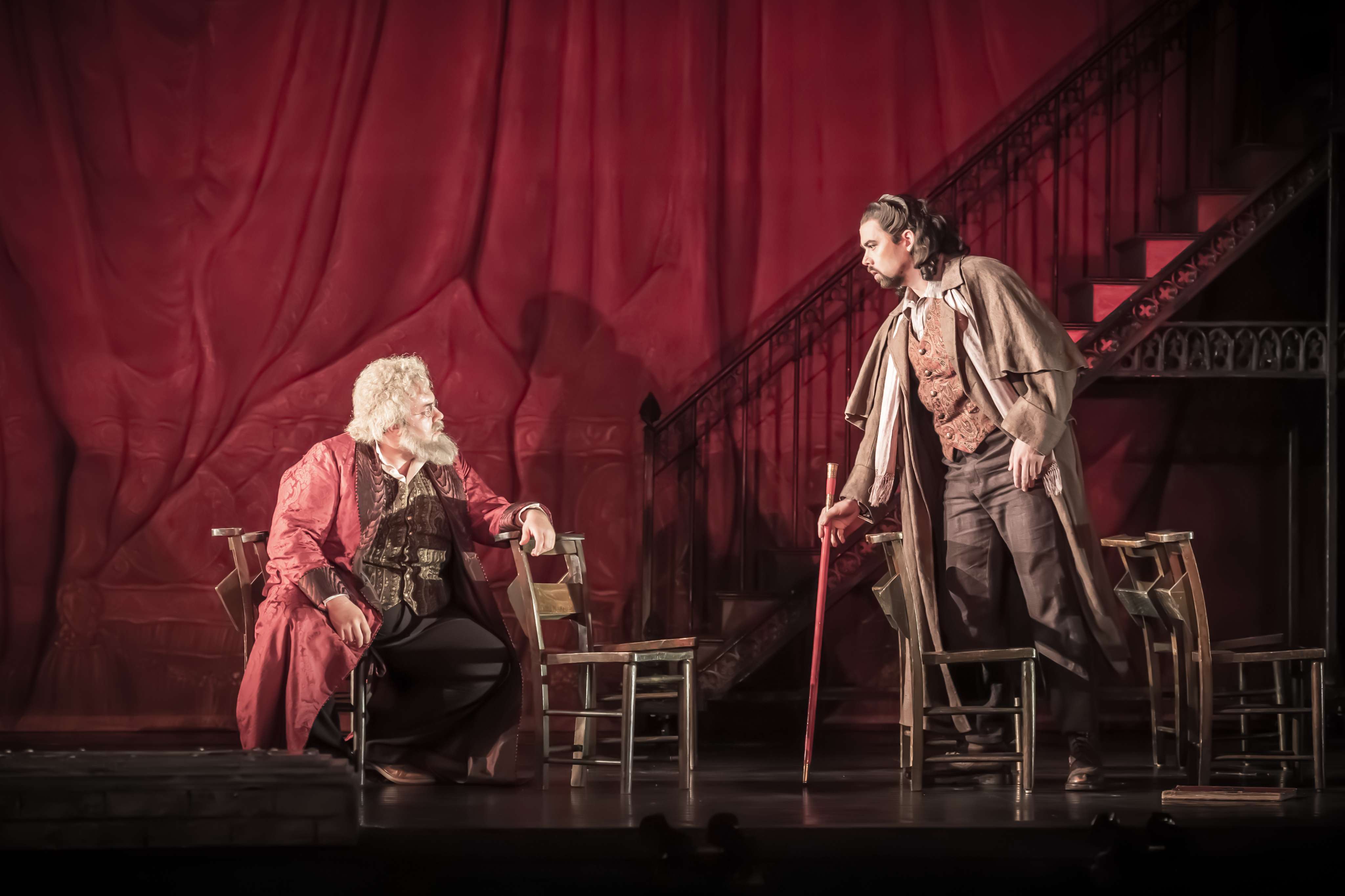
Just over a century ago, in the autumn of 1920, Edith Wharton’s great novel The Age of Innocence debuted, a grandly romantic paean of nostalgia for New York City’s first gilded age in the 1870s. Both Wharton’s novel and Martin Scorsese’s acclaimed 1993 film open at a performance of Gounod’s Faust, as the novel’s major characters see themselves in what was then the most famous opera in the world. The scene you see in the Scorsese film is the famous “garden” scene, which is also a moment of innocence within Gounod’s opera.
The Goethe play on which Faust is based is more than two centuries old, published in the first of its two parts in 1808, though Goethe’s oldest versions predate the United States; he completed the earliest chapters in the early 1770s. It was one of the first books that could easily be said to have changed the world, or at least the worlds of philosophical storytelling. Faust ushered in Romanticism, and the text is still endlessly studied. Goethe’s Faust came from the transition of the Middle Ages into the Industrial Age—two huge eras colliding. Faust represents the entire life of a fellow human, as Goethe worked on it throughout his own life, and depicted Faust’s life from birth to death as an extension of his own.
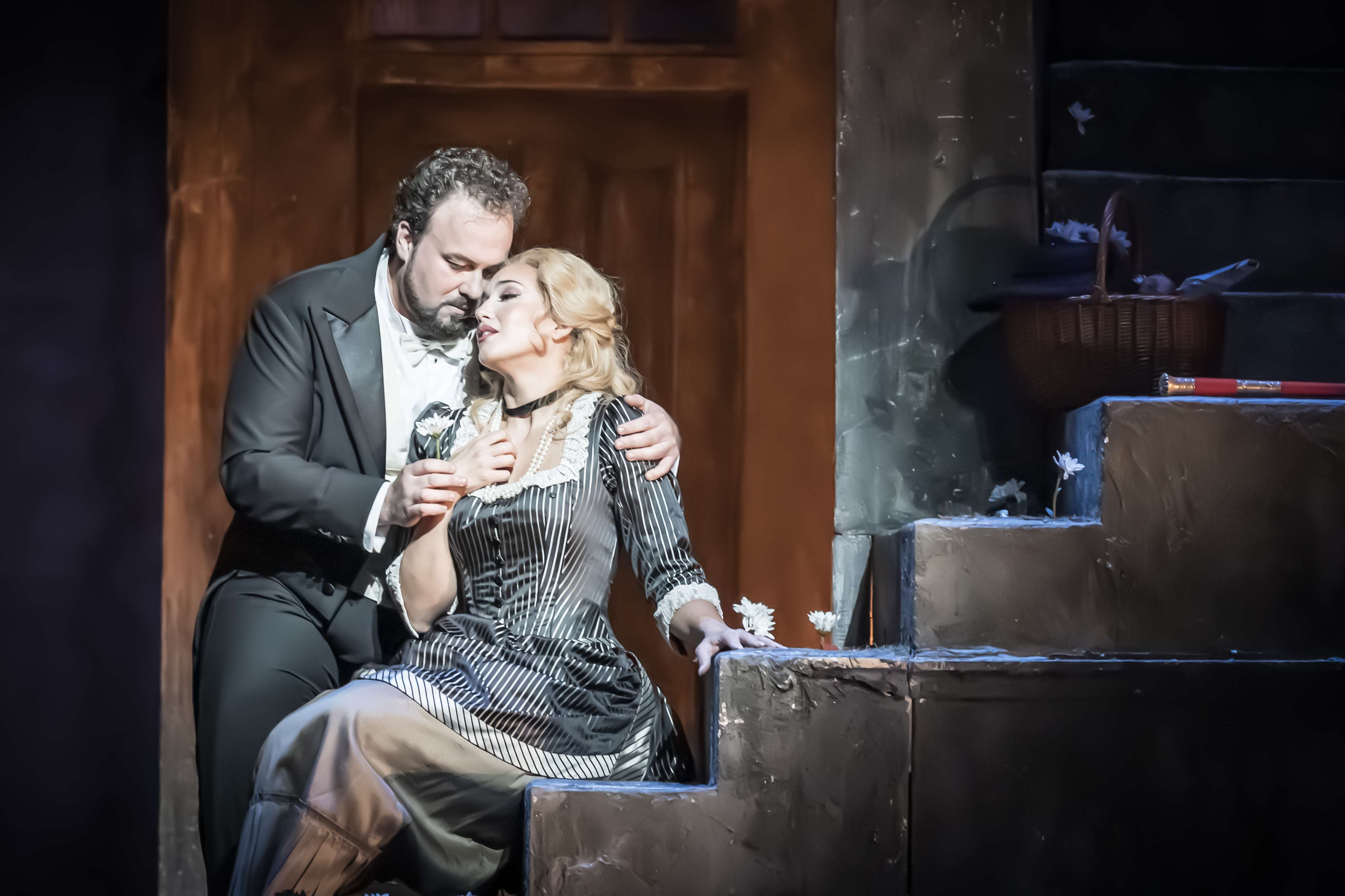
Faust was chosen to open the Metropolitan Opera’s first season in 1883, albeit in German, and it was presented each season at the Met for a quarter-century, sometimes in Italian, sometimes with characters singing in different languages, and eventually, in its original French. The final trio from Faust was the last selection on the farewell gala concert that closed the theater. The Old Met sat on Broadway between 39th and 40th Streets, just below Times Square, before the company moved to its new home at Lincoln Center in 1966.
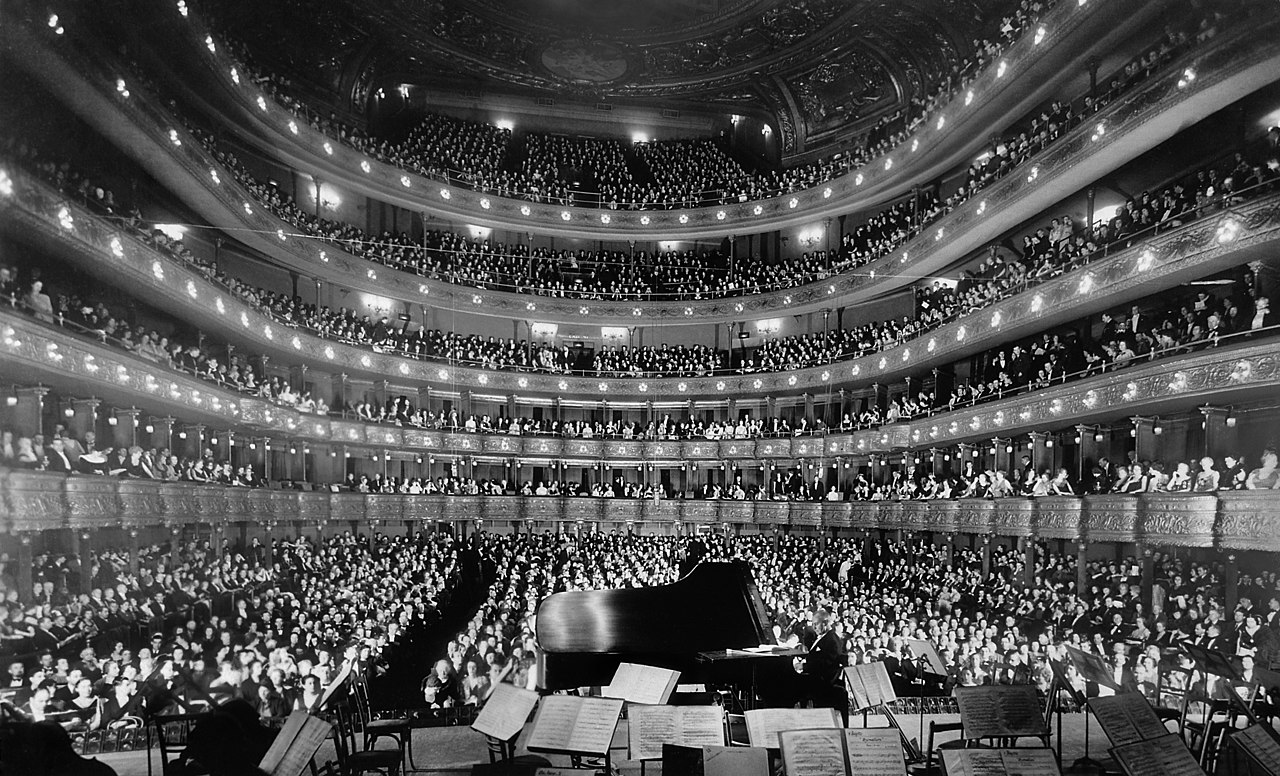
In Paris, following the 1859 premiere of Faust, Gounod’s opera played every year until the beginning of World War I. Imagine an opera playing in one city during every season for 55 years! Faust was the most popular opera in the world in the 19th century.
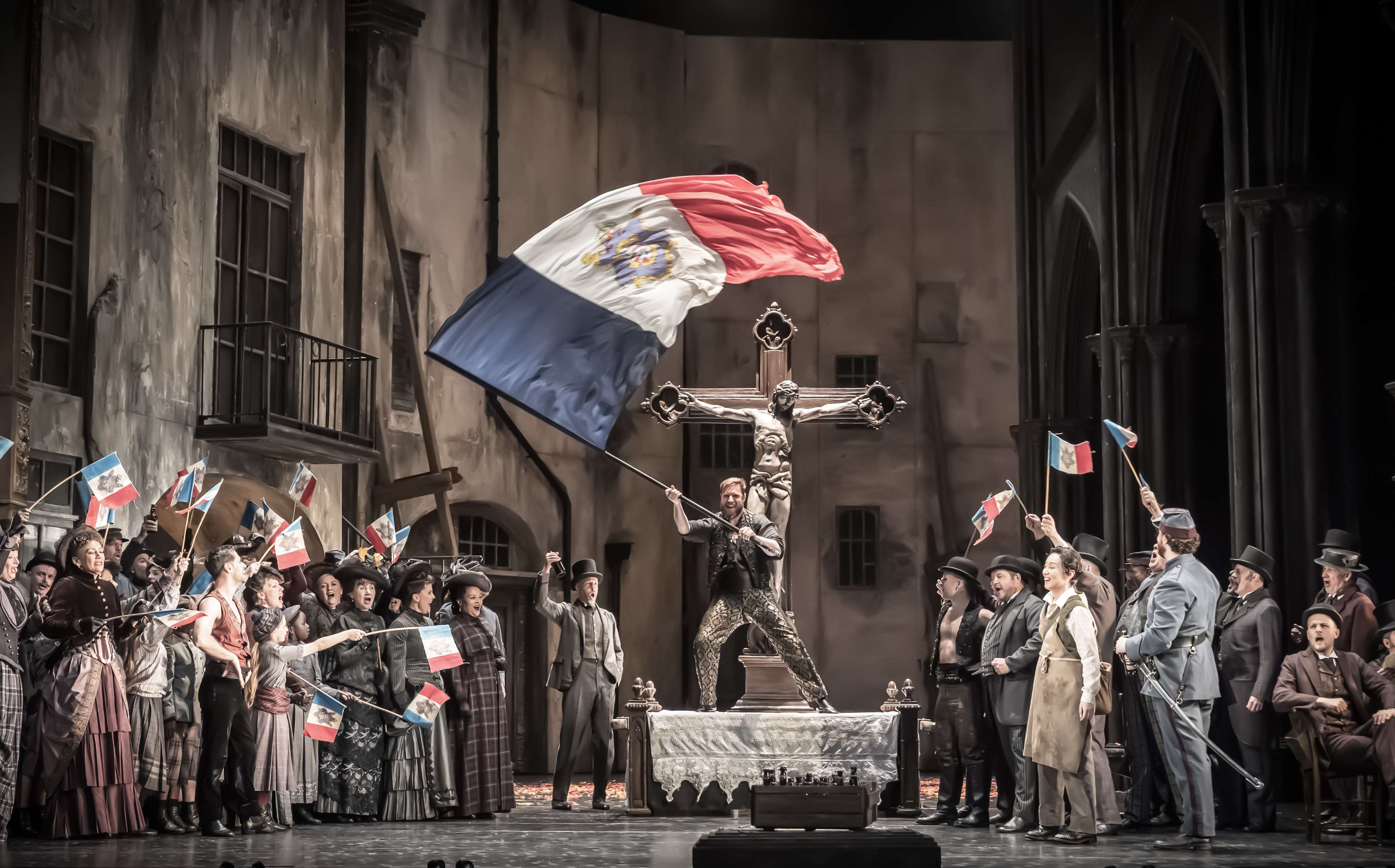
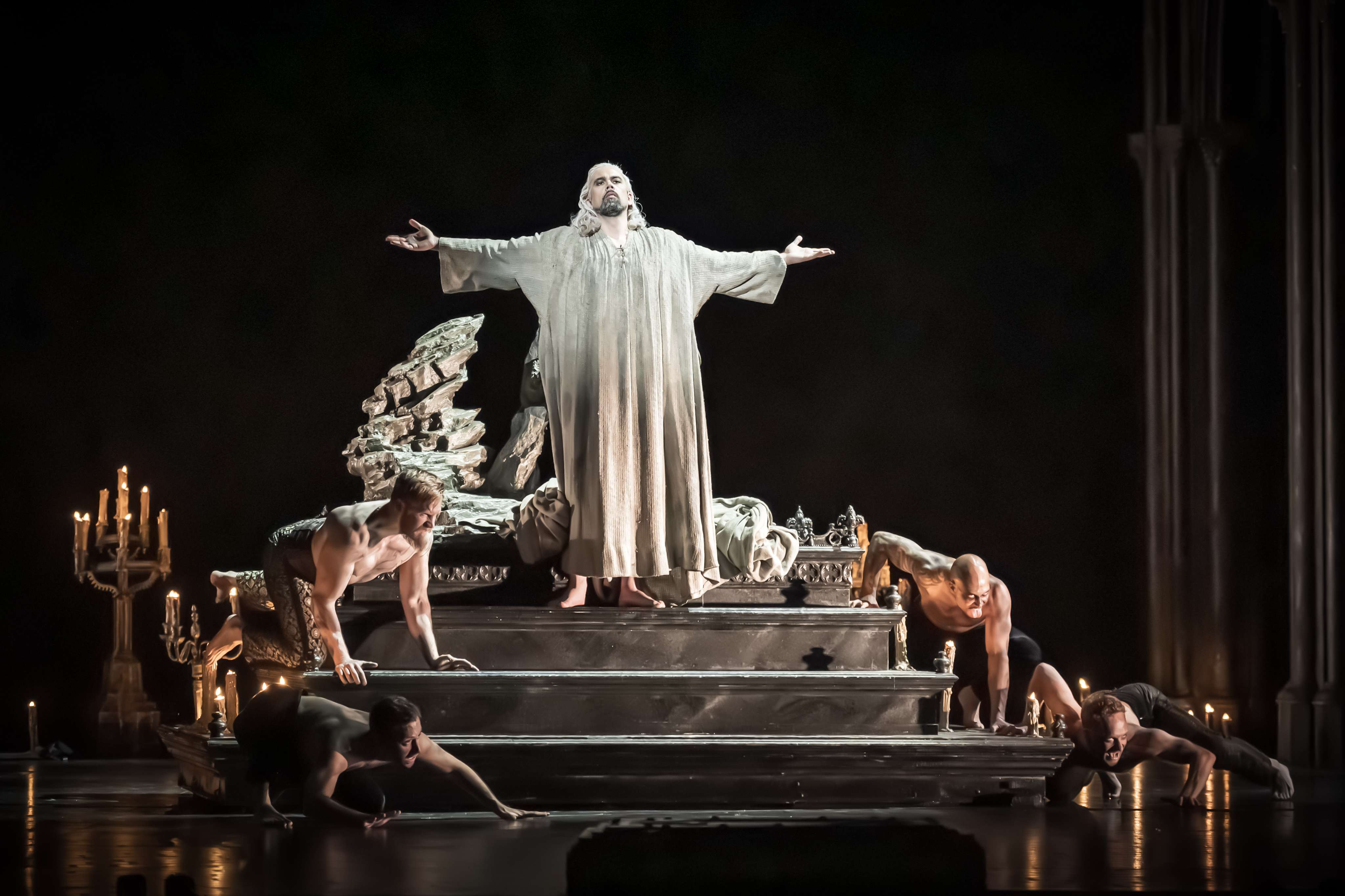
The original 1859 production of Gounod’s opera was expertly curated by two French poets, Jules Barbier and Michel Carré, and it famously spared no expense, with a different designer for each of the opera’s five acts. David McVicar’s production from the Royal Opera and Ballet, Covent Garden, honors this important part of the opera’s legacy, and is also a spectacular and varied visual feast. London featured strongly in the opera’s history, because Valentin’s aria to his sister, “Avant de quitter ces lieux,” now among the most famous music in the opera, was an addition by Gounod for a London performance in 1863, and it premiered with an English text: “Even bravest heart may swell in the moment of farewell.”
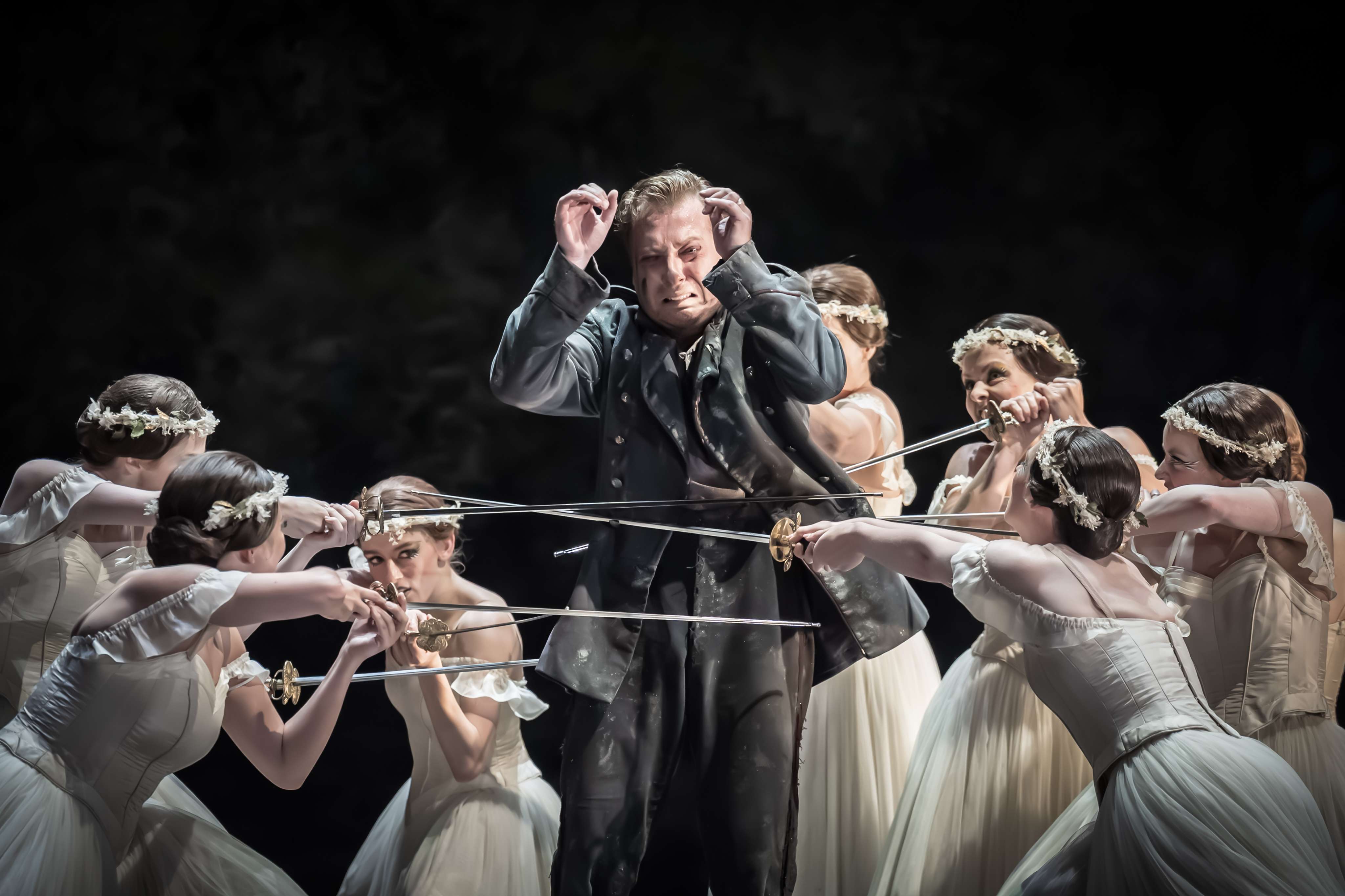
The Faustian bargain is one of the oldest situations in artistic history, and essentially is this: what of your current life would you sacrifice to have your youth back? From Oscar Wilde’s The Picture of Dorian Gray to Genki Kawamura’s amazing 2012 novel, If Cats Disappeared from the World, the deal-with-the-devil theme has been irresistible. This has been especially true of films: think of Damn Yankees, Suspiria, Mephisto, the HBO series Good Omens, Rosemary’s Baby, Little Shop of Horrors, The Silence of the Lambs (What is “quid pro quo, Clarice” if not a Faustian bargain?), Beetlejuice, Fight Club, The Little Mermaid (Ursula is surely devilish!), and even The Devil Wears Prada owes a bit of a nod to Gounod’s Faust, in what lengths young professionals will go to get ahead.
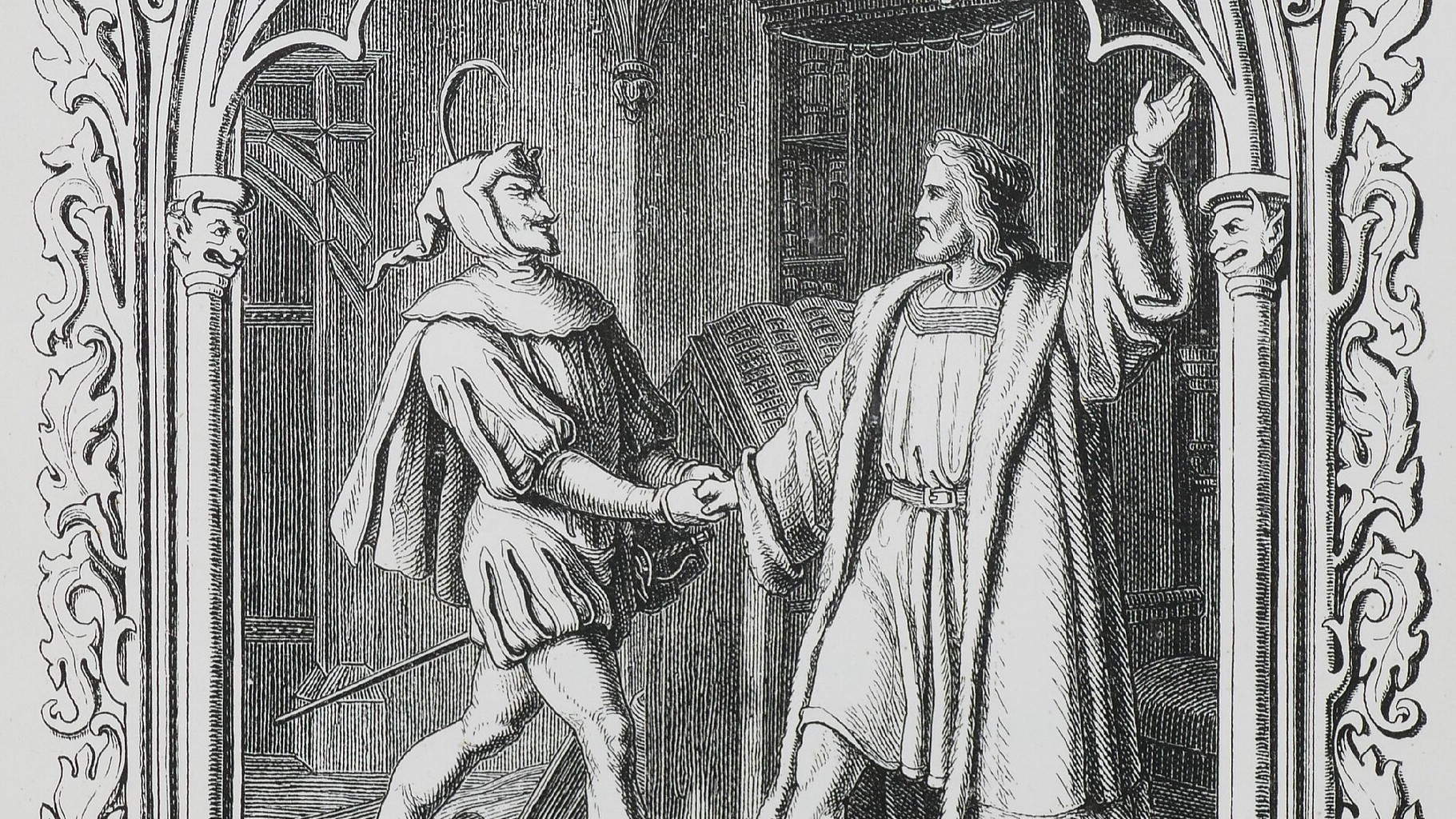
Gounod was among the most religious of the major composers, a deep student of theology, even entering seminary as a young man. He wrote a lot of sacred music, and he was unafraid to include sacred music in the secular space of an opera, making the eerie church scene of Faust even more riveting. Gounod’s single most famous piece of music is his superimposition of “Ave Maria” over the first prelude from Bach’s Well-Tempered Clavier, 130 years after Bach composed it.
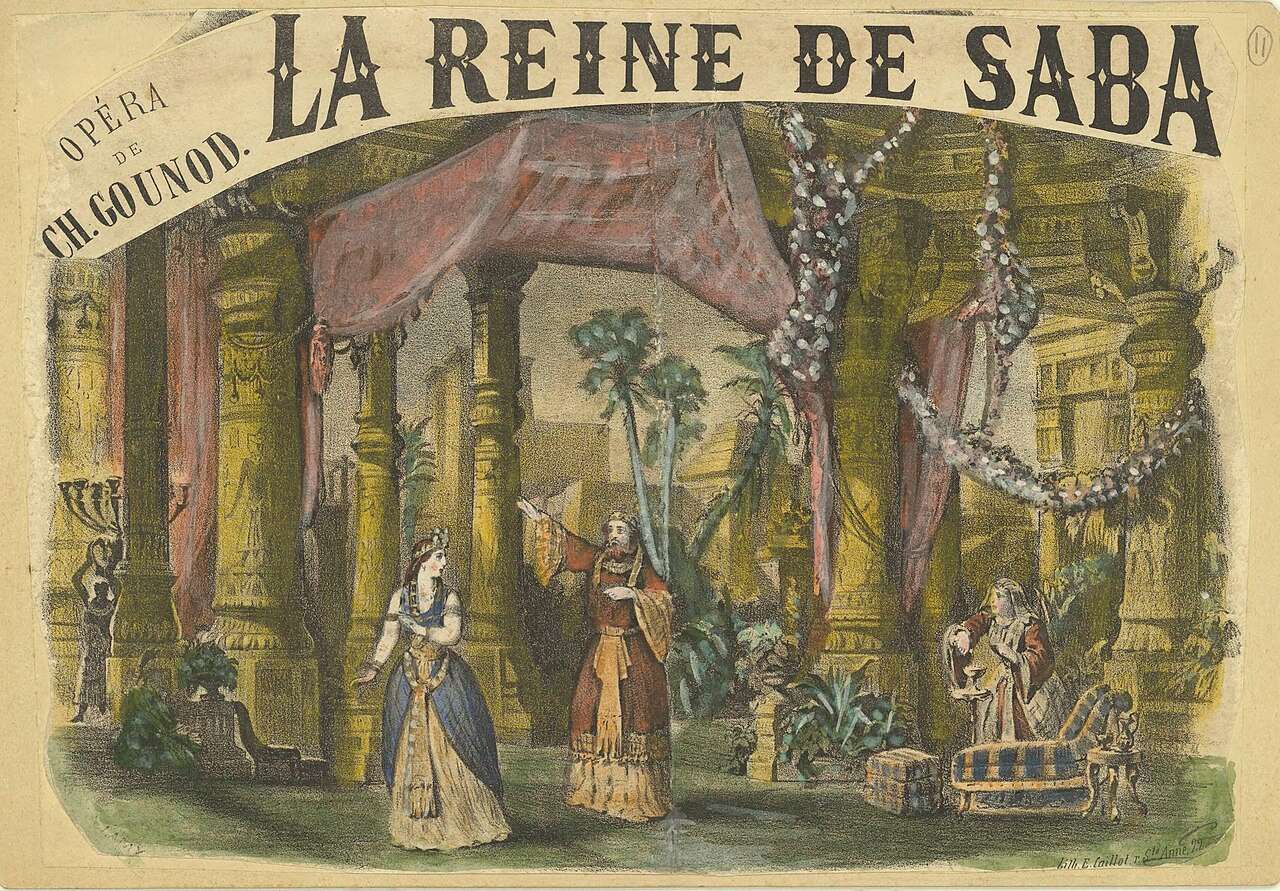
Charles Gounod wrote 12 operas, though only Faust and Romeo and Juliet are still performed. One often hears arias from most of the other ten, but you are highly unlikely to ever see productions of them:
-
Sapho, which has a dramatic and beautiful final scene prized by young mezzos;
-
A top contender for one of the worst titles in history: La nonne sanglante (The Nun Bloodied);
-
La colombe (The Dove);
-
Maître Pierre;
-
easily the largest-scale opera Gounod composed, La reine de Saba (The Queen of Sheba);
-
Philémon et Baucis;
-
Mireille, with its beautiful final scene, a religious summoning of the angels, similar to the trio that closes Faust;
-
Cinq-Mars;
-
Polyeucte;
-
Le tribut de Zamora;
-
and the opera that all of Gounod’s contemporaries and many subsequent composers, including Richard Strauss, thought to be one of the great masterpieces of its time, Le Médicin malgré lui (The Doctor in Spite of Himself).
The most famous commercial musical of the last half-century must be Andrew Lloyd Webber’s The Phantom of the Opera, beloved by those who love it, and the bane of some opera fans because of constantly hearing, “oh yes, I’ve been to the opera once—The Phantom of the Opera,” reigniting the perennial elitist debates about musicals vs. opera. The 1910 novel of Phantom, a Faustian story if there ever was one, was the brainchild of a French journalist, Gaston Leroux.
It tells the story of a famous fictional soprano, Christine, who is prized by a mysterious musical genius (the phantom), who is living within the cistern bowels of the Paris Opera House. The 1988 Broadway production remains the longest running show in Broadway’s history, and worldwide grosses of the musical total a whopping six billion dollars. And how does this relate to Faust?
In Leroux’s novel, the phantom sends a note to the leaders of the Paris Opera demanding that Christine perform the leading female role in Gounod’s Faust, Marguerite, lest the opera house fall under his curse. When they assume his note to be a prank, the phantom, whose name is Erik, drops the chandelier onto the audience and kidnaps Christine.