10 Fantastical Facts about Mozart’s The Magic Flute

Most composers are more renowned for one genre of music over another: Chopin’s piano music, Verdi’s operas, Mahler’s symphonies, Bach’s organ music, Handel’s operas and oratorios. But Mozart uniquely mastered every genre he touched: his concertos for piano, flute, clarinet, bassoon, and horn remain the greatest for each of the instruments; his symphonies, masses, string quartets, piano and violin sonatas, piano trios, serenades, variations, church sonatas, dances, divertimenti, marches, canons, and cassations have all remained at the top of the repertoire.
But Mozart himself, despite his mastery across genres, considered himself first and foremost an opera composer. He considered opera the supreme art for a musician, and he transformed opera from beautiful courtly entertainment and took it into deep explorations of the human soul, especially human souls in love.
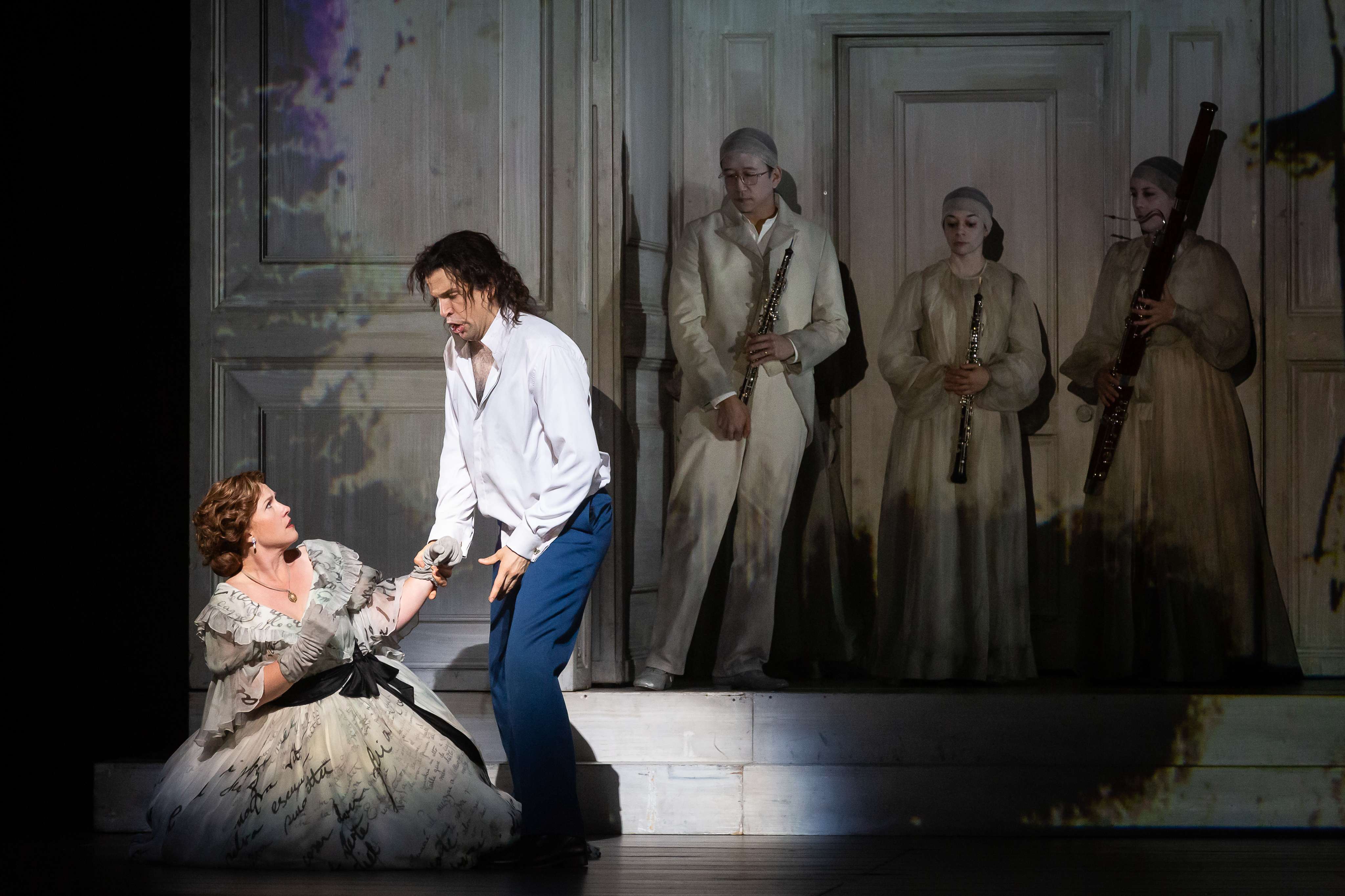
Following the first opera of his maturity, Idomeneo, composed for Munich when he was 24 (though it was his 12th opera), Mozart became obsessed with the opera. Those that followed Idomeneo remain unmatched in the depth of their humanity, humor, and beauty: The Abduction from the Seraglio, The Marriage of Figaro, Don Giovanni, Così fan tutte, The Magic Flute, and La clemenza di Tito. Each opera has several important instances of enlightened transcendence, frozen moments of enriching beauty, that makes it indispensable to the repertoire.
One of those sublime moments is in The Magic Flute, coming just before the trials of fire and water, the ‘Tones Macht’ scene, in which the power of music is summoned as a force for good in the world—in music of such perfection that one can scarcely believe what one is hearing, even all of these centuries later.
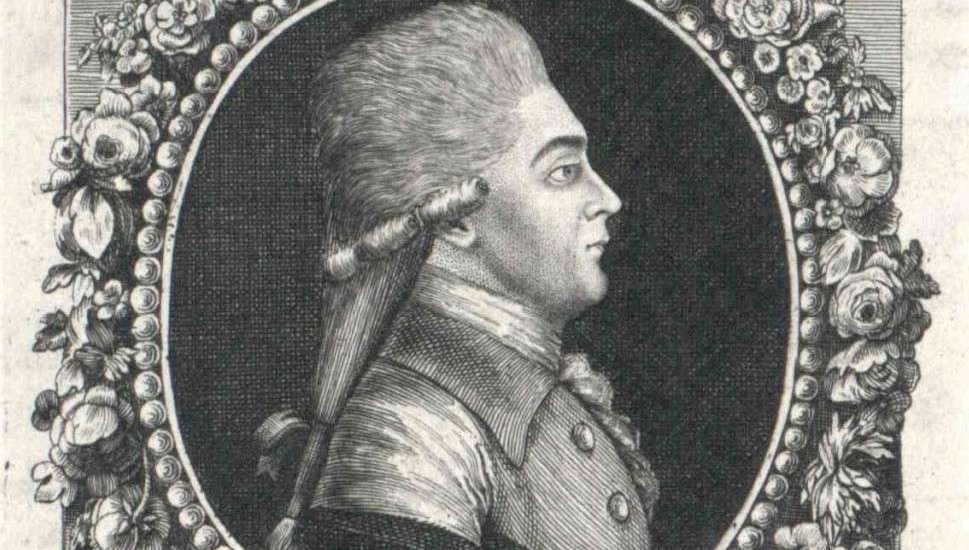
The librettist of The Magic Flute, the enterprising impresario Emanuel Schikaneder, first met Mozart in the early 1780s. Schikaneder, also the first performer of Papageno, was a well-regarded actor; even before they met, Mozart saw him perform as Shakespeare’s Hamlet and Richard III (what a pity he wasn’t moved to write operatic adaptations of both!). Schikaneder ran a number of Viennese theaters, including as season at the Kärntnertortheater, which fortuitously opened with a production of Mozart’s Abduction from the Seraglio. It was because of a proposed production in the Kärntnertortheater that Emperor Joseph II decided to ban a subversive French play that would eventually become important in Mozart’s life, Beaumarchais’s The Marriage of Figaro.
As head of the suburban Viennese theater, the Theater auf der Wieden, Schikaneder commissioned Mozart to write The Magic Flute in 1791. It was more closely related to a commercial musical like Show Boat than to any of Mozart’s other operas. Mozart’s final year, though he obviously didn’t know that, was a time of remarkable compositions: the Piano Concerto no. 27 in B-flat and the sublime Clarinet Concerto—the first major concerto for that relatively new instrument.
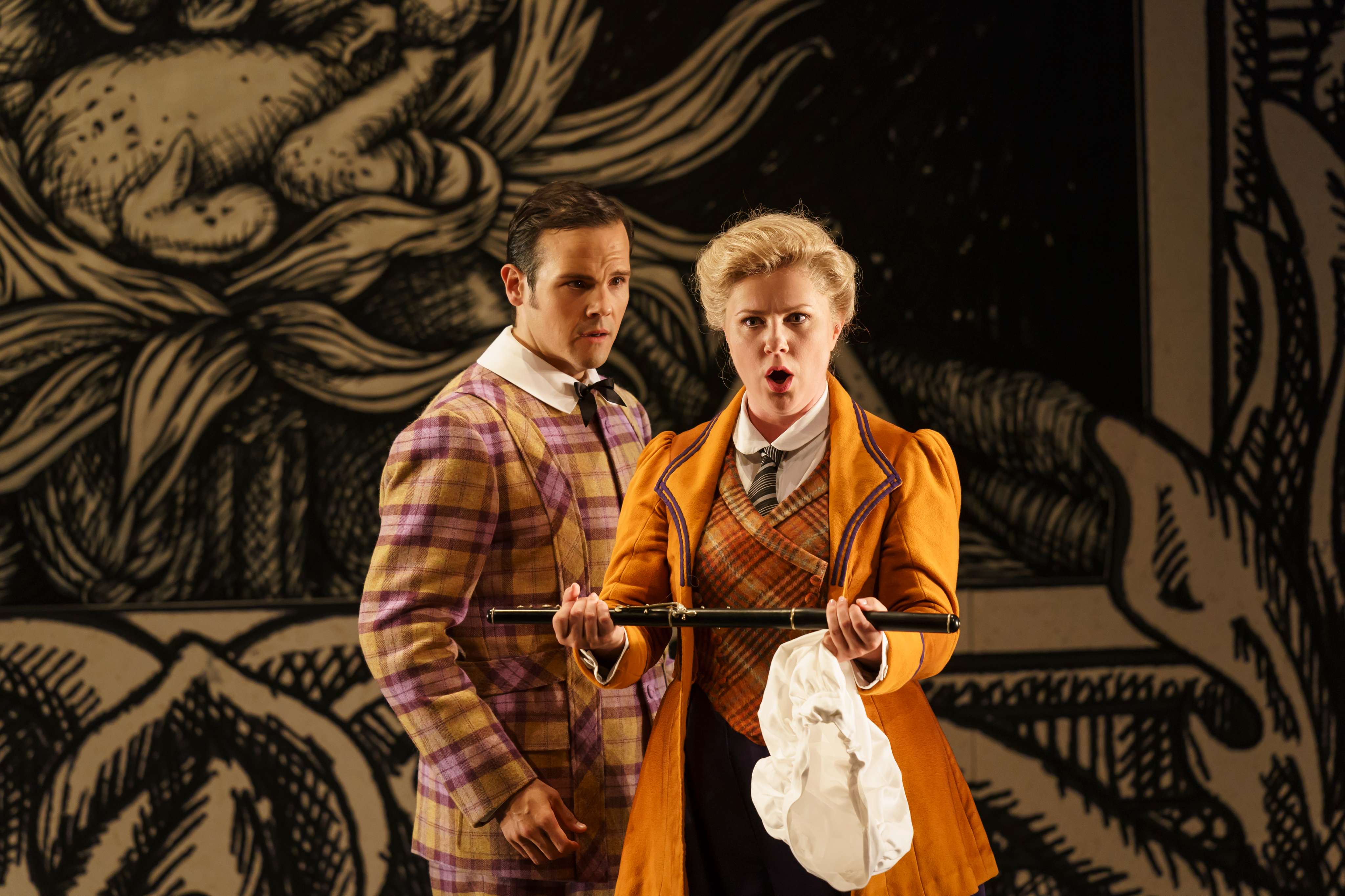
As one would expect, the title character of The Magic Flute reigns supreme in the score, and the original Tamino, Benedikt Schack, is said to have played the solo flute himself—a feat which, if true, has not been equaled. In addition to a magic flute, Mozart’s final opera has magic bells, played on a keyboard glockenspiel. One of Mozart’s last public appearances was playing those bells, making them especially poignant in any performance of The Magic Flute.
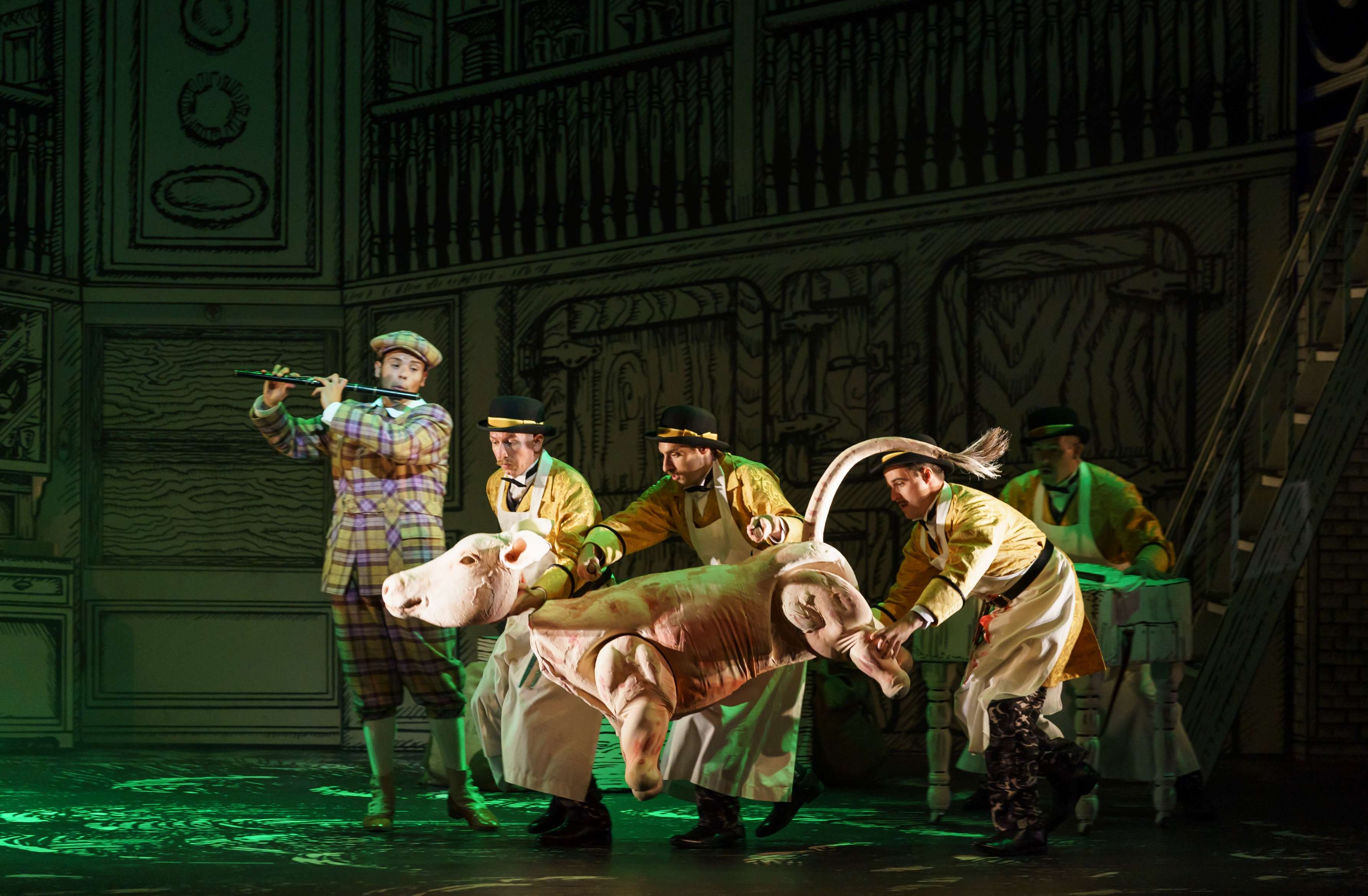
Much has been made of the weaving of the number three throughout The Magic Flute, and the importance of three, given the three theological virtues of Masonry: faith, hope, and charity. The Magic Flute extends this idea to music, with its three opening chords in E-flat major, the key of three flats, and the three ladies and three boys, each of whom make three appearances. There are also three trials, three doors, three slaves, and three major plot strands.
But the significance of three is not only Masonic; the French Revolution was fought for a famous tripartite of civic virtues: liberté, egalité, fraternité. Christians pray to a trinity of Father, Son, and Holy Spirit, and Buddhists seek the threefold path: Sila (ethics), Samadhi (meditation), and Prajna (wisdom). Even the founding documents of the United States enshrine a trio of ideas: life, liberty, and the pursuit of happiness.
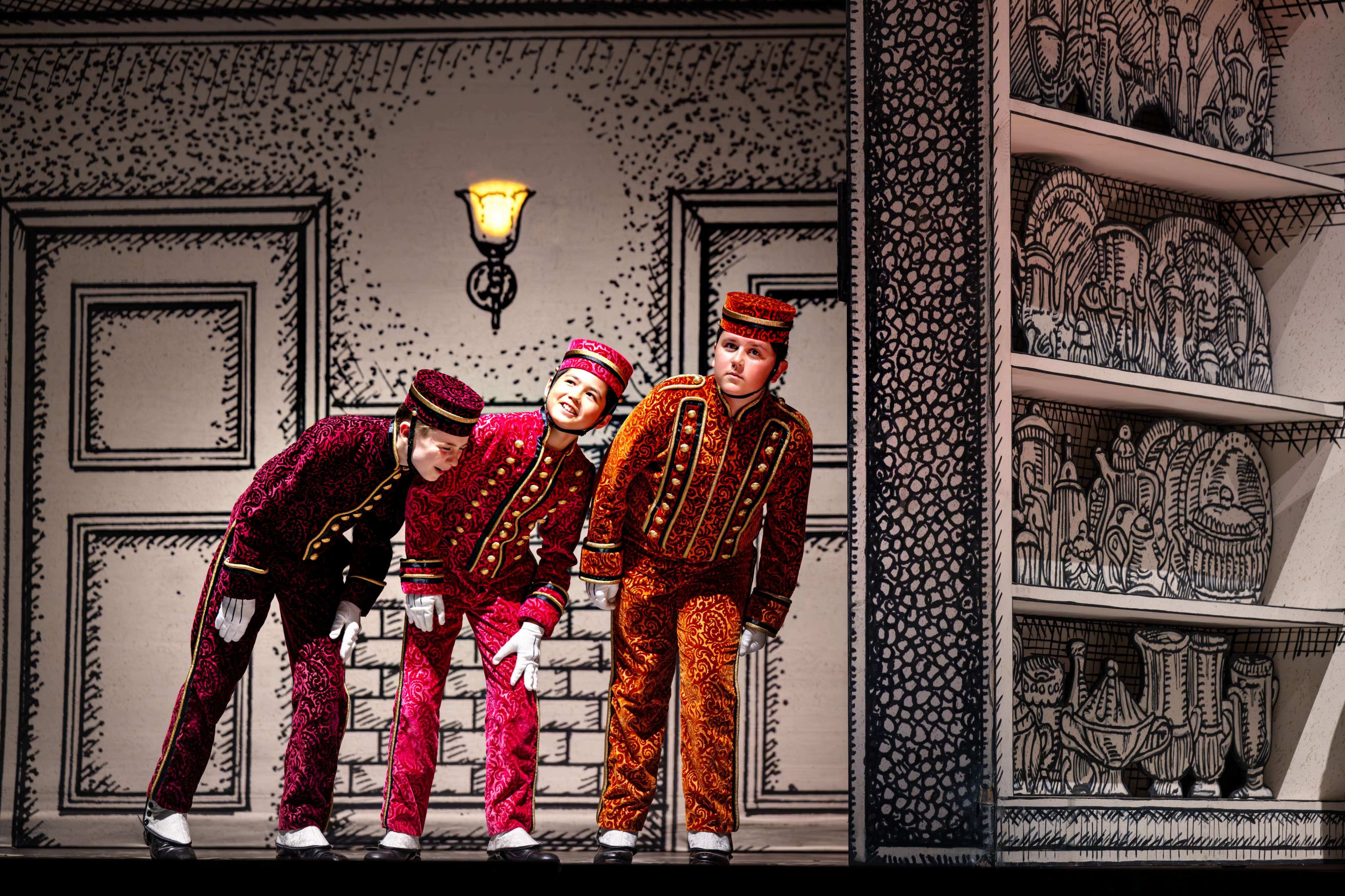
Peter Shaffer’s wonderful play Amadeus and Miloš Forman’s amazing 1984 film adaptation created our contemporary view of Wolfgang Amadeus Mozart. A rivalry between Salieri and Mozart had been dramatized before, in Alexander Pushkin’s 1830 play Mozart and Salieri, in which Salieri kills Mozart, and Rimsky-Korsakov composed a lovely opera on his compatriot’s fictional story. The rivalry between two composers was irresistible for drama, and Shaffer’s own radiant mind makes the characters so real that we want the story to be true. Salieri and Mozart were rivals in a world totally dependent on the largesse of a monarch’s court, but they were more than likely to have been friendly with each other.
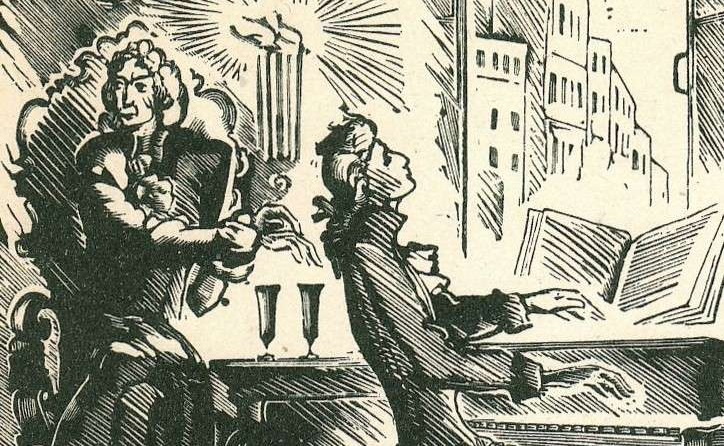
Goethe, the author of the play Faust on which Gounod’s opera is based, so adored The Magic Flute that he sketched a libretto for a sequel, but could not find a composer willing to take it on. Schikaneder also wrote a sequel, called The Labyrinth, which was set to music by Peter von Winter and enjoyed some success after Mozart’s death.
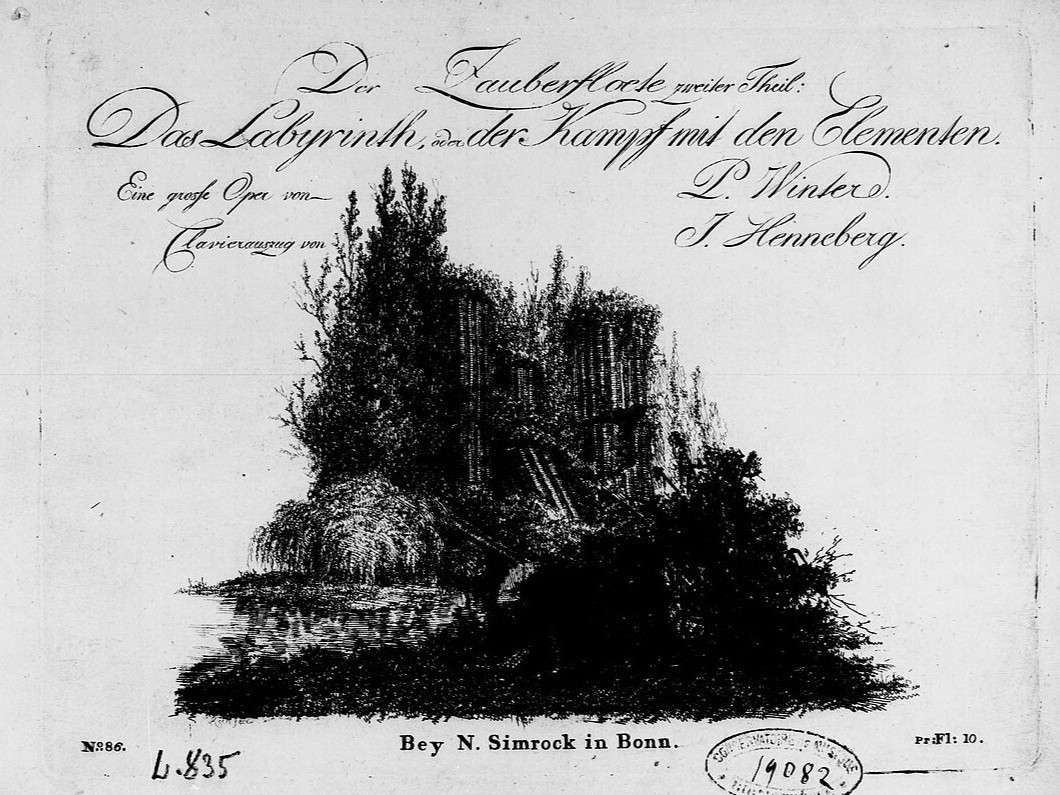
Was The Magic Flute influenced by Shakespeare’s The Tempest? Knowing what ardent Shakespeareans Mozart and Schikaneder were, it is tempting to contemplate: Sarastro as Prospero, Sycorax as the Queen of the Night, Monostatos as Caliban, and the three boys filling in for Ariel. In The Tempest, Ferdinand and Miranda have to endure trials, “lest too light winning make the prize light.” Actually, The Magic Flute was a reworking of several older fairy tales and novels about initiation rituals, but who knows?
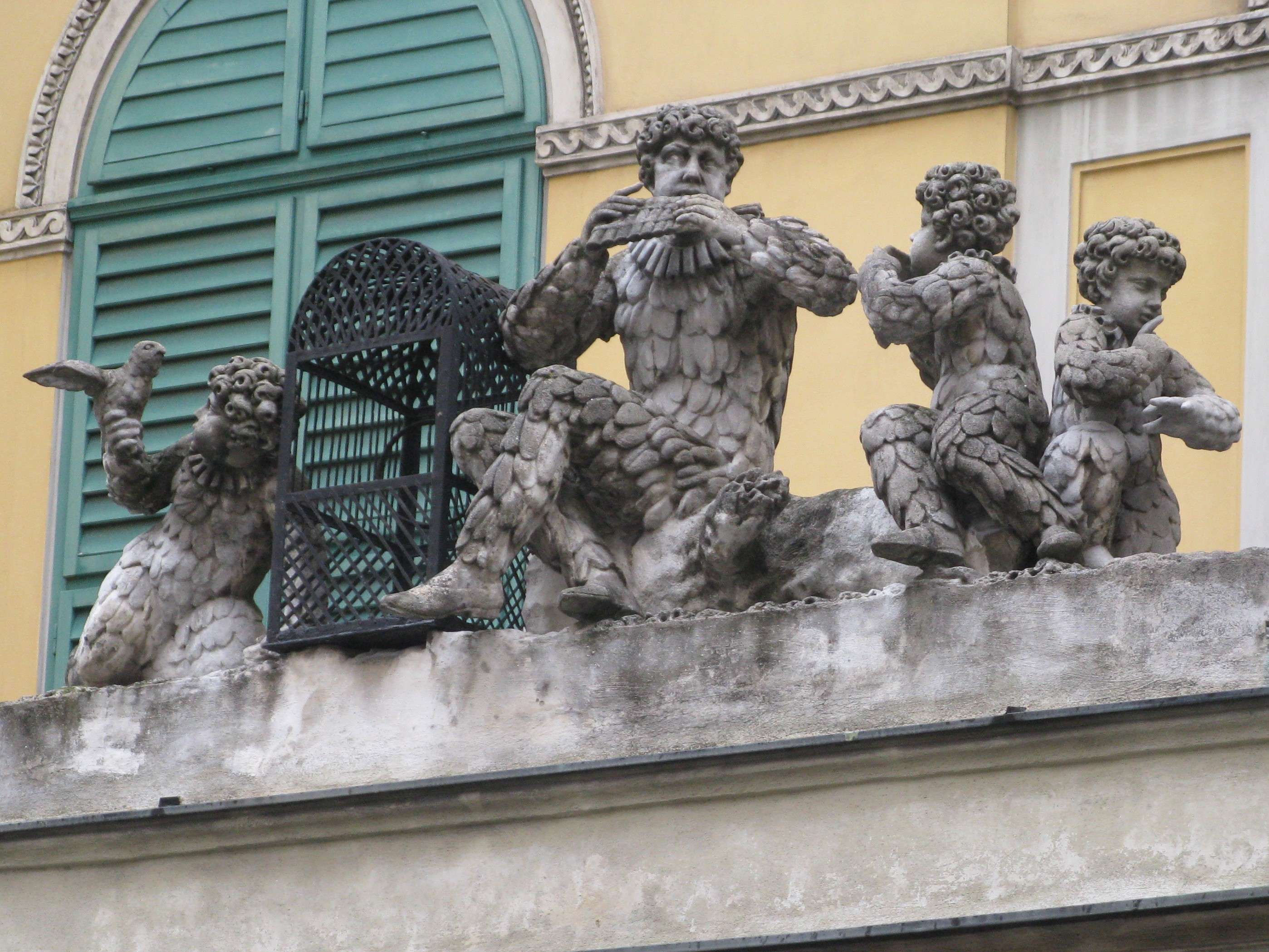
Papageno’s unusual name came from Schikaneder. The German word for parrot is Papagei, so Papageno, the bird man who cannot keep his mouth shut, is perfectly named. If you are visiting Vienna, one of the beautiful sights is the stage entrance of the Theater an der Wien, one of Vienna’s oldest theaters, where above the stage door you see a beautiful carved statue of The Magic Flute, the “Papageno Door,” carved with characters from The Magic Flute. Beethoven would have passed beneath the Papageno Door, since he once lived in an apartment in the theater, one of the 60 known places Beethoven lived in Vienna. (He was apparently not an easy tenant.)
Much is made of Masonic imagery being “hidden” within The Magic Flute, since the rites and rituals of Masonry were, and remain, secretive. But nothing is hidden. Indeed, it is all quite out in the open, especially the trials of fire and water and the voting led by Sarastro. Audiences for opera and spoken theater until the late-19th century in Vienna were overwhelmingly male, an extension of the business day, and many in the opera’s early audiences would have been Masons themselves, so there would have been little need to hide anything.