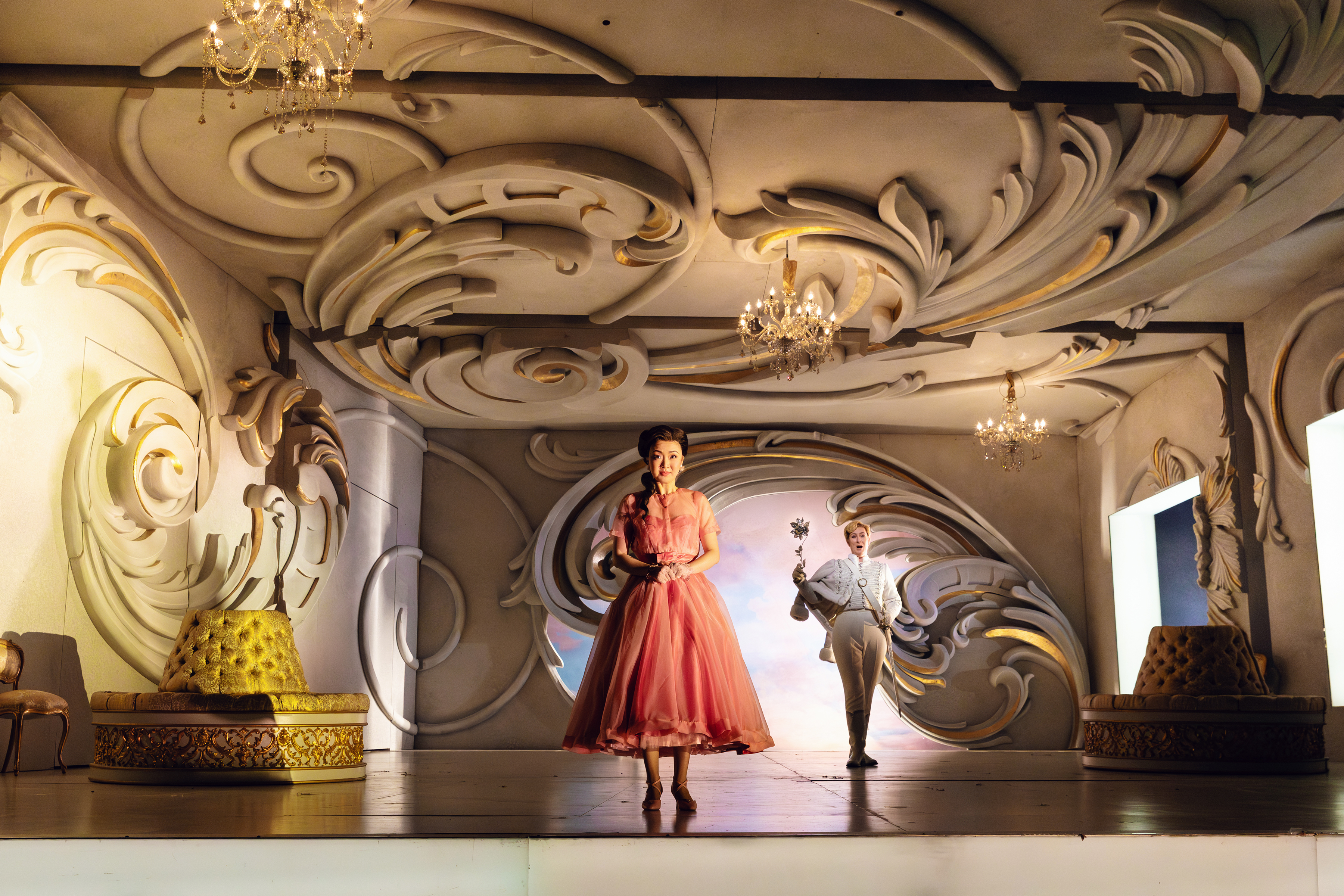
10 Amorous Facts about R. Strauss’s Der Rosenkavalier

The title, Der Rosenkavalier, means “The Bearer of the Rose”—and refers to the hiring of a young male page (think Cherubino) to deliver a marriage proposal to a young girl on behalf of a gentleman of means. Aristocracy and class permeate Der Rosenkavalier, and though the opera is ostensibly a comedy, most of the comic moments are broad and fleeting. Der Rosenkavalier has weighty themes throughout: infidelity, aging, and sexual politics. The bearing of a rose was invented by the opera’s librettist, Hugo von Hofmannsthal, and the silver rose carries its own melancholy symbolism: the rose, so beautiful and open and fragrant, in its transition to becoming silver, loses the qualities that made it a rose; the old and the young are frozen together.
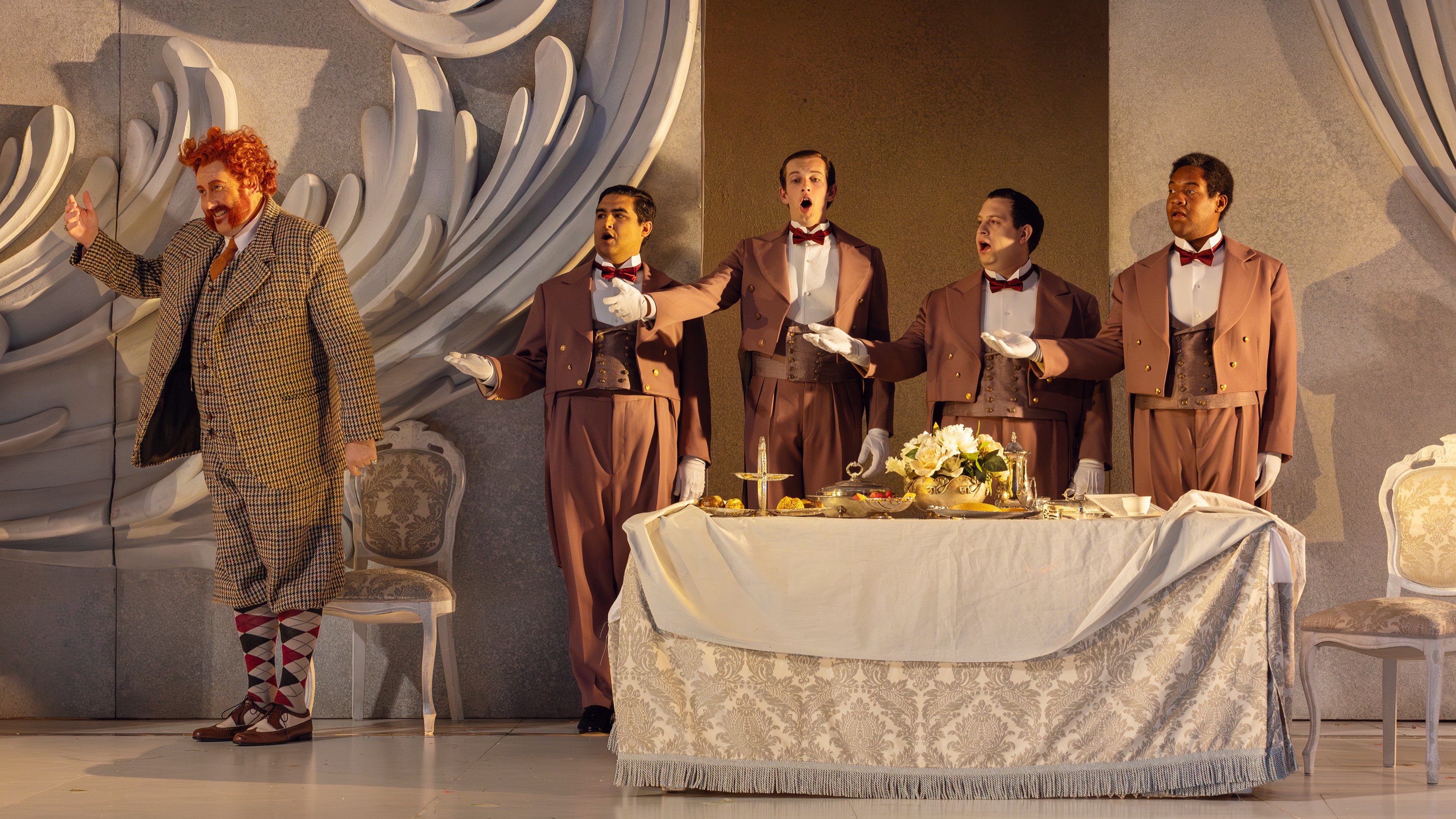
The opera tells of the complex machinations of getting the young lovers Octavian and Sophie together, and distracting the oafish and predatory Baron Ochs from Sophie—a plot that involves disguises and intrigues, women dressed as men, women dressed as men pretending to be women, and all sorts of other intricacies. The plot is a complex tangle, resolved with perhaps the greatest ending of any opera.
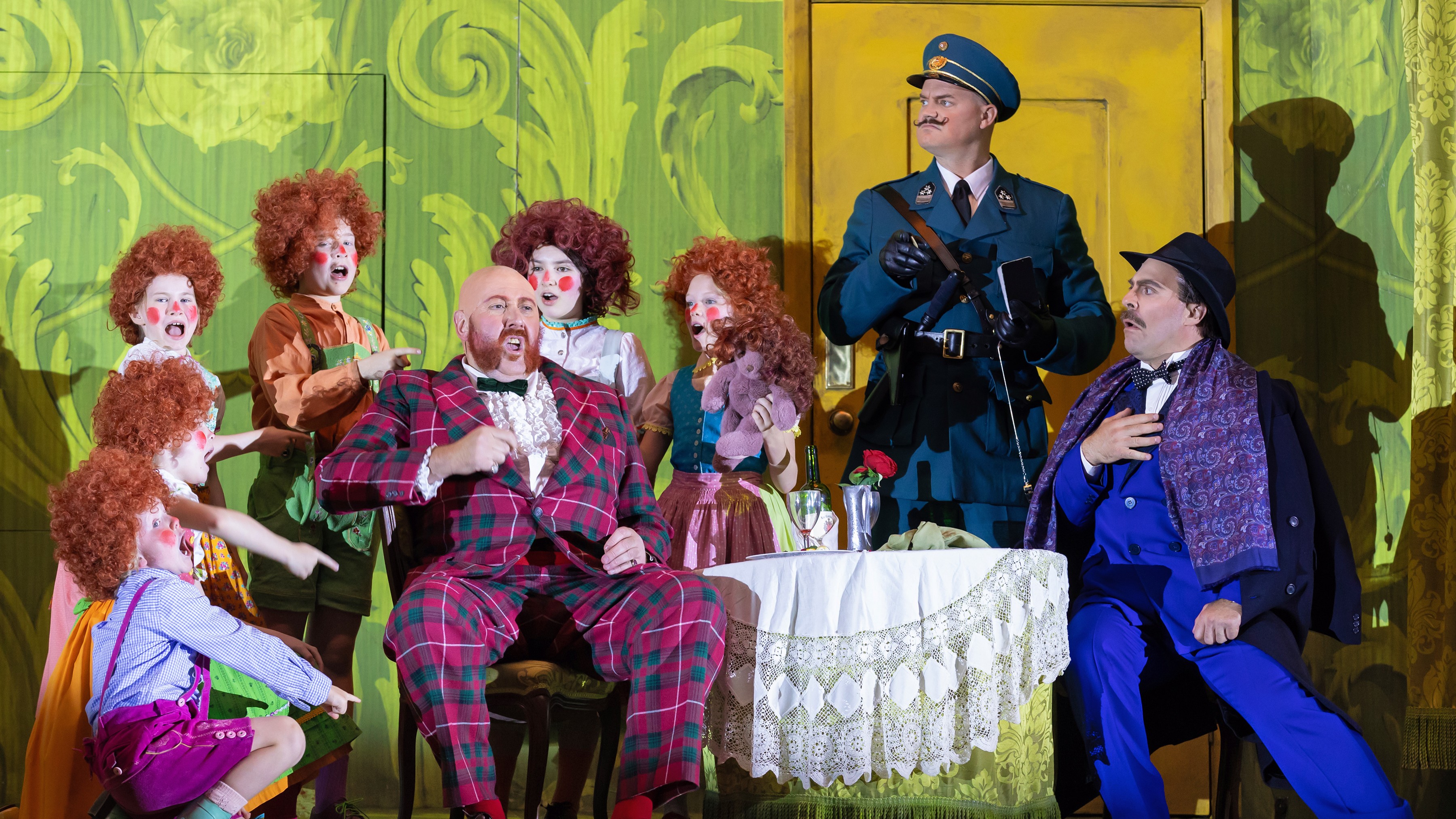
Besides being aurally pornographic in the intimacy it depicts (a night of passionate lovemaking between the Marschallin and Octavian), Der Rosenkavalier’s graphic opening music is also a wry look at Wagner’s Tristan und Isolde. Wagner’s weighty 1865 Tristan und Isolde is easily the most influential opera ever written, most especially for its “Tristan” chord. The “Tristan” chord is in the first full measure of the opera and is a single chord of ambiguous tonality, a chord that lacks any pathway to resolving itself.
Many musicians in the late 19th century thought the “Tristan” chord so stretched tonality that it had nowhere to go—that Wagner had somehow brought an end to Western music. But Richard Strauss, a generation after Wagner, further blew tonality apart with his earlier operas Salome and Elektra, before bringing it back together for Der Rosenkavalier, over and over: Der Rosenkavalier gives waves upon waves of harmonic resolution, and what glorious harmonies they are. There are very few operas with such a wealth of lyricism. Strauss even plays with the Tristan chord in the third act of Der Rosenkavalier, when Octavian pretends to be drunk.
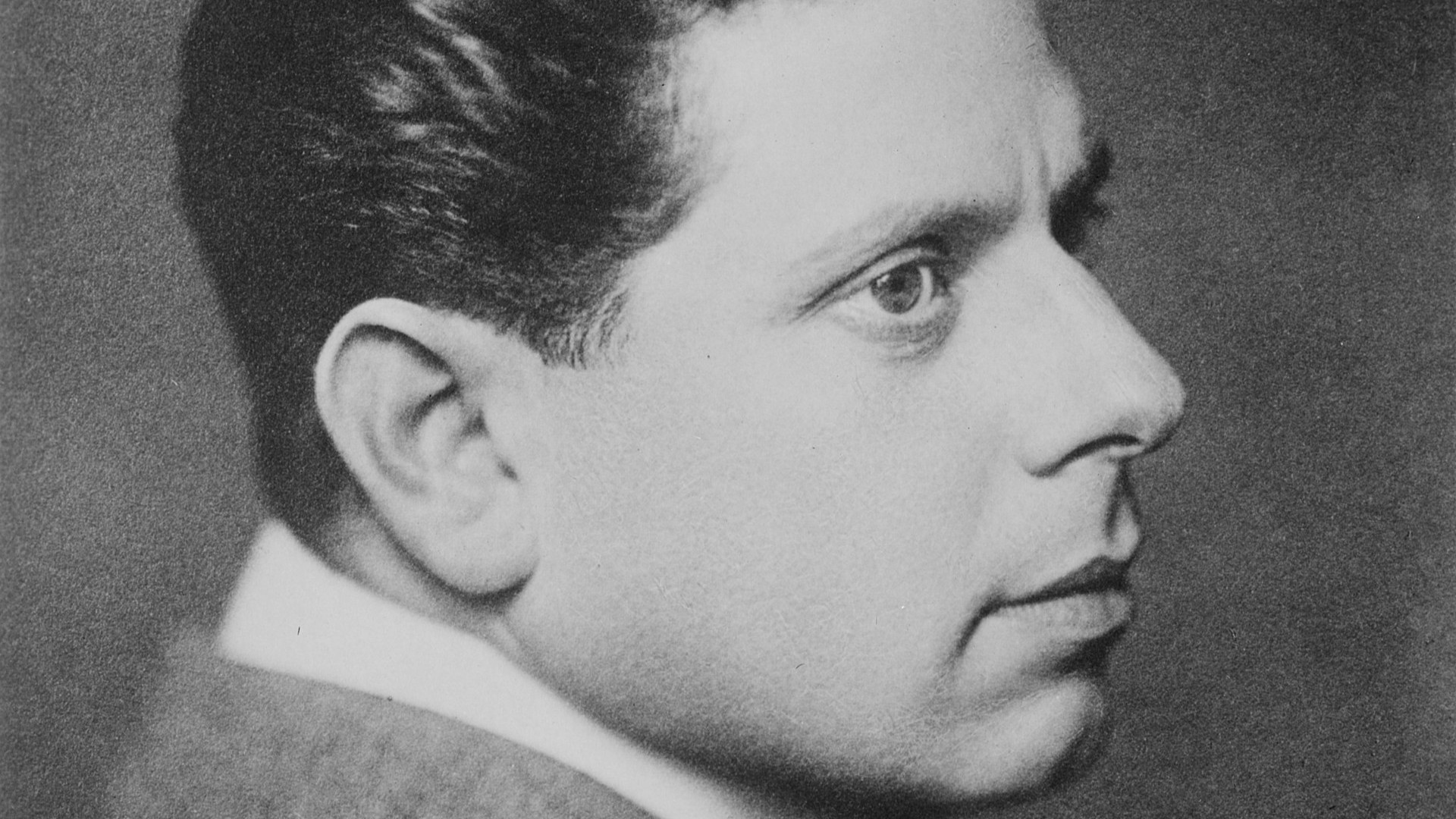
The three major creators of Der Rosenkavalier were chief among the five founders of the Salzburg Festival in 1920: composer Richard Strauss, librettist Hugo von Hofmannsthal, and Austrian director Max Reinhardt, the original director. A play that Reinhardt and Hofmannsthal created in 1911, Jedermann (Everyman), is still performed annually at the Festival. It was Reinhardt’s work that brought Hofmannsthal and Strauss together—a Reinhardt production of the Sophocles play Elektra in Hofmannsthal’s hair-raising version moved Strauss to want to compose his own great operatic version of Elektra.
Fleeing the Third Reich, Max Reinhardt directed one film in the United States, in 1935, but it was a memorable one: A Midsummer Night’s Dream starring James Cagney, Olivia de Havilland, and the 14-year-old Mickey Rooney. Reinhardt’s castle outside of Salzburg was seized by the Nazis in the 1930s and returned to his heirs after WWII, since Reinhardt died in 1943, before the war’s end. The grounds of his castle would later be famous as the home of the von Trapp family in the 1965 film of Rodgers and Hammerstein’s The Sound of Music.
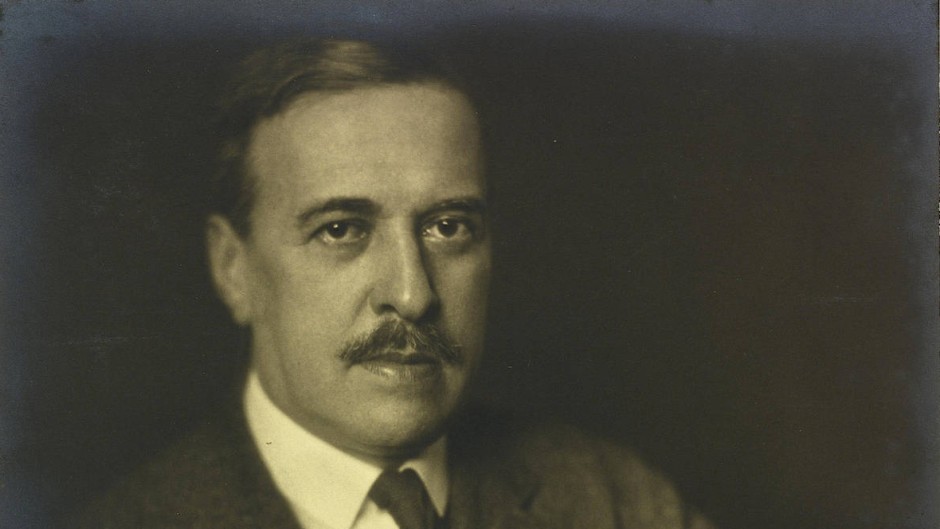
Hugo von Hofmannsthal wrote libretti for six of Strauss’s operas, each of them of intricate linguistic complexity. Besides Der Rosenkavalier, there were two versions of Ariadne auf Naxos, then Die Frau ohne Schatten (The Woman without a Shadow), Die ägyptische Helena (The Egyptian Helen), and Arabella. The partnership between Hofmannsthal and Strauss was unique in opera’s history, often likened to the three operas Mozart composed with librettist Lorenzo da Ponte. Both da Ponte and Hofmannsthal achieved a great feat: their words inspired Mozart and Strauss to their greatest operatic music. Hofmannsthal died young, at age 55, in 1929, suffering a stroke as he was dressing to attend his own son’s funeral.
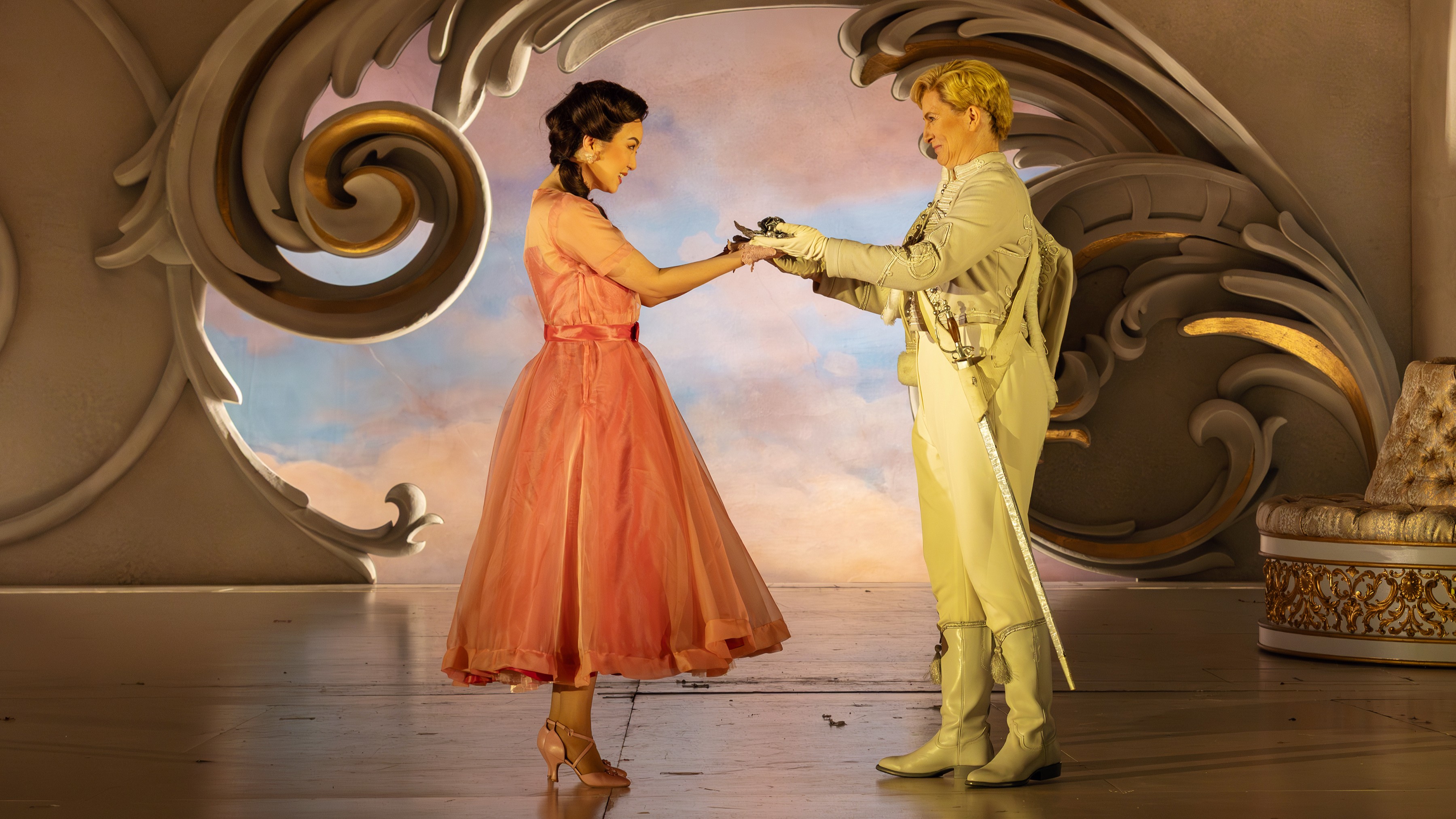
One moment among hundreds to listen for in Der Rosenkavalier is when Sophie smells the scented oil of the silver rose in the glorious second-act “Presentation of the Rose” scene. She sings the text, “Wie himmlische, nicht irdische” (“it smells like it comes from heaven and not the earth”), and the musical line soars heavenward. Just a few moments later, Sophie repeats the word “heaven,” and Strauss extends it, making the word “Himmel” last for about as long as a human voice could possibly hold it. Listen to that long, youthful, exuberant high note.
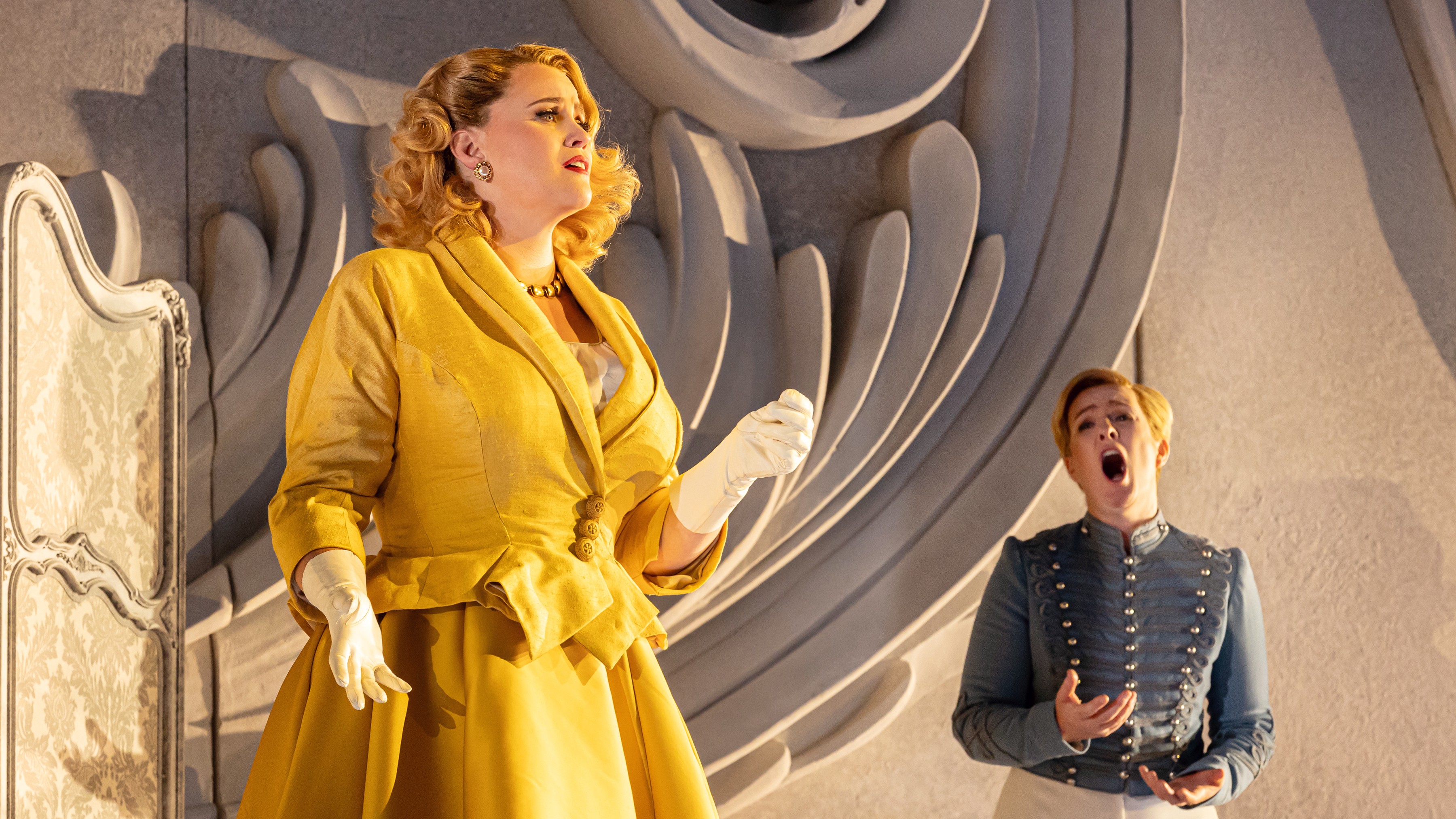
Der Rosenkavalier is a dramatic homage to The Marriage of Figaro—and Strauss’s vastly larger opera, Die Frau ohne Schatten, pays tribute to The Magic Flute. The title character of Der Rosenkavalier, Octavian, also changed the way Cherubino in The Marriage of Figaro was cast, which in all of the earliest history of the opera was the highest and lightest of the Figaro female voices. Because of Der Rosenkavalier’s mammoth orchestra, Octavian had to be sung by a heavier, usually mezzo-soprano, voice, and conductors and impresarios began to link the two roles, leaving Cherubino to be cast in the last century as a heavier-voiced mezzo-soprano.
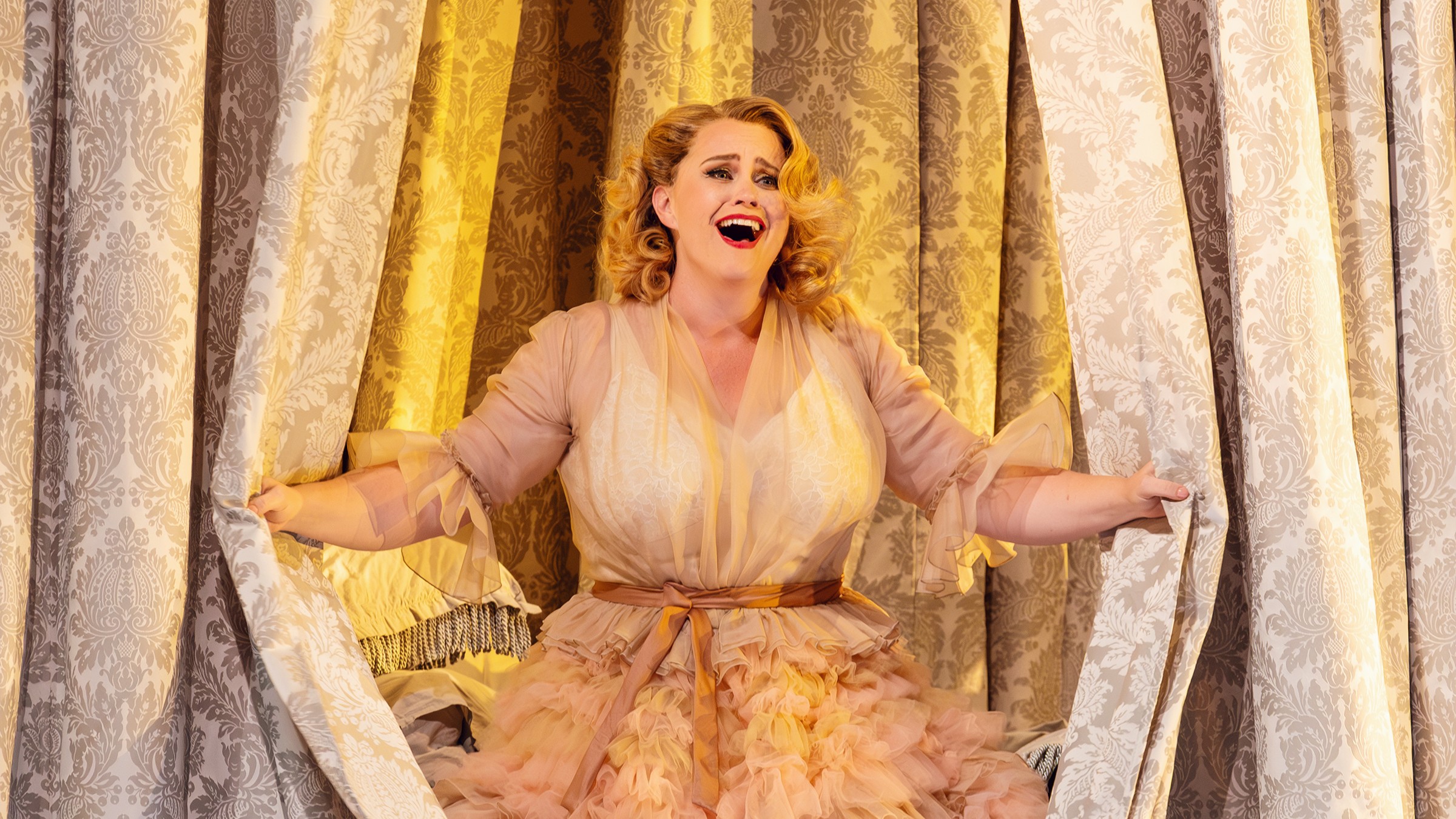
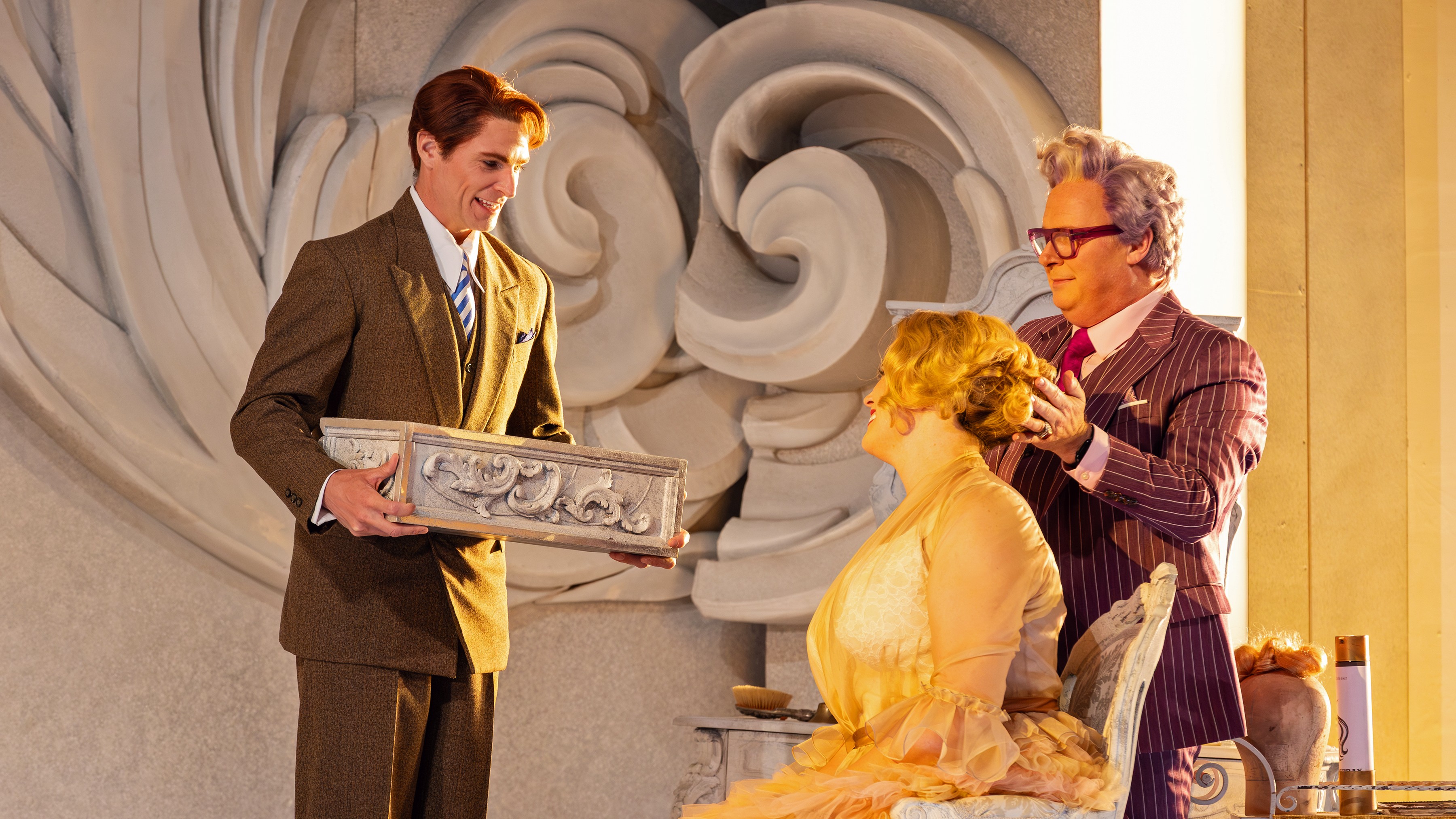
The Act I levée of the Marschallin, the morning presentation of various gifts to her, was inspired by a 1744 painting by William Hogarth—but in the opera the gifts can all be heard, the most obvious being an Italian tenor and the virtuosic flautist who accompanies him. There are three mourning orphans, hoping for money, as well as their mother, but their music gives them away as aristocrats down on their luck. If it is possible to orchestrate hair, Strauss was the man for the job—he creates the character of a hairdresser for us in sound. There is also an animal trainer who offers monkeys and parrots, both of which we hear in Strauss’s orchestra, and he also offers a dog, “small and house-trained,” as the orchestra tells us that the dog is most definitely not ready to be indoors
It is a slight misnomer to say that Der Rosenkavalier is “in German.” In fact, the complex libretto utilizes many dialects of German, with the various classes of Viennese society speaking in different ways. We hear a lot of the Wienerisch accent, but also an aria in Italian and many smatterings of French. The intricate but subtle dialect jokes within Der Rosenkavalier are sometimes lost even on German speakers, much as some of Lorenzo da Ponte’s double or triple entendres within The Marriage of Figaro and especially Così fan tutte can sometimes go unnoticed. All of these operas, especially the ravishing score and complex plot of Der Rosenkavalier, can be fully enjoyed without knowing a word of German, but it is a linguistic tour-de-force.
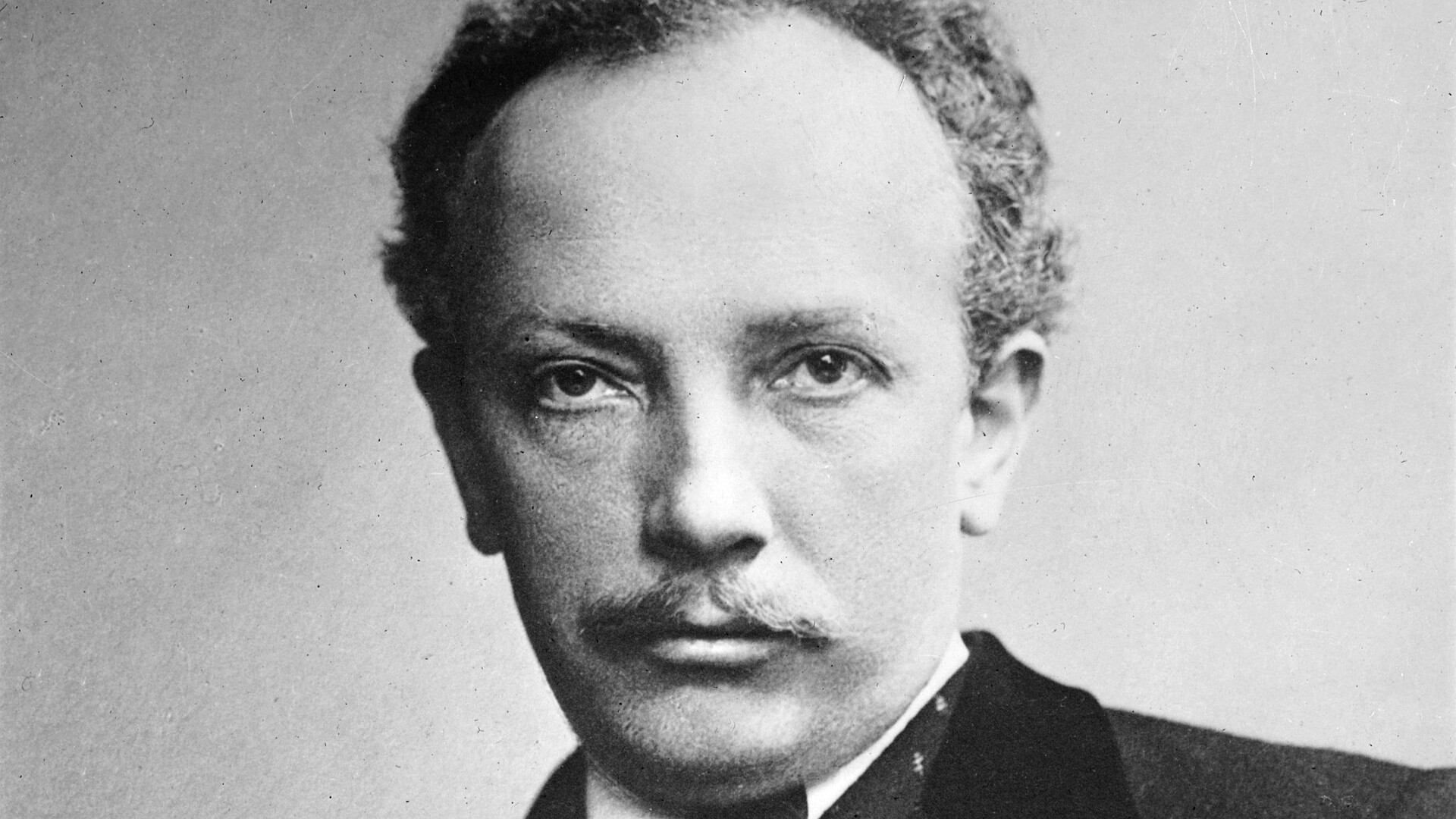
When the allied forces liberated Austria in April of 1945, they pulled up in tanks to the Strauss villa in Garmisch, in the Bavarian Alps, intending to commandeer his home for shelter. He declared himself a peaceful man and said, “I am the composer of Der Rosenkavalier and Salome,” to which one of the soldiers responded by humming the great waltz that closes the opera’s second act.
Strauss invited them in, fed them, and the allied forces protected the estate for the remainder of the summer. Strauss had an uneasy and complicated relationship with the officials of the Third Reich, but was cleared of wrongdoing at war’s end. Every long life looks back on several different worlds, but of all of the composers, the changes Richard Strauss witnessed were staggering. His earliest compositionswere in the height of belle époque Europe; of powerful empires run from Vienna, Paris, and London, on endless expansion, on enormous orchestras and burgeoning ideas. Then the wars came, and everything he knew disappeared. The enfant terrible Strauss who composed Elektra and Salome did not keep innovating; his compositions as he aged got progressively more nostalgic, as though he wanted to preserve something too precious to be lost.
The ending of Der Rosenkavalier is loaded with musical and extra-musical meaning. Der Rosenkavalier premiered in 1911, just a few years before the long-simmering powder keg of WWI exploded with the murder of the Archduke Ferdinand, the last of a long line of Austrian monarchs stretching back to the time depicted in Strauss’s opera.
In the epic final moments of Der Rosenkavalier, following the time-stopping trio (surely opera’s greatest moment of sonic opulence), we find ourselves alone with the young lovers Sophie and Octavian—and their brief duet quotes music, not words, from Mozart’s The Magic Flute, sung by Papageno and Pamina in the finale of Act I, praising the power of music to conquer all trials.
How profoundly the world changed after Der Rosenkavalier, in ways no one could have known, but how beautifully Strauss captured in music the most precious feeling in life, that we are exactly where we are meant to be. Sophie, the picture of youthful innocence, sings these words to Mozart’s borrowed music, bringing this transcendent opera to a close:
Ist ein Traum, kann nicht wirklich sein,
daß wir zwei beieinander sein,
beieinand’ für alle Zeit
und Ewigkeit!
(It is a dream, it cannot be real
that we two are together,
together for all time
and all eternity!)